

Chevrolet K1500 Oxygen Sensor Guide for 1988-1999 Models
Fix poor fuel economy and rough idling by choosing the right oxygen sensor for your classic Chevy truck.
- Confirm your truck's year to determine if you need an OBD-I (pre-1996) or OBD-II (1996+) sensor.
- For 1996+ models, specify if you need an upstream (fuel control) or downstream (cat monitor) sensor.
- Denso and NGK/NTK are highly-rated aftermarket brands that offer OEM-level quality for this truck.
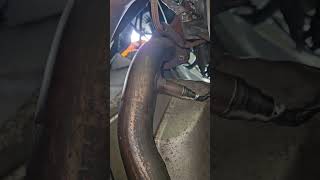
- Use a special O2 sensor socket and plenty of penetrating oil, as the old sensor is likely seized in the exhaust.
Understanding Your K1500's Oxygen Sensors

The oxygen sensor is a key component for keeping your 1988-1999 Chevrolet K1500 running smoothly. When it fails, you'll notice a drop in performance and fuel efficiency. This guide will help you understand the symptoms of a bad sensor, how to choose the right aftermarket replacement, and what to expect during the replacement process.
OBD-I vs. OBD-II: A Critical Difference
The most important factor when buying an O2 sensor for your K1500 is the model year, which determines its onboard diagnostic system.
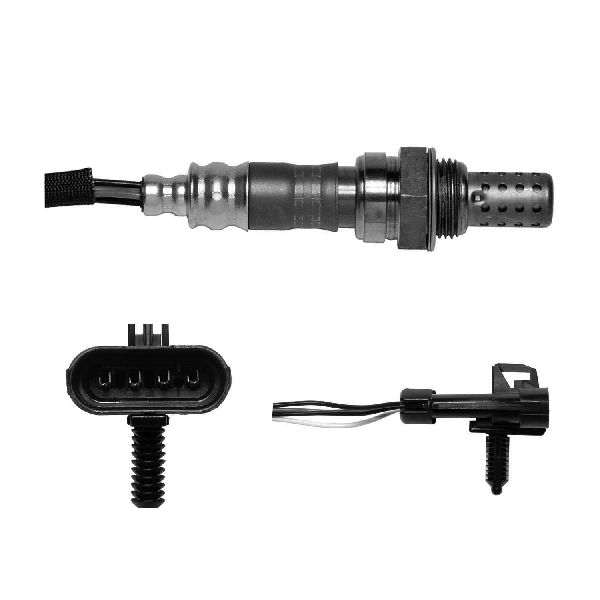
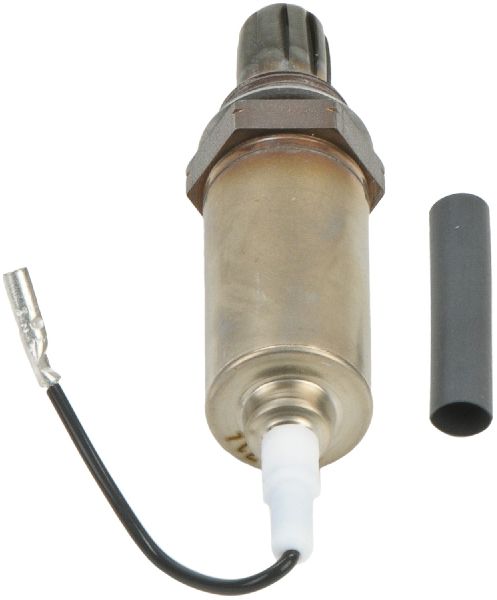
- 1988-1995 (OBD-I): These trucks typically have only one oxygen sensor. It is usually a 1-wire or 3-wire heated sensor located in the exhaust pipe before the catalytic converter.
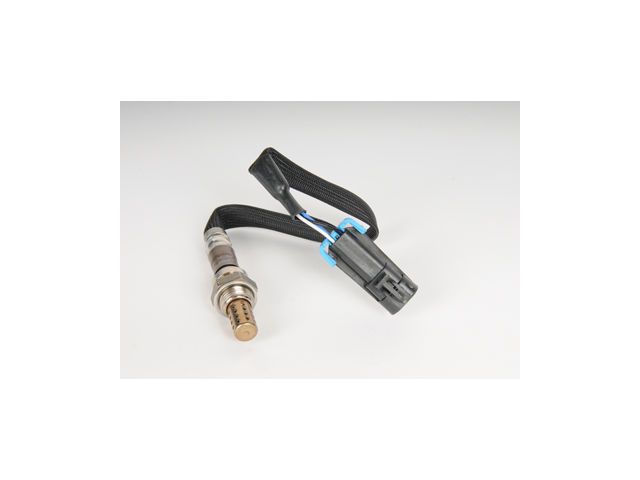
- 1996-1999 (OBD-II): These trucks have a more complex system with multiple sensors. They usually have four O2 sensors: two "upstream" (before the catalytic converters) and two "downstream" (after the catalytic converters). The upstream sensors are used for fuel control, while the downstream sensors monitor the efficiency of the catalytic converters.
Choosing the Right Aftermarket Oxygen Sensor Brand

While ACDelco is the original equipment (OE) manufacturer for GM, several aftermarket brands offer excellent quality, often at a better price. Forum discussions among truck owners show a clear preference for certain brands.
Tier 1: OEM & OEM-Equivalent
- ACDelco: The original part. You can't go wrong with it, but it's often the most expensive option. Many owners feel it's worth the price for guaranteed compatibility.
- Denso & NGK (NTK): These brands are widely considered to be OEM-equivalent and are highly recommended by K1500 owners. They often manufacture the parts for ACDelco. They provide excellent performance and reliability at a lower cost than dealer parts.
Tier 2: Quality Aftermarket
- Bosch: A very popular and widely available brand. However, owner experiences can be mixed; some have great success while others report premature failures compared to Denso or ACDelco. It's a viable option, especially if readily available.
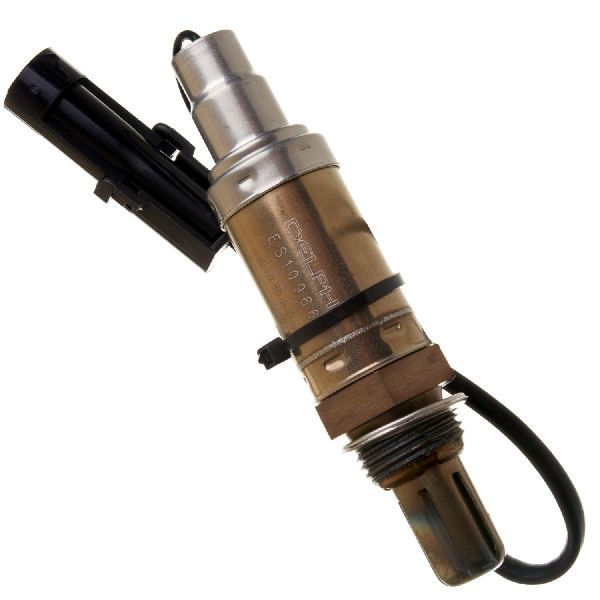
- Delphi: Another established brand that supplies many automakers. Delphi sensors are generally considered reliable replacements.
Tier 3: Budget Options
- Walker Products, Spectra, DriveWire: These brands offer sensors at a lower price point. While they can be a good value, they may not have the same longevity or precise calibration as the higher-tiered brands. They are best considered for budget-conscious repairs where top-level performance is not the primary concern.
Known Issues, Recalls, and Service Bulletins

No specific recalls or widespread Technical Service Bulletins (TSBs) for oxygen sensor failure were found for the 1988-1999 Chevrolet K1500 during research on the NHTSA database. Most issues are related to normal wear and tear after decades of service. The most common problem reported by owners is the sensor becoming seized in the exhaust pipe, making removal difficult.
| Brand Tier | Example Brands | Estimated Price Range (per sensor) |
|---|---|---|
| OEM-Equivalent | Denso, NGK/NTK | $45 - $80 |
| Quality Aftermarket | Bosch, Delphi | $35 - $70 |
| Budget | Walker, Spectra, DriveWire | $28 - $50 |
Frequently Asked Questions

How many O2 sensors does my K1500 have?
It depends on the year. 1988-1995 models typically have one sensor. 1996-1999 models usually have four sensors (two upstream, two downstream).
What tools do I need to replace an O2 sensor?
You will need a special oxygen sensor socket, which is a deep socket with a slot cut out for the wire. You'll also want a ratchet, a breaker bar for extra leverage, and a generous amount of penetrating oil to help loosen the old, rusted sensor.
🎬 Follow this step-by-step guide to replacing your K1500 oxygen sensor.Should I replace all the sensors at once on my 1996+ truck?
While not strictly necessary, it's often recommended. O2 sensors have a similar lifespan, so if one has failed, the others may not be far behind. Replacing them in pairs (both upstream or both downstream) or all at once can save you future labor and ensure balanced engine performance.
What happens if I don't replace a bad O2 sensor?
You can still drive the truck, but you'll experience poor fuel economy, a rough idle, and failed emissions tests. Over time, running with a bad sensor can cause unburned fuel to overheat and damage the catalytic converter, which is a much more expensive repair.
Helpful Videos

Technical Specifications
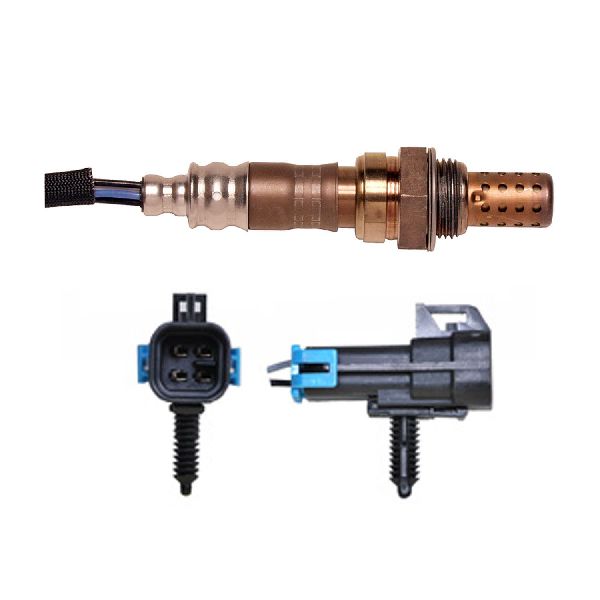
Varies by year and location. Pre-1996 models use 1-wire or 3-wire sensors. 1996+ models use 4-wire heated sensors. Thread size is typically M18x1.5.
We Have This Part in Stock


The information in this article is provided for general reference and educational purposes only. Vehicle specifications, procedures, and part compatibility can vary by production date, trim level, and region. Always consult your vehicle's factory service manual and verify part numbers before purchasing or performing repairs. Safety-critical components such as airbags, seat belts, and braking systems should be installed by a qualified professional.
- Chevrolet K1500: