

Toyota Celica A/C Compressor Replacement Guide (1988-1998)
Everything you need to know to get cold air blowing in your 4th, 5th, or 6th generation Celica again.
- Verify if your Celica uses the older R12 or modern R134a refrigerant before buying parts.
- For best results and warranty coverage, always replace the receiver/drier and expansion valve with the compressor.
- Denso is the original manufacturer and offers the highest quality replacement for long-term reliability.
- This is not a DIY job for most people because it requires specialized equipment to safely handle and recharge the A/C refrigerant.
Is Your Celica's A/C Blowing Hot Air?
When the A/C in a classic 1988-1998 Toyota Celica stops working, the compressor is a common suspect. A failing compressor can't circulate refrigerant properly, leaving you with warm air on a hot day. Recognizing the signs of failure can help you diagnose the problem correctly.
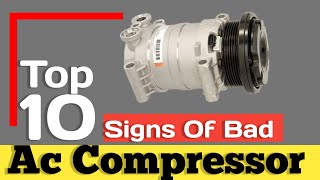
🎬 Watch: 6 common symptoms of a failing A/C compressor.Common Failure Symptoms
- Warm Air: The most obvious sign is air from the vents that isn't cold. If the compressor is weak or has failed, it can't pressurize the refrigerant enough to start the cooling cycle.
- Strange Noises: Grinding, rattling, or squealing sounds when you turn on the A/C point to internal compressor problems, like bad bearings. A seized pulley can also cause a burning rubber smell from the belt.
- Compressor Clutch Not Engaging: The outer part of the compressor pulley should spin with the engine. When you turn on the A/C, the clutch should engage with a "click," making the center part of the compressor spin too. If it doesn't engage, it could be a bad clutch, a lack of refrigerant, or an electrical issue.
- Visible Leaks: The compressor has seals that can fail over time, leading to refrigerant and oil leaks. You might see a greasy residue on the compressor body.
Critical Check: R12 vs. R134a Refrigerant
The 1988-1998 year range spans a major change in A/C systems. Early models (roughly 1988-1992) used R12 refrigerant, which is no longer readily available. Later models (roughly 1993-1998) use the modern R134a standard. If you have an older R12 system, you cannot simply add R134a. A proper conversion (retrofit) is required, which involves replacing the receiver/drier, all the O-rings with R134a-compatible ones (usually green), and using the correct type of oil (PAG or Ester). Always verify which system your Celica has before buying parts.
Choosing the Right Aftermarket A/C Compressor
When replacing the A/C compressor on your Celica, you have several quality tiers to choose from. Since new OEM parts are often discontinued or extremely expensive, a new aftermarket unit is the most common choice.
Tier 1: OEM-Quality Aftermarket
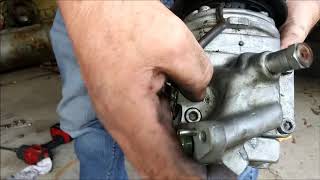
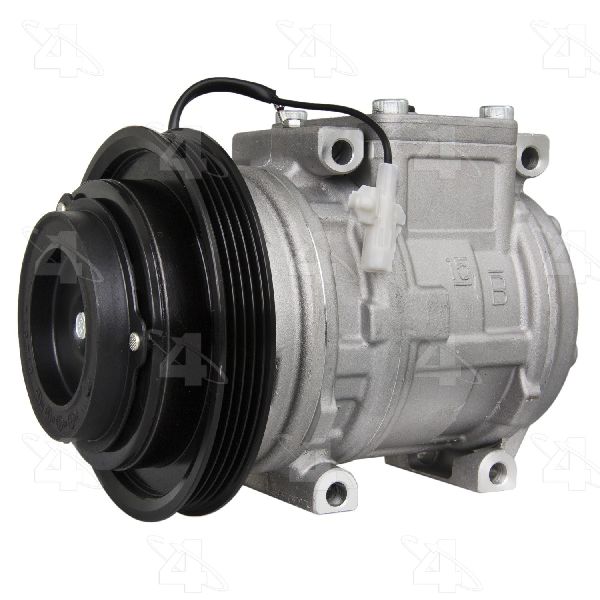
- Denso: Denso was the original equipment manufacturer (OEM) for Toyota during this period. Choosing a new Denso compressor is the closest you can get to the original part that came with your car. 🎬 See a close-up look at a 1990s Toyota compressor. They are known for reliability, quiet operation, and long life. This is the best choice if you plan to keep your Celica for a long time.
Tier 2: Standard Aftermarket Brands
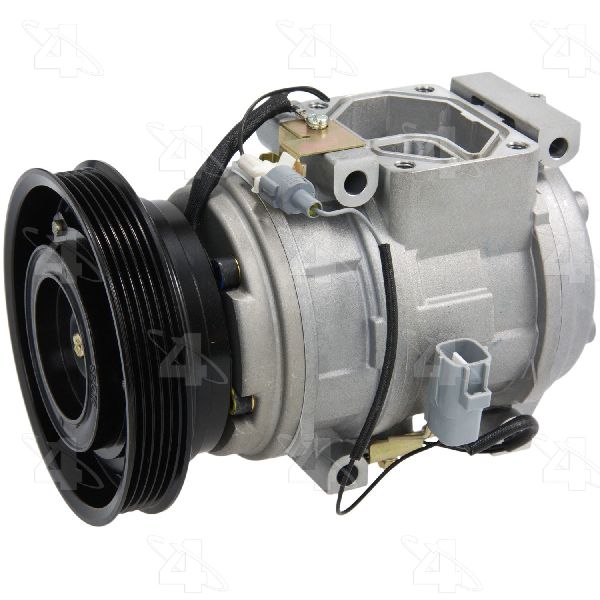
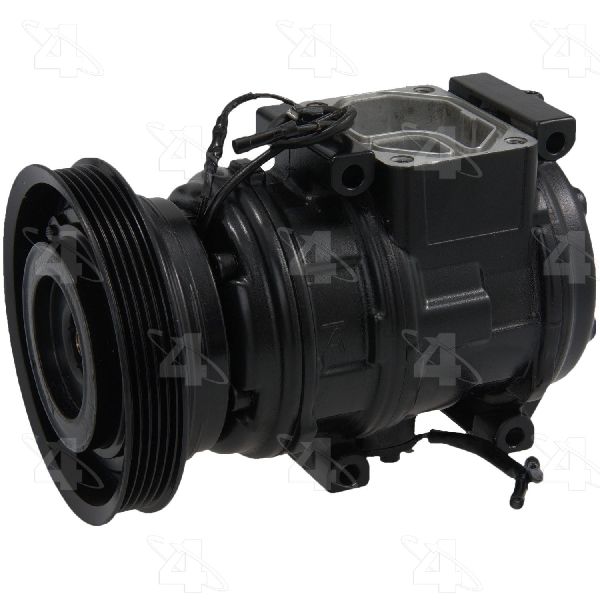
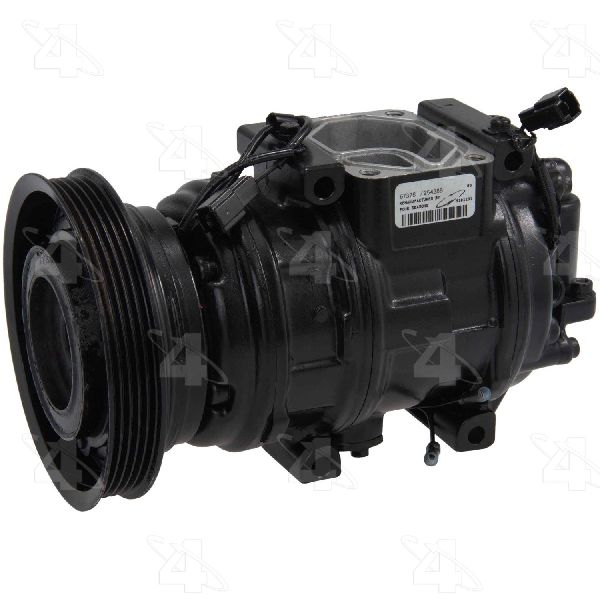
- Four Seasons: A very common aftermarket brand that offers both new and remanufactured compressors. Quality can be a concern with remanufactured units from any brand, so a new unit is often a safer bet.
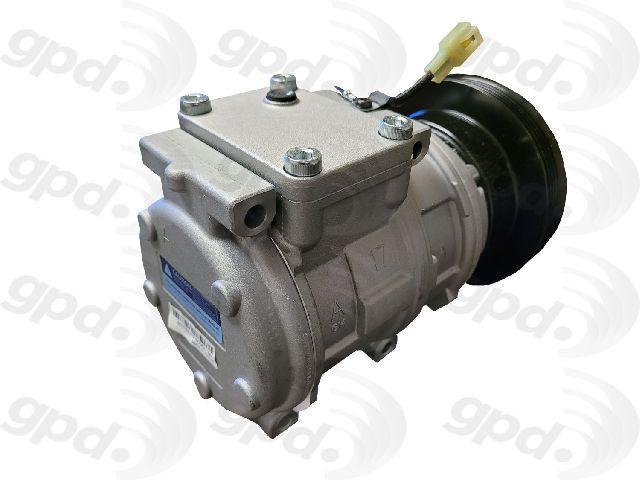
- Global Parts (GPD): GPD offers affordable new compressors that are designed to meet original specifications. While they perform durability testing, some user reviews suggest quality can be inconsistent, with some units failing prematurely.
Always Replace as a Kit
When a compressor fails, it can send metal shavings throughout the A/C system. To prevent these contaminants from destroying your new compressor, you must replace the A/C receiver/drier (also called an accumulator) and the expansion valve at the same time. You should also have the system professionally flushed. Most warranties for new compressors are void if you do not replace these key components.
Cost of Replacing a 1988-1998 Toyota Celica A/C Compressor
The total cost depends on the parts you choose and labor rates in your area. Getting a professional to do the job is highly recommended due to the need for specialized equipment to handle refrigerant.
| Part/Service | Estimated Cost |
|---|---|
| New Aftermarket Compressor | $209 - $694 |
| A/C Drier & Expansion Valve | $40 - $100 |
| Shop Labor & System Recharge | $300 - $550 |
| Total Estimated Cost | $549 - $1344 |
Frequently Asked Questions
Can I replace the A/C compressor myself?
While the physical unbolting and bolting on of the compressor is possible for a skilled DIY mechanic, the A/C system requires specialized vacuum pumps and refrigerant charging equipment. It is illegal and harmful to the environment to release refrigerant into the atmosphere. For these reasons, this job is best left to a professional shop.
🎬 Watch: A step-by-step walkthrough of the compressor replacement process.Do I need to add oil to the new compressor?
Most new aftermarket compressors come pre-filled with the correct amount of oil. However, you must always check the instructions included with the part. If you flush the system, you may need to add more oil to account for what was removed from the hoses, condenser, and evaporator.
What is the 'A/C compressor clutch' and can I replace just that?
The clutch is an electromagnet that engages the compressor when you turn the A/C on. Sometimes, only the clutch or its bearing fails. On some models, it is possible to replace just the clutch assembly without opening the refrigerant system, but it can be a difficult job. If the compressor is old or has failed internally, it is always better to replace the entire unit.
My A/C light is flashing. What does that mean?
On some Toyota models of this era, a flashing A/C light indicates that the system has detected a problem and has shut down the compressor to protect it. This is often caused by the compressor speed sensor detecting that the compressor has locked up or is not turning correctly.
Helpful Videos
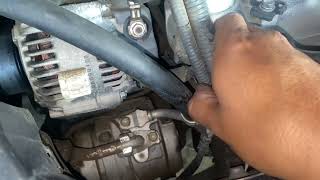
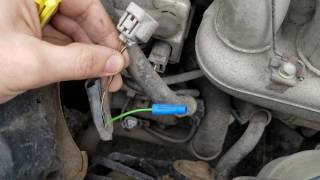
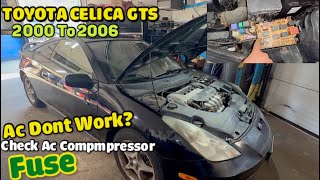
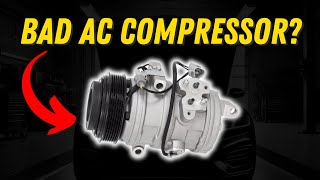
Technical Specifications
OEM Part Numbers: 88320-2B420
Compressor types and refrigerant vary by year. Early models (approx. pre-1993) use R12 refrigerant. Later models use R134a refrigerant. Common compressor models include the 10P (for R12 systems) and 10S series (for R134a systems). Always confirm fitment with your vehicle's specific year and engine.
We Have This Part in Stock

The information in this article is provided for general reference and educational purposes only. Vehicle specifications, procedures, and part compatibility can vary by production date, trim level, and region. Always consult your vehicle's factory service manual and verify part numbers before purchasing or performing repairs. Safety-critical components such as airbags, seat belts, and braking systems should be installed by a qualified professional.
- Toyota Celica: