

Ford FT900 (1988-1998) A/C System Valve Core and Cap Kit Guide
If your Ford FT900's A/C is losing its cool, the problem might be smaller than you think.
- A gradual loss of A/C cooling is the primary symptom of a leaking valve core.
- The service port cap is the primary seal; always ensure it's present and tight.
- Replacement requires professional evacuation and recharging of the A/C system.
- Verify if your truck uses R12 or R134a refrigerant to ensure you get a compatible kit.
Is a Tiny Valve Core Really Causing Your A/C Problems?
When the air conditioning in your 1988-1998 Ford FT900 starts blowing warm, the cause is often a loss of refrigerant. While many assume a major component has failed, the leak can frequently be traced to the A/C service port valve cores or their caps. These parts are exposed to constant vibration and pressure, and the rubber seals can degrade over time, leading to slow leaks that eventually empty the system. Finding oily residue around the A/C service port caps is a strong sign of a leak in this area.
R12 vs. R134a Refrigerant
The 1988-1998 model years span the industry's transition from R12 to R134a refrigerant. Early models used R12, while later models (typically 1994 and newer) used R134a. Many older trucks have also been converted to R134a. The valve cores and seals must be compatible with the type of refrigerant in your system. Using the wrong type can lead to rapid seal failure and leaks.
Choosing the Right Aftermarket Kit
For a straightforward part like a valve core and cap kit, there is little functional difference between OEM and a quality aftermarket product. The key is ensuring the kit is specified for your vehicle and refrigerant type. Aftermarket brands offer a cost-effective solution that meets or exceeds original standards for this component.
- Global Parts Distributors (GPD): GPD is a well-known aftermarket supplier specializing in automotive A/C components. Their products are designed to be direct-fit replacements and are generally regarded as a reliable choice for A/C repairs. Reviews often point to good product quality and fitment.
Pro Tip: Always replace the caps when you replace the valve cores. The cap provides the final, most important seal. Ensure the new cap has a rubber seal inside and tighten it securely by hand. Do not overtighten.
Estimated Costs
| Part Type | Cost Range |
|---|---|
| New Aftermarket Kit | $8 - $10 |
| Shop Labor (A/C Evacuate & Recharge) | $150 - $250 |
| Total Estimated Cost | $158 - $260 |
Frequently Asked Questions (FAQ)
Can I replace just the leaking valve core?
Yes, but it's best practice to replace both the high-side and low-side valve cores and caps at the same time. The kits are inexpensive, and if one has failed, the other may not be far behind.
Can I replace the A/C valve core myself?
While physically swapping the valve is simple, it is illegal and unsafe to release refrigerant into the atmosphere. The job requires a professional to use a special machine to recover any remaining refrigerant, replace the parts, pull a vacuum to remove moisture, and then recharge the system to the correct specification. Attempting this without the right equipment will result in an inoperable A/C system and potential fines.
Why is my A/C still not cold after replacing the valve cores?
If the system was run with very low refrigerant, other components like the compressor could have been damaged from lack of lubrication. The leak could also be elsewhere in the system, such as in a hose, o-ring, condenser, or evaporator. A full system diagnosis with UV dye is the next step.
What's the difference between the high-side and low-side ports?
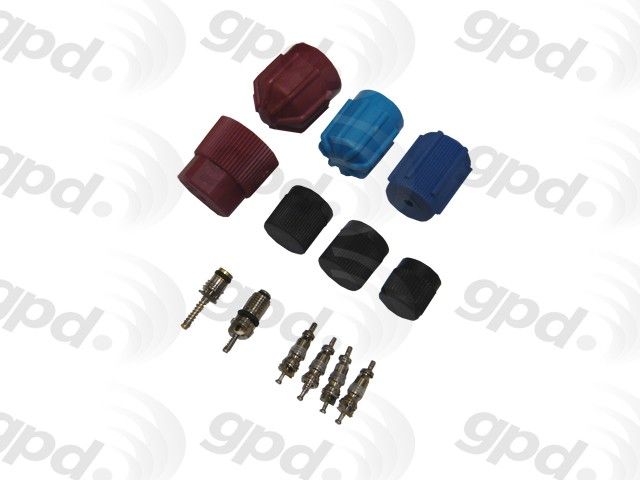
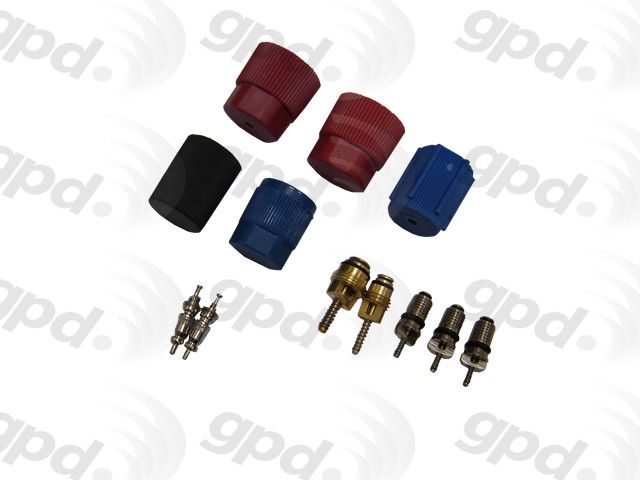
The A/C system has a high-pressure side and a low-pressure side. The service ports are different sizes to prevent technicians from connecting their equipment incorrectly. Your new kit should include valve cores and caps for both port sizes.
Technical Specifications
Kit includes high-side and low-side Schrader-type valve cores and sealing caps. Material must be compatible with system refrigerant (R12 or R134a).
We Have This Part in Stock

The information in this article is provided for general reference and educational purposes only. Vehicle specifications, procedures, and part compatibility can vary by production date, trim level, and region. Always consult your vehicle's factory service manual and verify part numbers before purchasing or performing repairs. Safety-critical components such as airbags, seat belts, and braking systems should be installed by a qualified professional.
- Ford FT900: