

Peterbilt 378 (1988-1997) Accessory Drive Belt: A Complete Replacement Guide
Don't let a worn belt sideline your rig; learn how to choose the right replacement and spot failure before it happens.
- Always replace the belt tensioner and inspect idler pulleys when replacing the belt to ensure longevity.
- Choose a premium aftermarket brand like Gates, Dayco, or Continental, as they are often the OEM suppliers and offer the best reliability for heavy-duty use.
- Verify the exact belt part number using your engine's serial number; Peterbilt 378s have many engine variations.
- Do not drive the truck if the belt is broken; it will cause the engine to overheat and lose power steering and electrical charging.
Is Your Peterbilt 378's Drive Belt About to Fail?
A worn-out accessory drive belt gives clear warning signs before it breaks. Ignoring them can lead to a breakdown and potential engine damage from overheating. Pay close attention to your truck, especially on startup.
Common Failure Symptoms
- Squealing or Chirping Noises: This is the most common symptom, often worse in damp weather or when first starting the engine. The noise indicates the belt is slipping, which could be due to wear, contamination, or a failing tensioner.
- Visible Wear and Damage: Inspect the belt for cracks, frayed edges, missing ribs, or a glazed, shiny appearance on the ribbed side.
- Accessory Problems: If your battery isn't charging (dimming lights, battery warning light), the power steering feels heavy, or the engine temperature starts to climb, the belt may be slipping or broken.
- Vibrations: A worn or misaligned belt can cause unusual vibrations that you might feel in the cab.
Choosing the Right Aftermarket Belt for Your 378
For a workhorse like the Peterbilt 378, you can't afford to use a low-quality belt. The good news is that top aftermarket brands are often the same companies that make the original parts for Peterbilt, Caterpillar, and Cummins. You can get OEM-level quality without paying dealer prices.
Brand Quality Tiers
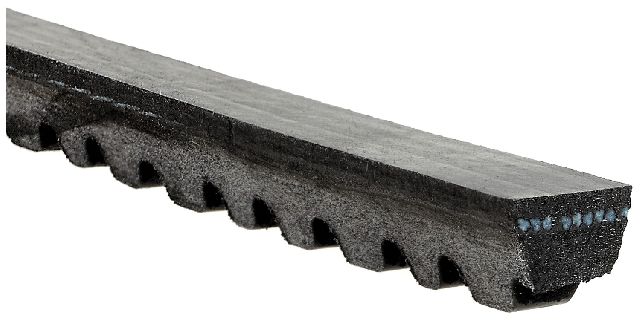
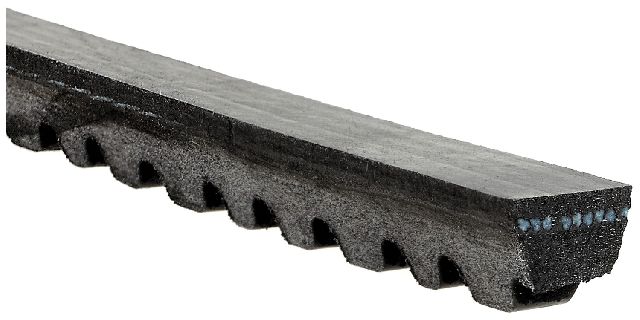
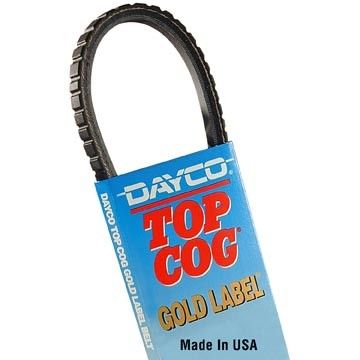
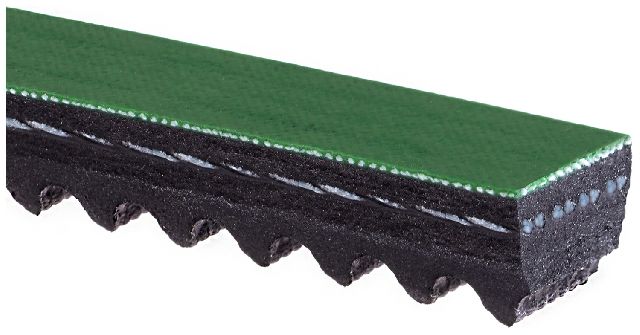
- Top Tier (OEM Quality): Brands like Gates, Dayco, and Continental are all considered Tier 1 suppliers that produce high-quality, reliable belts for heavy-duty applications. Gates is frequently preferred by mechanics and offers specialized heavy-duty lines like their 'Green Stripe' belts, which can solve alignment issues on some Cummins engines. Continental's Elite series (formerly the Goodyear Gatorback) is also well-regarded for being quiet and durable.
- Standard Tier: Store brands or lesser-known names may be cheaper, but they are not recommended for a heavy-duty commercial truck. The risk of premature failure and a costly breakdown isn't worth the small savings.
Pro Tip: It's Not Just the Belt
The number one cause of a new belt failing or squeaking is a worn-out belt tensioner. The tensioner is a spring-loaded pulley that keeps the belt tight. If you're replacing a high-mileage belt, it is strongly recommended to replace the tensioner and any idler pulleys at the same time. This ensures the entire system works correctly and extends the life of your new belt.
Common Ordering Mistakes to Avoid
The Peterbilt 378 was offered with many different engines from Caterpillar (CAT), Cummins, and Detroit Diesel. There is no 'one-size-fits-all' accessory belt. The belt's length, width, and number of ribs depend entirely on your specific engine and which accessories are installed (like the type of A/C compressor). Always verify the correct part number using your engine's serial number before ordering.
Estimated Costs for Accessory Drive Belt Replacement
| Part/Service | Estimated Cost |
|---|---|
| New Aftermarket Belt | $8.43 - $77.63 |
| New Aftermarket Tensioner | $50 - $150 |
| Shop Labor | $100 - $250 |
Frequently Asked Questions (FAQ)
Can I replace the accessory drive belt myself?
Yes, this is a DIY-feasible job for someone with basic mechanical skills and the right tools, primarily a long breaker bar or belt tensioner tool. However, access can be tight. Always take a picture of the belt's routing before you remove it.
How often should I replace the belt?
There is no universal interval, but a good practice is to inspect the belt at every oil change and plan for replacement around 60,000-70,000 miles, or sooner if you see signs of wear. For a commercial truck, preventative replacement is always cheaper than a roadside repair.
Why is my new belt squeaking?
If a new belt squeaks, the cause is almost always a weak tensioner, a misaligned pulley, or fluid contamination (oil, coolant, or 'belt dressing' spray). Never use belt dressing, as it can damage modern EPDM rubber belts. Check the tensioner and clean all the pulleys before installing a new belt.
Should I get a serpentine belt kit?
Yes. Many brands offer kits that include the belt, a new tensioner, and idler pulleys. Buying a kit is often the best value and ensures all the main wear components of the drive system are replaced at once for maximum reliability.
Technical Specifications
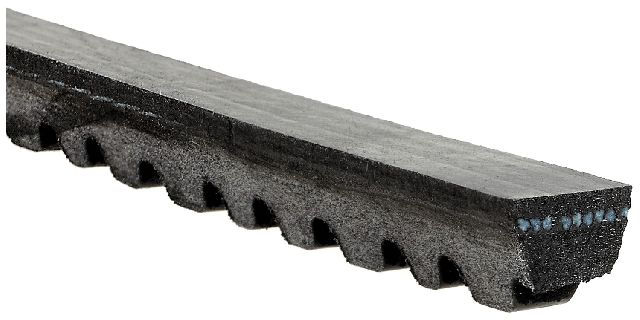
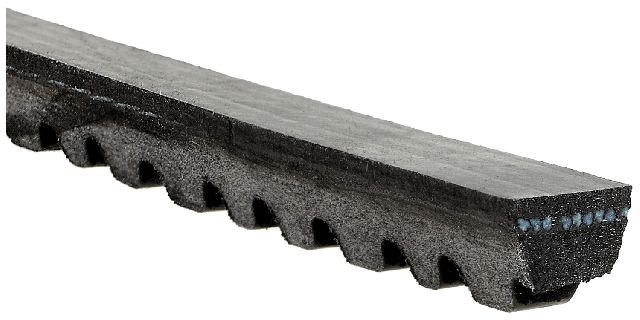
Belt type (V-Belt or Poly-V/Serpentine), length, and rib count vary significantly based on the engine (Caterpillar, Cummins, Detroit Diesel) and accessories equipped. Part must be matched to the engine serial number. Belts are typically made from durable EPDM rubber.
We Have This Part in Stock

The information in this article is provided for general reference and educational purposes only. Vehicle specifications, procedures, and part compatibility can vary by production date, trim level, and region. Always consult your vehicle's factory service manual and verify part numbers before purchasing or performing repairs. Safety-critical components such as airbags, seat belts, and braking systems should be installed by a qualified professional.
- Peterbilt 378: