

Engine Coolant Temperature Sensor Guide for 1988-1994 Chevrolet C1500
Solving poor fuel economy and rough running on your OBS Chevy truck often starts with this critical sensor.
- A bad ECT sensor on your C1500 will cause poor fuel economy, black smoke, and a rough idle.
- Your truck has two separate temperature units: a two-wire sensor for the computer and a one-wire sender for the dash gauge; don't mix them up.
- Replacement is a simple DIY job, located on the intake manifold near the thermostat.
- Choosing a quality aftermarket brand like Delphi, NGK, or Standard Ignition is a reliable and cost-effective choice for this repair.
Understanding the ECT Sensor in Your Chevy C1500


The Engine Coolant Temperature (ECT) sensor is a critical component for the proper operation of your 1988-1994 C1500's engine, whether it's a V6 or a V8. It acts as the main temperature input for the engine's computer (ECM). A faulty sensor can send incorrect information, leading the ECM to make poor decisions about fuel and timing. This can cause a range of problems from annoying to severe. It's a common failure point due to age and constant exposure to heat cycles.
Sensor vs. Sender: A Common Point of Confusion
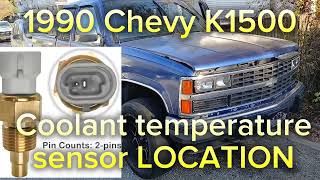
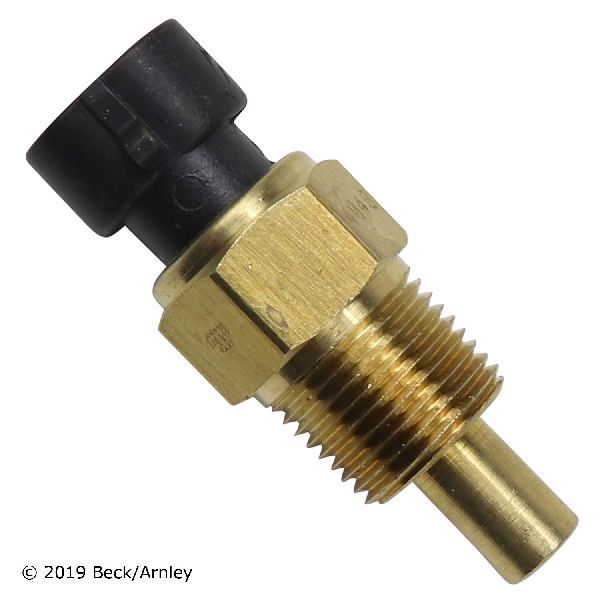
Your truck has two separate parts for measuring coolant temperature. The Engine Coolant Temperature Sensor (ECT) has two wires and sends information to the engine computer. It is typically located on the front of the intake manifold, near the thermostat housing. 🎬 Watch: See the exact location of the ECT sensor. The Coolant Temperature Sender has a single wire and operates the temperature gauge on your dashboard. It is usually found on the driver's side cylinder head, between the spark plugs. Ordering the wrong part is a frequent mistake, so be sure you are replacing the correct one for the problem you're having.
Symptoms of a Failing ECT Sensor

When the ECT sensor fails, it usually gets stuck reading either permanently hot or, more commonly, permanently cold. This leads to noticeable performance issues:
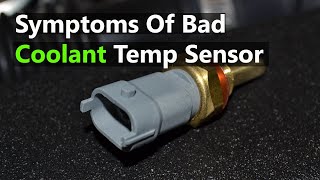
🎬 Watch: 8 common symptoms of a bad coolant sensor.- Poor Fuel Economy: A sensor stuck in the 'cold' position will cause the ECM to constantly run a rich fuel mixture, wasting gas.
- Black Smoke from Exhaust: This is a direct result of the overly rich fuel mixture. Unburned fuel is sent out the exhaust, creating black smoke.
- Check Engine Light: The ECM will detect a signal from the sensor that is out of the expected range and trigger a Check Engine Light. Common codes include P0117 (circuit low/reading too hot) and P0118 (circuit high/reading too cold).
- Rough Idle or Stalling: Incorrect fuel and timing adjustments can make the engine run rough, especially when it should be at normal operating temperature.
- Difficulty Starting When Hot: If the sensor is telling the ECM the engine is cold, the rich fuel mixture can 'flood' a warm engine, making it hard to restart.
Choosing the Right Aftermarket ECT Sensor

For a vehicle of this age, aftermarket parts offer excellent value. OEM parts can be hard to find and expensive. The key is to choose a reputable aftermarket brand to ensure reliability. Here’s a breakdown of available brands:
- Tier 1 (OEM-Grade): Brands like Delphi, NGK, and Standard Ignition (SMP) are known for producing high-quality sensors that meet or exceed original specifications. Delphi was a major original equipment supplier for GM, making their parts a very safe bet. These are recommended for owners who want maximum reliability and longevity.
- Tier 2 (Reputable Aftermarket): Beck Arnley, Hella, and Holstein offer a good balance of quality and price. They are trusted names in the aftermarket and provide reliable parts that are a solid choice for most repairs.
- Tier 3 (Value-Focused): Brands like Four Seasons, Motorad, Global Parts, Facet, and True Tech provide budget-friendly options. While they can get your truck back on the road, for a critical sensor like the ECT, spending a few extra dollars for a Tier 1 or Tier 2 brand is often a wise investment to avoid replacing it again in the near future.
A Note on Quality
While many aftermarket parts are excellent, the quality of electrical sensors can vary. A cheap, poorly made sensor can fail quickly or provide inaccurate readings from day one, leaving you with the same problems. Investing in a recognized brand is good insurance against future headaches.
Cost of Replacing a C1500 ECT Sensor
| Part Type | Estimated Cost |
|---|---|
| New Aftermarket Part | $12.58 - $37.74 |
| New OEM Part (if available) | $50 - $80 |
| Shop Labor | $50 - $100 |
| Total DIY Cost (Aftermarket) | $12.58 - $37.74 |
| Total Shop Cost (Aftermarket) | $62.58 - $137.74 |
Frequently Asked Questions
Is replacing the ECT sensor a difficult job?
No, this is a very easy job for a DIY mechanic. It requires basic tools, like a wrench or a deep socket. 🎬 See this walkthrough for replacing the sensor on a 5.7L. The sensor is easily accessible on the front of the intake manifold. The main challenges are waiting for the engine to cool down completely and losing a small amount of coolant during the swap.
Do I need to drain all the coolant?
No. You will lose a few ounces of coolant when you unscrew the old sensor. You can minimize the loss by having the new sensor ready to quickly screw into place once the old one is removed. Always remember to top off the coolant level in the radiator and overflow tank after the job is done.
Does the new sensor need thread sealant?
Yes. Most new sensors come with a thread sealant pre-applied. If yours does not, you should apply a small amount of Teflon tape or liquid pipe sealant to the threads to prevent leaks. Do not overtighten the sensor; just snug it up.
What happens if I ignore a bad ECT sensor?
Ignoring a bad ECT sensor will lead to consistently poor fuel mileage, rough running, and increased emissions. Over time, running a constantly rich fuel mixture can damage the oxygen sensor and the catalytic converter, leading to more expensive repairs down the road.
Were there any recalls for the ECT sensor on this truck?
A search of the National Highway Traffic Safety Administration (NHTSA) database shows no recalls or common investigation patterns specifically for the engine coolant temperature sensor on the 1988-1994 Chevrolet C1500. Failures are typically due to the age and normal wear of the component.
Helpful Videos


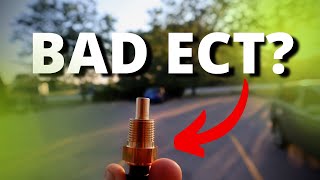
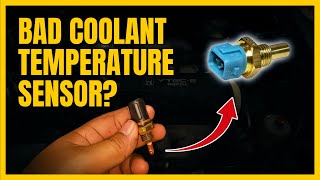
Technical Specifications
OEM Part Numbers: 25036979 12146312 15326386
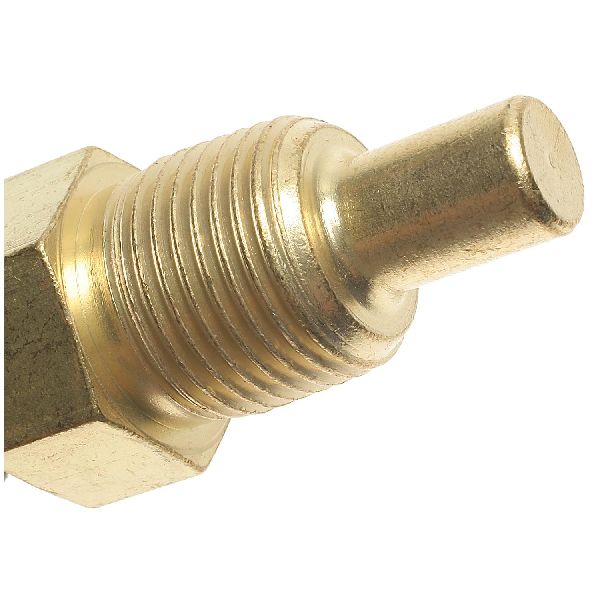
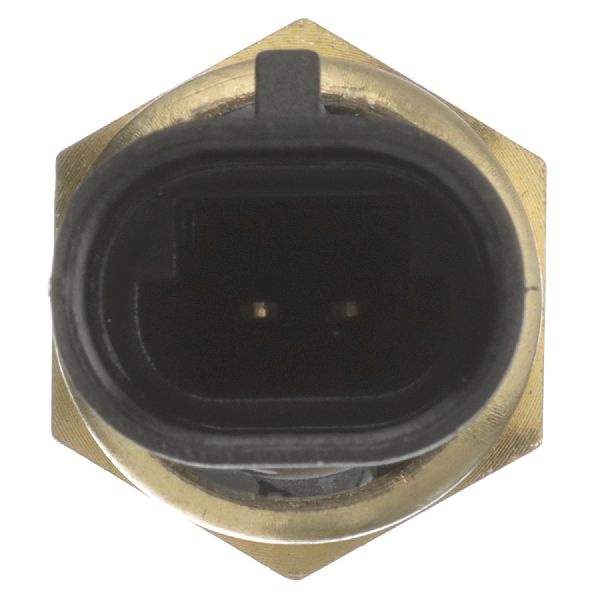
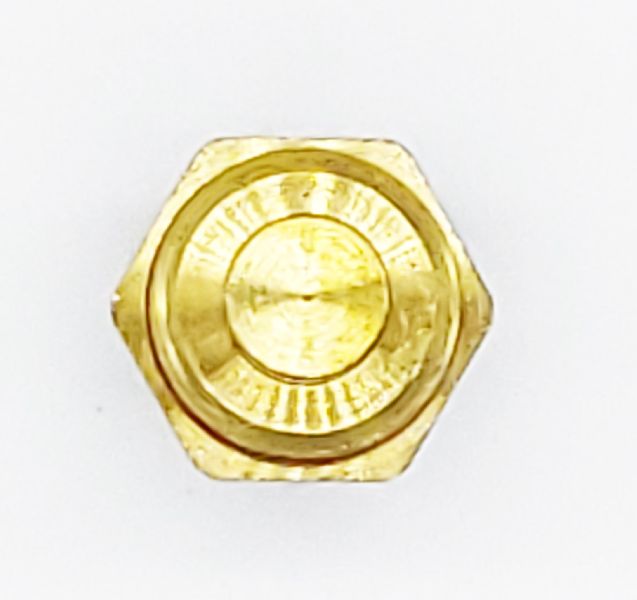
Two-wire thermistor sensor with a threaded brass body. Located on the intake manifold near the thermostat housing. Connector is typically a two-pin oval shape.
We Have This Part in Stock



The information in this article is provided for general reference and educational purposes only. Vehicle specifications, procedures, and part compatibility can vary by production date, trim level, and region. Always consult your vehicle's factory service manual and verify part numbers before purchasing or performing repairs. Safety-critical components such as airbags, seat belts, and braking systems should be installed by a qualified professional.
- Chevrolet C1500: