

Chevrolet Camaro Engine Mount Guide: 1988-1992
Stop the shaking and clunking in your 3rd Gen Camaro by choosing the right engine mount.
- Decide between rubber for comfort or polyurethane for performance; polyurethane will increase cabin vibration.
- Always replace engine mounts in pairs, and it is highly recommended to replace the transmission mount at the same time.
- Standard aftermarket brands like Anchor and DEA are affordable but may not last as long as OEM or performance options.
- Replacement is a difficult DIY job due to extremely tight access, especially on the passenger side.
Is Your Camaro's Engine Mount Failing?
The engine mounts on the 1988-1992 Camaro are tough, but they wear out over time. The rubber can crack, get soaked with oil, or tear from the force of the engine. When this happens, you'll start to notice some clear signs that it's time for a replacement.
Common Symptoms of a Bad Mount:
- Loud Clunking Noises: A common sign is a loud 'clunk' or 'thump' when you accelerate hard or shift from park into drive. This is the sound of the engine physically lifting and hitting other parts because the mount isn't holding it down.
- Excessive Vibration: You might feel a strong vibration through the steering wheel, the floor, or the whole car, especially when idling at a stoplight. This happens because the mount's rubber is no longer absorbing the engine's vibrations.
- Visible Engine Movement: A sure sign of a bad mount is seeing the engine physically rock or jump when a helper revs the engine (with the car in park). The engine should move a little, but excessive movement indicates a problem.
Known Issues & Recalls
Searches of the National Highway Traffic Safety Administration (NHTSA) database show no specific recalls or technical service bulletins (TSBs) for engine mounts on the 1988-1992 Chevrolet Camaro. Any issues you experience are likely due to normal wear and tear over the vehicle's lifespan.
Choosing the Right Aftermarket Engine Mount
When shopping for a new engine mount, you have a few types to choose from. The right one for you depends on how you use your Camaro.
Tier 1: Performance Polyurethane (Energy Suspension)
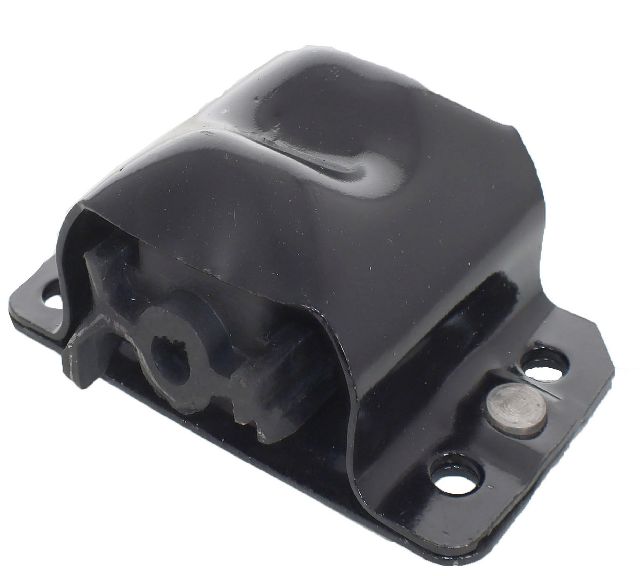
Polyurethane mounts are a popular upgrade for performance driving. They are much stiffer than the original rubber, which means they control engine movement better for improved throttle response. The downside is a big increase in vibration felt inside the car. If your Camaro is a daily driver, this might be too harsh. If it's a weekend car or sees track time, polyurethane is a great choice for durability and performance. Some users report minor fitment issues, occasionally requiring grinding to get a perfect fit.
Pro Tip: If you choose polyurethane engine mounts, it's a good idea to also install a polyurethane transmission mount. Mixing soft rubber engine mounts with a stiff poly transmission mount can put stress on the transmission housing.
Tier 2: Standard Replacement (Anchor, DEA, Westar, Pioneer Cable)
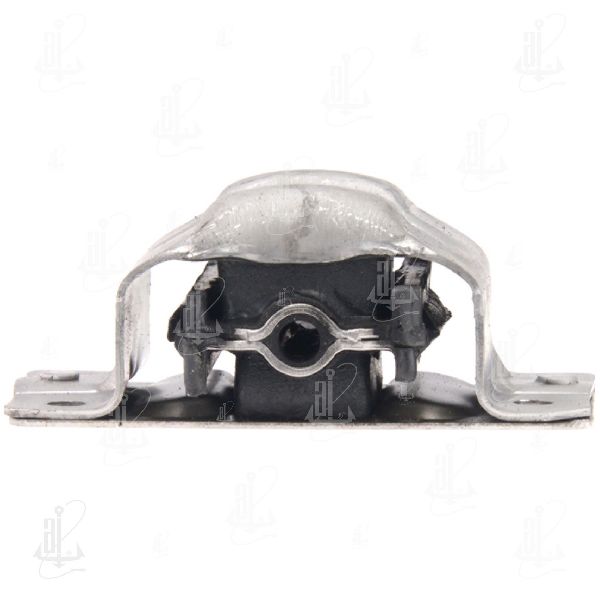
These brands offer direct, OEM-style rubber replacements. They are designed to restore the original ride quality, prioritizing comfort over performance. They are very affordable, but online forums suggest their quality can be inconsistent compared to original GM parts. While they will get the job done for a daily driven car, they may not last as long as a higher-end option, especially with a high-horsepower engine.
Tier 3: Heavy-Duty/Solid (Quick Time)
Solid steel mounts are designed for racing. They offer zero flex, locking the engine in place for maximum power transfer. However, they will transfer every bit of engine vibration directly to the car's frame, making them unsuitable for street driving.
| Part Type | Estimated Cost (Per Mount) | Notes |
|---|---|---|
| New OEM (GM/AC Delco) | $100 - $165+ | Best fit and ride quality, but expensive and may be hard to find. |
| New Aftermarket (Rubber) | $16 - $30 | Affordable OEM-style replacements. Brands include Anchor, DEA, and Westar. |
| New Aftermarket (Polyurethane) | $35 - $45 | Performance upgrade with increased vibration. Brand is typically Energy Suspension. |
| Shop Labor | $200 - $450 | Estimated 2-3 hours of labor. This job is known to be difficult due to tight access. |
Frequently Asked Questions (FAQ)
Should I use rubber or polyurethane engine mounts?
Choose rubber if you want a smooth, quiet ride like the car had from the factory. Choose polyurethane if you want better performance and durability and don't mind feeling more engine vibration.
How many engine mounts does my 1988-1992 Camaro have?
Your Camaro has two engine mounts, one on each side of the engine. They are typically sold individually but should always be replaced in pairs.
Do I need to replace the transmission mount at the same time?
It is highly recommended. A worn transmission mount can cause similar clunking and vibration symptoms. Replacing all the mounts at once ensures the entire drivetrain is stable and properly aligned.
How difficult is it to replace Camaro engine mounts myself?
This is a challenging job for a DIY mechanic. Access to the bolts is very tight, especially on the passenger side, and requires working through small openings in the subframe. It requires patience and a good set of tools, including universal joints and extensions.
Technical Specifications
OEM Part Numbers: 22188497 10032292
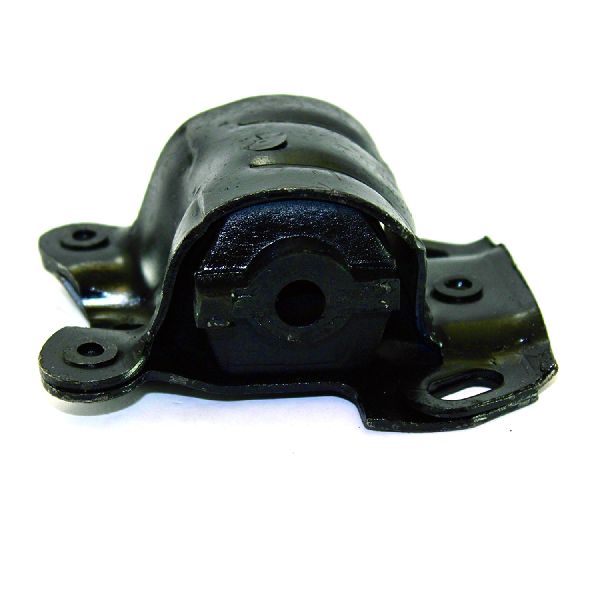
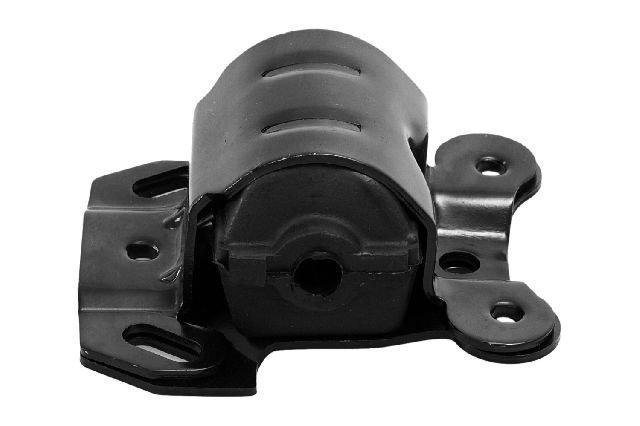
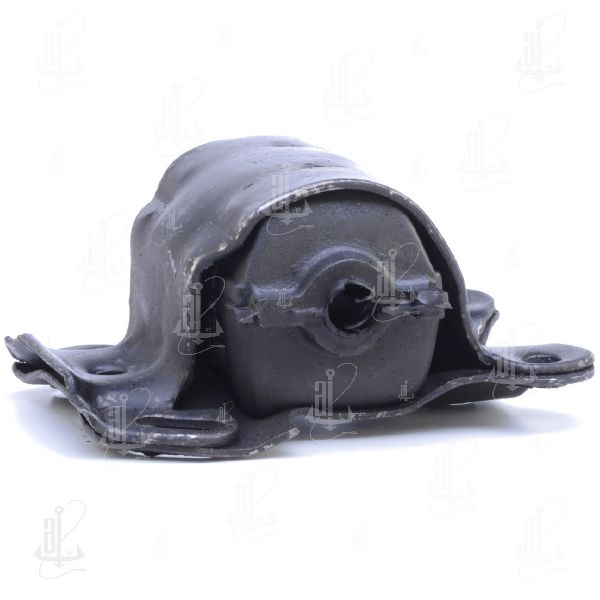
The 1988-1992 Camaro uses a two-bolt 'clamshell' style engine mount that bolts to the K-member (subframe). The mounts are side-specific, with the passenger side mount being slightly different in height to compensate for the K-member's angle.
We Have This Part in Stock


The information in this article is provided for general reference and educational purposes only. Vehicle specifications, procedures, and part compatibility can vary by production date, trim level, and region. Always consult your vehicle's factory service manual and verify part numbers before purchasing or performing repairs. Safety-critical components such as airbags, seat belts, and braking systems should be installed by a qualified professional.
- Chevrolet Camaro: