

Ford CF6000 A/C System Valve Core and Cap Kit Replacement Guide (1988-1990)
If your truck's A/C is blowing warm, the fix could be simpler and cheaper than you think; it's often just a leaking service valve.
- A leaking A/C service port valve is a very common and inexpensive cause for poor A/C performance on 1988-1990 CF6000 trucks.
- You must identify if your truck uses the original R-12 or has been converted to R-134a refrigerant before buying parts.
- The A/C system must be professionally evacuated before replacing the valve cores and then vacuumed and recharged after.
- Always replace the service port caps; they provide a critical secondary seal and protect the valve from dirt.
Is Your 1988-1990 CF6000 A/C Losing Its Cool? Check the Valves First.
When the air conditioning in an older heavy-duty truck like the Ford CF6000 stops blowing cold, many owners fear a major repair bill for a new compressor or condenser. However, a much more common and inexpensive failure point is the A/C service port valves. Over time, the small rubber seals in the valve cores can degrade, causing a slow but steady leak of refrigerant. An oily, grimy buildup around the plastic service port caps is a tell-tale sign of this problem.
Important: R-12 vs. R-134a Refrigerant
Your 1988-1990 CF6000 was originally equipped with R-12 refrigerant. Many of these systems have been converted to the modern R-134a standard. The service ports for R-12 and R-134a are different. Before purchasing a kit, you must identify which type of refrigerant your system uses. R-134a conversion kits usually include adapter fittings on the service ports. Aftermarket valve kits are often compatible with both types.
Choosing an Aftermarket A/C Valve Kit
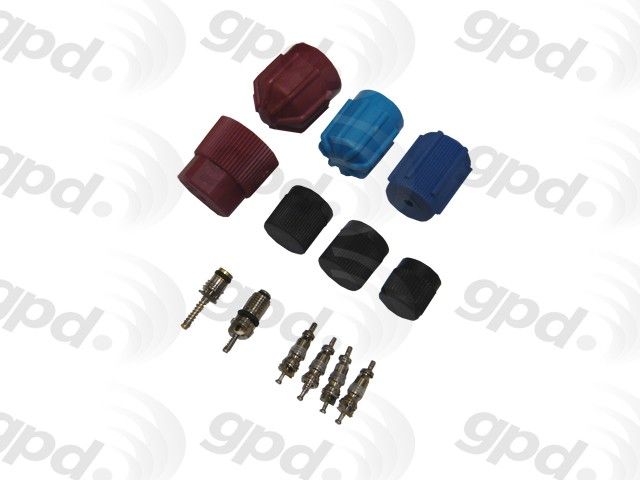
For a straightforward part like a valve and cap kit, there is little practical difference between OEM and aftermarket quality. The key is a proper fit and installation. The available aftermarket kits from brands like Global Parts provide a cost-effective solution.
Global Parts (GPD): Global Parts Distributors is a well-known aftermarket brand offering a wide range of A/C components. Generally, they are considered a budget-friendly option. While some mechanics might be hesitant to use their complex components like compressors on jobs with high labor costs, a simple valve and cap kit is a low-risk part where brand name is less of a concern than proper installation.
Pro Tip: Don't Skip the Caps
Never operate your truck without the service port caps installed. They are a critical secondary seal that helps prevent slow leaks and protects the sensitive inner valve core from dirt and debris, which could cause it to fail. If your caps are missing or cracked, replace them immediately.
Known Issues, Recalls, or TSBs
There are no specific recalls, Technical Service Bulletins (TSBs), or common, widespread problems reported for the A/C valve core and cap kit on the 1988-1990 Ford CF6000. Any failures are typically due to the age of the rubber seals in the valve cores.
Replacement Cost
The A/C valve and cap kit itself is very inexpensive. The main cost of this repair is the professional labor required to service the A/C system.
| Part/Service | Estimated Cost |
|---|---|
| New Aftermarket Kit (Global Parts) | $8.39 |
| Shop Labor (Evacuate & Recharge) | $100 - $200 |
Frequently Asked Questions
Do I have to empty the A/C system to replace the valve cores?
Yes. The A/C system is under pressure. Federal law and safety require that a certified shop use a special machine to recover the old refrigerant before the valves can be replaced. After the new valves are in, the system must be vacuum-tested for leaks and then recharged with the correct amount of refrigerant and oil.
Can I use a special tool to change the valve without evacuating the system?
While professional tools exist to replace Schrader valves on a pressurized system, they can be difficult to use correctly and are not recommended for DIY use. An improper seal can lead to rapid refrigerant loss. The safest and most effective method is to have the system professionally evacuated.
My A/C is still weak after replacing the valves. What else could be wrong?
If the valves were leaking, you fixed one problem. If the A/C is still not cold, ensure the system was recharged with the correct weight of refrigerant. If that's correct, you may have another leak. Common leak points on these older Ford trucks are the O-rings at hose connections and the front shaft seal on the A/C compressor. A mechanic can add UV dye to the system to pinpoint other leaks.
Can I just tighten the old valve to stop the leak?
You can try gently snugging the valve core with a Schrader valve tool, but do not overtighten it. If the leak is due to a degraded rubber seal, tightening it will not provide a permanent fix. Replacement is the only reliable solution.
Technical Specifications
Kit includes multiple valve cores and caps to fit high and low side service ports. Compatible with R-12 and R-134a systems.
We Have This Part in Stock

The information in this article is provided for general reference and educational purposes only. Vehicle specifications, procedures, and part compatibility can vary by production date, trim level, and region. Always consult your vehicle's factory service manual and verify part numbers before purchasing or performing repairs. Safety-critical components such as airbags, seat belts, and braking systems should be installed by a qualified professional.
- Ford CF6000: