

1988-1989 Eagle Medallion A/C System Valve Core and Cap Kit Guide
Leaking A/C service ports are a common and fixable problem on your Eagle Medallion.
- Aftermarket kits from brands like Four Seasons are your only option, as new OEM parts are unavailable.
- You must verify if your Medallion's A/C has been converted from the original R-12 to R-134a refrigerant, as the service ports are different.
- The primary symptom of a leaking valve core is gradually weakening A/C performance over time.
- Replacement is not a simple DIY job; it requires specialized equipment to evacuate and recharge the A/C system legally and correctly.
Symptoms of a Failing A/C Valve Core or Missing Cap
A leak at the A/C service port is one of the most common reasons for an air conditioning system to lose its cooling ability over time. Because the Eagle Medallion is an older vehicle, the rubber seals in the original valve cores have likely become brittle and cracked. Look for these signs:
- Weak A/C Performance: The most common symptom is A/C that gets progressively weaker over weeks or months. It may struggle to cool the car at idle but feel slightly better while driving.
- Hissing Sounds: You might hear a faint hissing sound from the engine bay if you remove the plastic service port caps. This indicates refrigerant is escaping past the valve core.
- Oily Residue: A/C refrigerant contains a special oil that circulates through the system. If a valve is leaking, this oil will escape with the refrigerant, leaving a damp, oily, or dirty-looking residue around the service port and on the inside of the cap.
- Compressor Won't Turn On: If enough refrigerant leaks out, the system's pressure will drop too low. A low-pressure safety switch will then prevent the A/C compressor from engaging to protect it from damage.
Critical Check: R-12 vs. R-134a Refrigerant
Your 1988-1989 Eagle Medallion was originally equipped with R-12 refrigerant. Due to environmental regulations, R-12 is no longer used, and most vehicles of this era have been converted to the modern R-134a standard. These two systems use different-sized service ports and fittings. Before ordering a kit, you MUST identify which system your car has. R-134a conversion kits typically include adapter fittings that screw onto the old R-12 ports, which are a clear visual indicator. The valve core kit you buy must match the fittings on your vehicle.
Choosing the Right Aftermarket Valve Kit
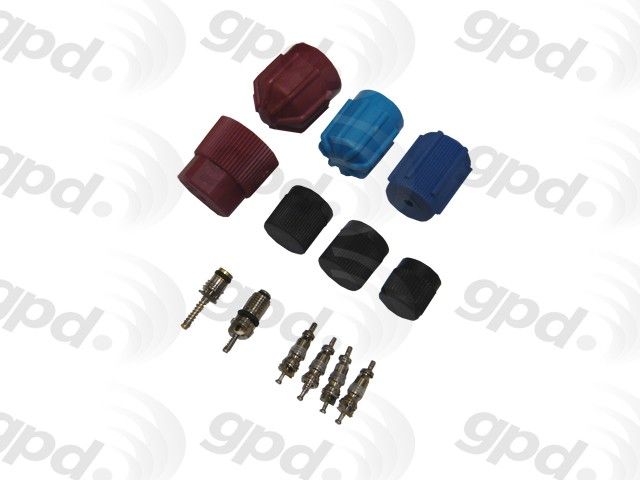
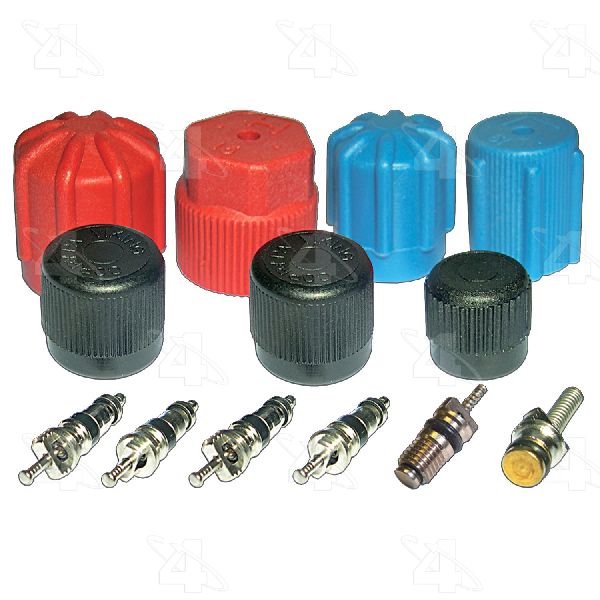
For a vehicle like the Eagle Medallion, new Original Equipment Manufacturer (OEM) parts are effectively unavailable. Your only option is a new aftermarket kit. The two brands available, Four Seasons and Global Parts (GPD), are standard aftermarket suppliers.
- Four Seasons: This is a very well-known brand in the aftermarket A/C world. While some online discussions mention occasional quality issues with their more complex parts like compressors, they are generally considered a reliable choice for simple components like seals, gaskets, and valve kits.
- Global Parts (GPD): Another aftermarket supplier of A/C components. There is less public feedback available for this brand compared to Four Seasons.
Pro Tip: For a simple and inexpensive part like a valve core and cap kit, either brand should provide a reliable seal. The most important factor is ensuring the kit is compatible with your vehicle's refrigerant system (R-12 or R-134a fittings).
Typical Replacement Costs
While the part itself is inexpensive, the labor is where the cost lies. Replacing a valve core requires the entire A/C system to be evacuated of any remaining refrigerant, the new part installed, the system put under a vacuum to remove moisture, and then precisely recharged with the correct amount of refrigerant and oil.
| Part/Service | Estimated Cost |
|---|---|
| New Aftermarket Kit | $8.39 - $22.84 |
| Shop Labor (Evacuate & Recharge) | $150 - $250 |
Frequently Asked Questions
Can I replace the A/C valve cores myself?
This is not recommended for a DIYer without the proper equipment. Legally and safely, the refrigerant in the system must be recovered with a special machine before opening the system. After replacing the cores, the system must be vacuumed to boil off any moisture and then recharged. Failure to do this correctly will result in poor performance or damage to other A/C components.
How important are the service port caps?
Very important. The caps are the primary seal against dirt and moisture entering the valve, and they act as a final barrier to prevent small refrigerant leaks. Always make sure they are screwed on tightly. A new kit will include new caps with fresh seals.
If one valve is leaking, should I replace both?
Yes. The valve cores on the high and low side ports are the same age. If one has failed due to its seals drying out, the other is likely to fail soon. Kits typically include multiple valves, so you should replace them all while the system is discharged.
What else should I replace at the same time?
Anytime an A/C system is opened for repair, it is standard practice to replace the receiver/drier (also called an accumulator). This component contains a desiccant that absorbs moisture from the refrigerant. Once exposed to atmospheric air, the desiccant becomes saturated and can no longer protect the system from corrosion.
Technical Specifications
Kit contains Schrader-type valve cores and service port caps. Compatibility depends on whether the system uses original R-12 fittings or has been converted to R-134a.
We Have This Part in Stock

The information in this article is provided for general reference and educational purposes only. Vehicle specifications, procedures, and part compatibility can vary by production date, trim level, and region. Always consult your vehicle's factory service manual and verify part numbers before purchasing or performing repairs. Safety-critical components such as airbags, seat belts, and braking systems should be installed by a qualified professional.
- Eagle Medallion: