

BMW 325i Suspension Strut Mount Guide (1987-2000)
Everything a BMW 325i owner needs to know about replacing worn suspension strut mounts.
- Verify your BMW's generation (E30, E36, or E46) before ordering, as the parts are not interchangeable.
- Symptoms include clunking noises over bumps, stiff steering, and increased vibration.
- Always replace strut mounts in pairs and get a wheel alignment afterward to prevent tire wear.
- For rear mounts, using heavy-duty versions or adding reinforcement plates is a highly recommended upgrade to prevent common failures.
Understanding Strut Mounts on Your 1987-2000 BMW 325i
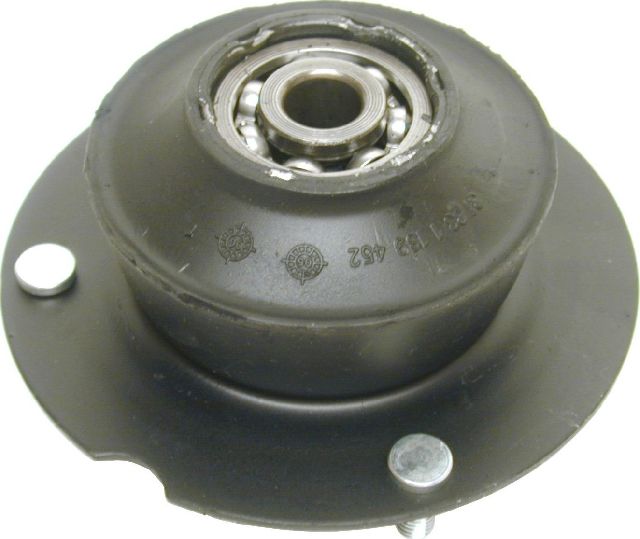
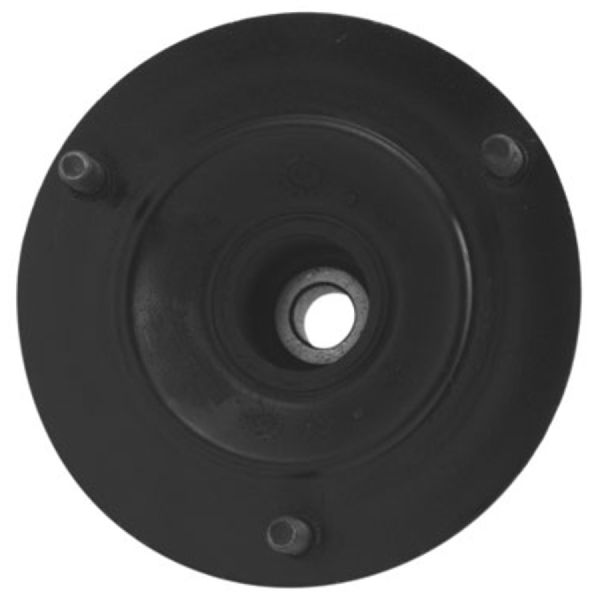
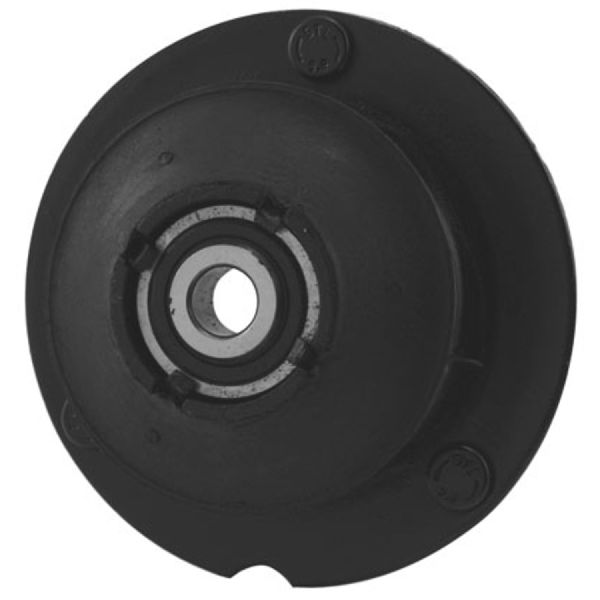
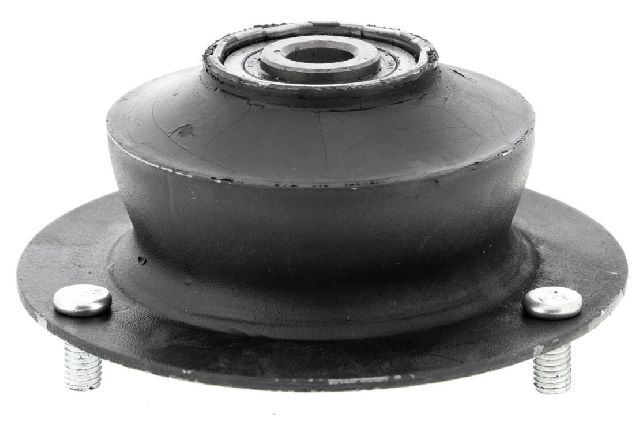
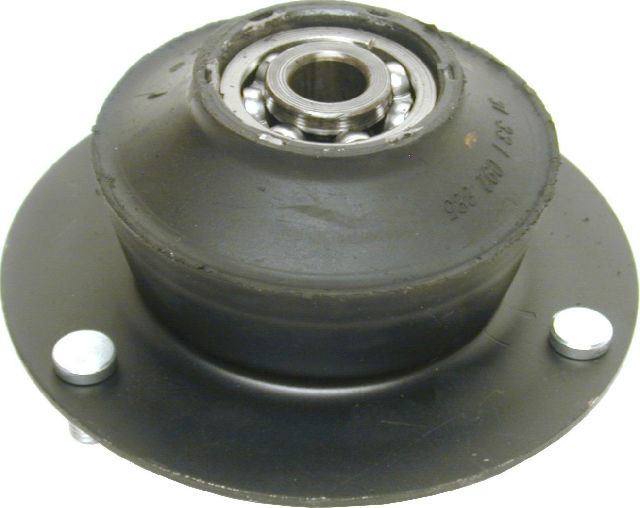
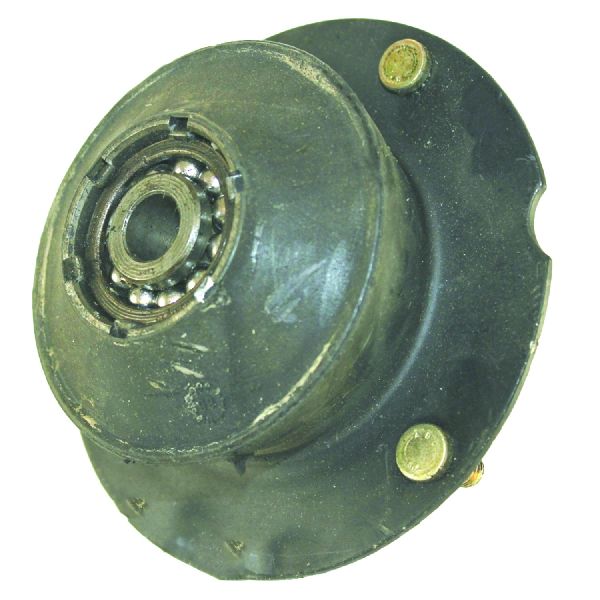
The suspension strut mount on your BMW 325i is a critical but often overlooked part of the suspension system. It secures the top of the strut to the car's chassis. More importantly, it contains a bearing that allows the strut to pivot as you steer and rubber that isolates the car from road noise and vibration. Over time, the rubber cracks and the bearing wears out, leading to problems you can feel and hear.
A Note on Vehicle Generations (E30, E36, E46)
The 1987-2000 year range for the 325i covers three distinct BMW generations: the E30 (1987-1991), E36 (1992-1998), and the first years of the E46 (1999-2000). While the function is the same, the parts are different. It is essential to order the correct strut mount for your specific chassis (E30, E36, or E46) to ensure proper fit and function.
Common Symptoms of a Failing Strut Mount
A bad strut mount will give you clear warning signs. Ignoring them can lead to more significant suspension issues and unsafe handling.
- Clunking or Knocking Noises: This is the most common symptom. You'll hear a distinct clunk or pop from the front suspension when driving over bumps or turning the steering wheel at low speeds. This is caused by the worn rubber allowing the strut to move and hit other metal components.
- Steering Problems: You might feel that the steering is stiff, binds, or makes a grinding noise when turning. This points to a failure in the mount's bearing. The car may also pull to one side.
- Excessive Vibration: Worn mounts can no longer absorb road vibrations, so you'll feel more harshness through the steering wheel and floor.
- Poor Handling & Stability: The vehicle may feel less stable, especially during cornering. This is because the worn mount allows for unwanted changes in suspension geometry.
- Uneven Tire Wear: Because a bad mount can affect alignment, you may notice your tires wearing unevenly.
Choosing the Right Aftermarket Strut Mount
You don't need to buy parts from the BMW dealer to get your car riding right again. Aftermarket brands offer a range of options, from OEM-quality replacements to budget-friendly choices. Here’s a breakdown of the available brands:
Brand Tiers for Your BMW 325i
Tier 1: OEM & Premium Aftermarket
These brands are either original equipment manufacturers for BMW or are known for high-quality engineering. They offer the best fit, performance, and durability, making them ideal for owners who want to restore original handling or even improve it.
- Sachs: Often an original equipment supplier to BMW, Sachs parts are a reliable choice for restoring the factory ride and quality.
- Bilstein: Known for performance suspension, Bilstein mounts are a high-quality option that often exceeds OEM standards.
Tier 2: Quality Aftermarket
These brands provide a good balance of quality and price. They are a solid choice for daily drivers where long-term durability is important but staying on a budget is also a factor.
- KYB: A well-regarded Japanese brand, KYB offers good quality mounts. Some users report their mounts can be noisy or stiff, but they are generally considered a reliable alternative to OEM.
- CRP (Rein): CRP often sources parts from OEM suppliers, providing a quality part without the dealer price tag.
- Vaico: A German brand that offers a wide range of parts, generally considered to be of decent quality for the price.
Tier 3: Economy Brands
These brands are the most affordable but can be a gamble on quality and longevity. They may be suitable for a car you don't plan on keeping long-term, but for a BMW, it's often worth spending more for better parts.
- Monroe: Often considered a budget-friendly option, Monroe mounts may offer a softer ride but might not last as long as premium brands.
- URO Parts: Forum discussions frequently advise against using URO for critical suspension components, citing poor fit and premature failure. They are best used for non-critical cosmetic or minor parts.
- DEA / Westar: These are typically economy-focused brands. While they meet the basic need, they may not provide the same ride quality or lifespan as higher-tier options.
Pro Tip: Replace in Pairs
Always replace strut mounts in pairs (both front or both rear). If one has failed, the other is likely not far behind. Replacing them together ensures balanced handling and saves you from doing the same job twice.
Known Issues, Recalls & TSBs
While there are no widespread recalls specifically for the 1987-2000 325i strut mounts, BMW did issue a recall for some 2002 models where the strut could separate from the mount, affecting vehicle control. This highlights the importance of this component's integrity. For older E30, E36, and E46 models, a common failure point is the rear shock mount (RSM), where the rubber can separate from the metal base, causing the shock to pop into the trunk area. Many owners opt for heavy-duty aftermarket rear mounts or reinforcement plates to prevent this.
| Item | Estimated Cost |
|---|---|
| New Aftermarket Strut Mount (Single) | $21.20 - $130.53 |
| Shop Labor (Per Pair) | $200 - $450 |
| Alignment (Recommended) | $100 - $200 |
Frequently Asked Questions (FAQ)
Do I need a wheel alignment after replacing strut mounts?
Yes, it is highly recommended. Replacing the strut mounts will affect your vehicle's suspension geometry. A wheel alignment is necessary to correct the camber, caster, and toe settings to prevent uneven tire wear and ensure proper handling.
Can I replace just the strut mount, or do I need the whole strut?
You can replace just the mount if your struts (shock absorbers) are still in good condition. However, since the process to access the mount requires disassembling the entire strut assembly, it is often cost-effective to replace the struts, mounts, and bump stops at the same time, especially on a high-mileage vehicle.
What is the difference between front and rear mounts?
Front strut mounts are more complex because they include a bearing that allows the wheels to steer. Rear shock mounts are typically simpler, serving only to secure the top of the shock absorber and absorb vibration. On these BMW models, the rear mounts are a known weak point and often fail by separating.
Should I use reinforcement plates?
For the rear shock mounts on E30, E36, and E46 models, reinforcement plates are a very popular and wise upgrade. They spread the load over a wider area of the shock tower, preventing the common failure where the mount cracks or punches through the sheet metal. Some aftermarket mounts even have this reinforcement built-in.
Technical Specifications
OEM Part Numbers: 31331139436 31331128522 31336775097
The 1987-2000 BMW 325i was produced across three chassis: E30 (approx. 1987-1991), E36 (approx. 1992-1998), and E46 (approx. 1999-2000). Front strut mounts contain a bearing for steering pivot. Rear shock mounts are a known weak point, and heavy-duty replacements or reinforcement plates are recommended.
We Have This Part in Stock

The information in this article is provided for general reference and educational purposes only. Vehicle specifications, procedures, and part compatibility can vary by production date, trim level, and region. Always consult your vehicle's factory service manual and verify part numbers before purchasing or performing repairs. Safety-critical components such as airbags, seat belts, and braking systems should be installed by a qualified professional.
- BMW 325i: