

A Practical Guide to the Oxygen Sensor for the 1987-2000 BMW 325i
Restore your classic BMW's fuel economy and smooth performance by choosing the right replacement oxygen sensor.
- Bosch is the original equipment manufacturer (OEM) and is the most recommended brand for reliability.
- A failing oxygen sensor will decrease fuel economy and performance; replacing it can prevent costly catalytic converter damage.
- The number of sensors varies by year; confirm if you need an upstream or downstream sensor for your specific E30 or E36 model before buying.
- Always choose a 'direct-fit' sensor over a 'universal' one to avoid cutting and splicing wires.
Is Your BMW 325i's Oxygen Sensor Failing?
An oxygen sensor doesn't last forever. As it ages, it becomes less accurate, which can cause a variety of problems. If you're noticing any of the symptoms below, a bad O2 sensor could be the culprit. Ignoring a failing sensor for too long can lead to more expensive repairs, including damage to your catalytic converter.
Symptoms of a Bad Oxygen Sensor
- Check Engine Light: This is often the first and most obvious sign of a sensor problem.
- Worse Fuel Economy: The engine computer may inject too much fuel to compensate for bad sensor readings, causing you to fill up more often.
- Rough Idle and Misfires: You might feel vibrations or shaking when the car is stopped, or the engine may stumble.
- Poor Performance: A noticeable loss of power, especially during acceleration, is a common symptom.
- Failed Emissions Test: An incorrect air-fuel mixture will lead to high emissions, causing a failed smog check.
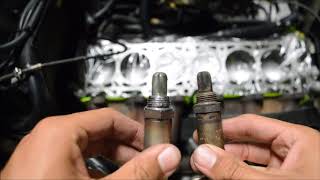
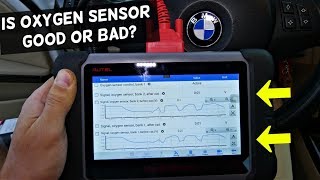
- Rotten Egg Smell: A rich-running engine can overheat the catalytic converter, producing a sulfur-like smell from the exhaust. 🎬 Watch: How to tell if your BMW oxygen sensor is bad
Generation Differences: How Many Sensors Do I Have?
The number and location of oxygen sensors on your 325i depend on the model year and its emissions system (OBD-I vs. OBD-II).
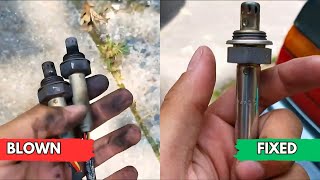
- E30 (1987-1991): These models typically have a single oxygen sensor. It is located on the exhaust manifold, often on the passenger side of the engine bay. 🎬 See this step-by-step E30 oxygen sensor replacement guide
- E36 (1992-1995, OBD-I): These models usually have one or two sensors located before the catalytic converter (pre-cat or "upstream").
- E36 (1996-2000, OBD-II): To meet stricter emissions standards, these cars have more sensors. They typically use two, three, or even four sensors. You will have "upstream" sensors before the catalytic converter to control the fuel mixture and "downstream" sensors after the converter to monitor its efficiency. It is crucial to identify which sensor has failed before ordering a replacement.
Pro Tip: Upstream vs. Downstream
Upstream sensors (also called pre-cat or control sensors) are the most critical for engine performance and fuel mixture. Downstream sensors (post-cat or monitoring sensors) primarily check if the catalytic converter is working correctly. Most performance issues are tied to a failing upstream sensor.
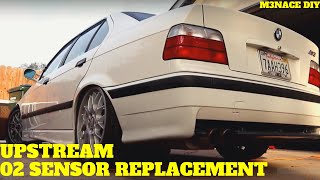
🎬 Watch this DIY walkthrough for replacing E36 upstream sensorsChoosing the Right Aftermarket Oxygen Sensor
For a critical component like an O2 sensor, brand quality matters. Sticking to proven brands can save you from the headache of a part that fails early or doesn't work at all. Based on owner experiences and mechanic recommendations, here is a breakdown of available brands.
Tier 1: OE Manufacturer & OEM Equivalents
These brands are the most trusted and recommended for reliability and performance.
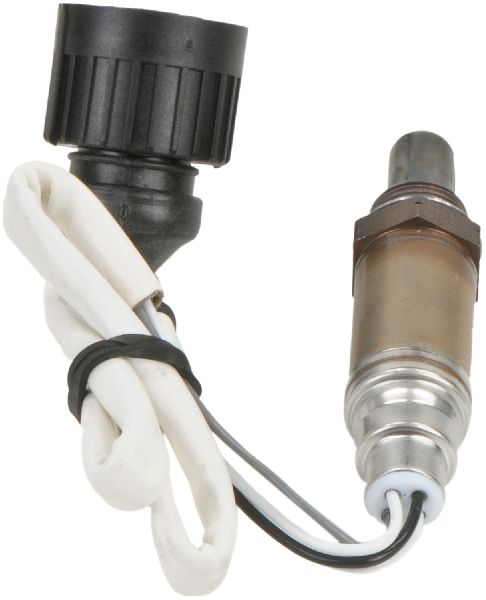
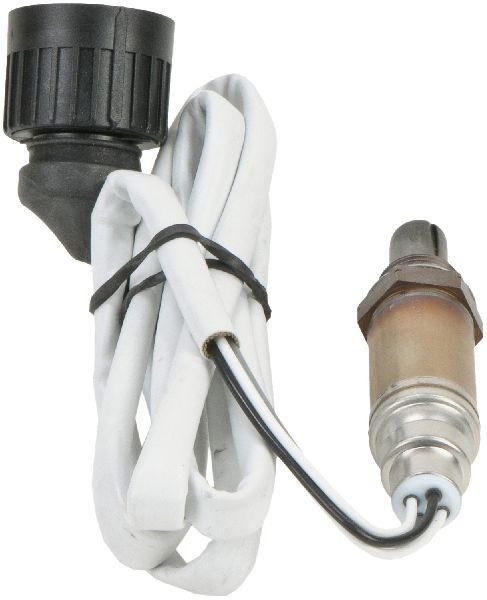
- Bosch: Bosch is the Original Equipment (OE) supplier for BMW on this part. Choosing a direct-fit Bosch sensor is the safest bet for guaranteed compatibility and performance, just like the original.
- Denso & NGK (NTK): Both are highly respected Japanese OEM suppliers for many car brands. They are considered excellent, reliable alternatives to Bosch and are trusted by many BMW enthusiasts.
Tier 2: Reputable Aftermarket
These brands can be a good value but may not have the same long-term track record as the top-tier options.
- Delphi: A well-known OEM supplier for American brands, Delphi generally produces quality parts and is a decent choice if a top-tier brand isn't available.
Tier 3: Budget Brands
These brands are the most affordable, but their quality can be inconsistent. Many BMW owners report issues with these sensors failing prematurely or being dead on arrival.
A Word of Caution on Budget Brands
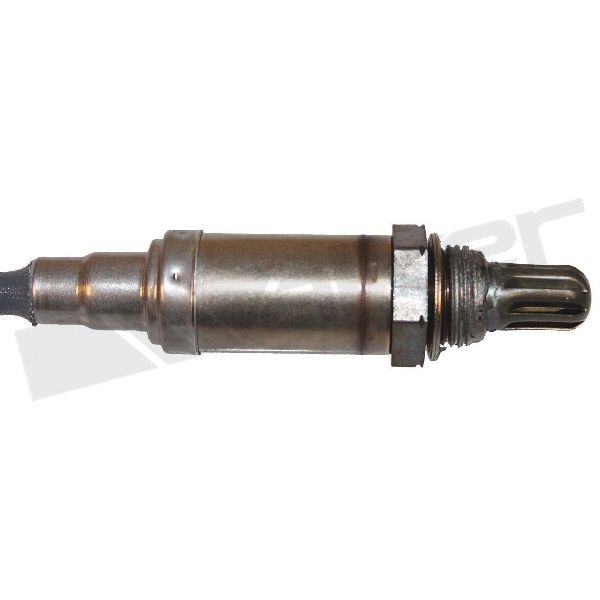
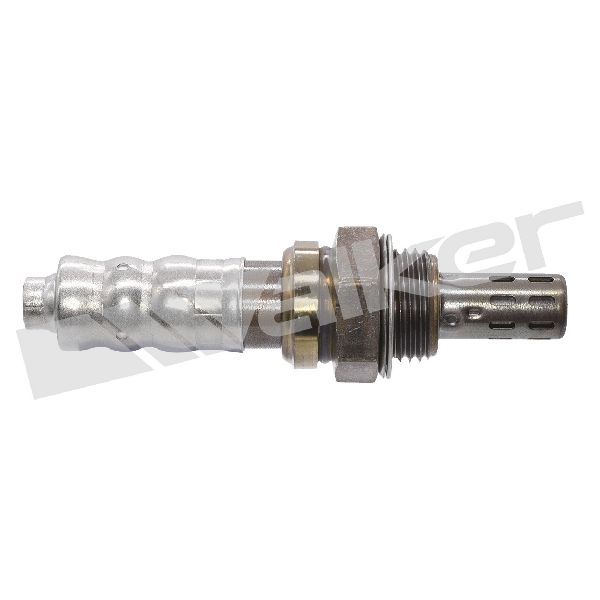
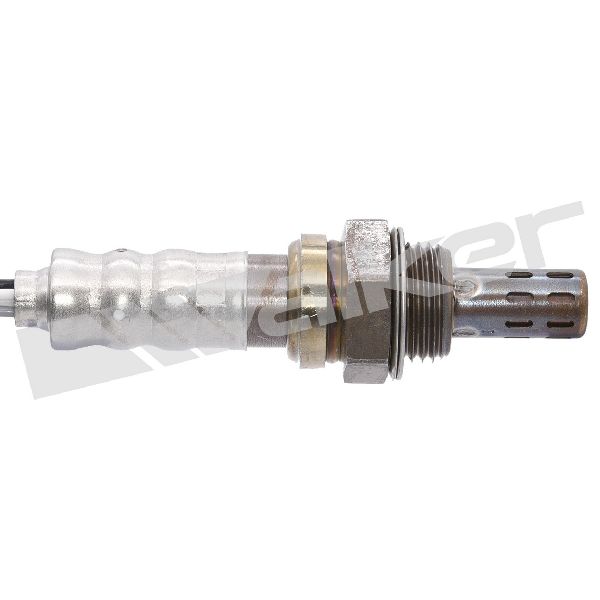
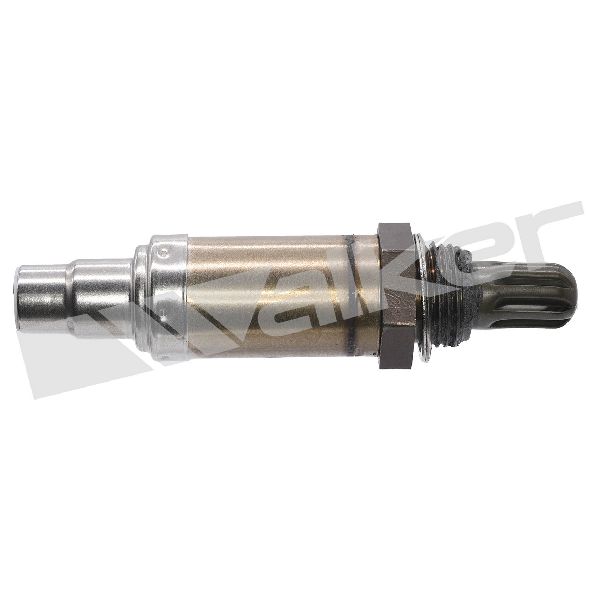
Brands like Walker Products, Spectra, and DriveWire fall into this category. Forum discussions frequently advise against using Walker sensors on BMWs, citing poor quality and reliability. While the low price is tempting, you may end up replacing the part again soon. For a part that requires some effort to install, it's often better to "buy once, cry once."
Known Issues
A BMW Technical Service Bulletin (TSB) exists for some models where a software error in the engine computer (DME) can prevent the oxygen sensor "readiness monitor" from setting. This will cause an automatic failure during a state emissions inspection, even if the sensor itself is new and working. If you replace your sensor but still can't pass emissions due to a readiness code issue, a BMW dealer or specialist shop may need to reprogram the DME with updated software.
Cost of Replacing a BMW 325i Oxygen Sensor
The total cost depends on the brand of the part and who does the work. Prices are for a single sensor.
| Item | Estimated Cost |
|---|---|
| New Aftermarket Part | $26 - $161 |
| New OEM Part (Bosch) | $100 - $270 |
| Shop Labor | $75 - $150 |
| Total (DIY) | $26 - $161 |
| Total (Installed at Shop) | $175 - $420 |
Frequently Asked Questions
Can I clean my old oxygen sensor?
While some methods exist for cleaning a carbon-fouled sensor, it is usually a temporary fix at best. If the sensor's internal heating element has failed or it is contaminated by silicone or coolant, cleaning will not work. Given the reasonable cost of a new sensor, replacement is the only reliable solution.
What tools do I need to replace an oxygen sensor?
You will need a 22mm wrench, but a special tool called an "oxygen sensor socket" is highly recommended. It's a deep socket with a slot cut out for the wire, which makes removal and installation much easier. You should also have penetrating oil on hand to help loosen the old sensor, as they are often seized in the exhaust pipe.
Should I buy a "universal" sensor or a "direct-fit" sensor?
Always choose a direct-fit sensor. Universal sensors are cheaper but require you to cut your old sensor's plug off and splice it onto the new sensor's wires. This adds time, complexity, and a potential point of failure. A direct-fit sensor comes with the correct plug to connect directly to your car's harness, making the job much simpler and more reliable.
What are the most common fault codes for a bad oxygen sensor?
On pre-1996 (OBD-I) models, you might see codes like 1221 (O2 Sensor), 1222 (Lean/Rich Detect), or 1264 (O2 Sensor Heater). On 1996 and newer (OBD-II) models, common codes include P0130 (O2 Sensor Circuit Malfunction Bank 1), P0135 (O2 Sensor Heater Circuit Malfunction Bank 1), and similar codes for Bank 2 (P0150, P0155).
Helpful Videos
Technical Specifications
OEM Part Numbers: 11781716114 11781735499 11781735500 11781468620 11781716156
Thread Size: M18x1.5. Wrench Size: 22mm. Number of wires: Varies from 1 to 4 depending on year and location (unheated vs. heated).
We Have This Part in Stock

The information in this article is provided for general reference and educational purposes only. Vehicle specifications, procedures, and part compatibility can vary by production date, trim level, and region. Always consult your vehicle's factory service manual and verify part numbers before purchasing or performing repairs. Safety-critical components such as airbags, seat belts, and braking systems should be installed by a qualified professional.
- BMW 325i:
- 🎬 Helpful Videos
- 🛍️ Shop This Part
- Is Your BMW 325i's Oxygen Sensor Failing?
- Symptoms of a Bad Oxygen Sensor
- Generation Differences: How Many Sensors Do I Have?
- Choosing the Right Aftermarket Oxygen Sensor
- Known Issues
- Cost of Replacing a BMW 325i Oxygen Sensor
- Frequently Asked Questions
- 🎟️ Get 5% Off