

Choosing the Right Aftermarket Disc Brake Pads for Your 1987-2000 BMW 325i
Get the right stopping power for your E30 or E36 325i by understanding your brake pad options.
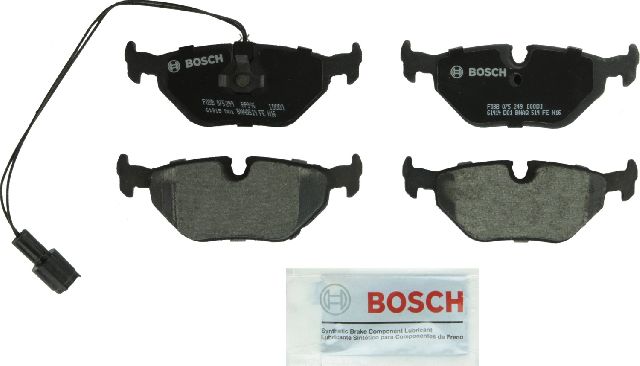
- Always replace the single-use brake pad wear sensors with your pads to turn off the dashboard warning light.
- Choose pads based on your driving style: Akebono for low dust, ATE/Textar for an OEM feel, or Hawk HPS for a street performance upgrade.
- For best results and safety, it is strongly recommended to replace your brake rotors at the same time as your pads.
- The replacement is a straightforward DIY job for most home mechanics, requiring a 7mm hex wrench and a piston compression tool.
Signs of Worn Brake Pads
Your BMW 325i (E30 and E36 generations) will give you clear warnings when it's time for new brake pads. Ignoring these signs can lead to unsafe driving conditions and more expensive repairs.
- Brake Warning Light: This is the most obvious sign. Your car has brake pad wear sensors on the front-left and rear-right wheels. When a pad wears down to a certain thickness, the sensor makes contact with the rotor, completes a circuit, and turns on the warning light on your dashboard.
- Squealing or Grinding Noises: A high-pitched squeal when you first apply the brakes is an early warning. A loud, continuous metallic grinding sound is much more serious; it means the friction material is completely gone, and the pad's metal backing plate is destroying your brake rotor.
- Reduced Stopping Power: If you notice it takes longer to stop or you have to press the pedal harder, your pads are likely worn out and can't create enough friction.
- Vibration or Pulsing: A pulsing or vibrating feeling in the brake pedal, especially during heavy braking, often points to warped rotors. Rotors can be damaged by heat from severely worn pads.
A Note on Brake Squeal
Occasional brake squeak can be normal. However, a persistent squeal during light braking could be caused by the brake pad wear sensor touching the rotor. A BMW Technical Service Bulletin (TSB) noted this issue, and the solution is to replace the brake pads and the wear sensor.
Choosing the Right Aftermarket Pads for Your 325i
Original BMW pads are typically made by brands like Textar, Pagid, or ATE. They offer great performance but are known for creating a lot of dark brake dust that dirties your wheels. Aftermarket pads offer a chance to match your car's braking performance to your driving style and tolerance for dust and noise.
Tier 1: OEM-Equivalent & Low-Dust Ceramic
This tier is for the daily driver who wants factory-like performance or wants to solve the chronic brake dust problem.
- Brands: Akebono, ATE, Pagid, Textar, Bosch, Brembo (standard), Centric (Premium), Raybestos (Element3).
- Best For: Daily driving, commuting.
- Assessment: ATE, Pagid, and Textar will give you the exact feel and performance you expect from a stock BMW, but with all the dust. Akebono Euro Ceramic pads are a very popular choice among owners because they produce almost no dust and are very quiet. Some drivers feel they have a slightly less aggressive initial "bite" when cold compared to the stock semi-metallic pads, but overall stopping power is considered equal or better.
Tier 2: Performance Street
For the owner who enjoys spirited driving on backroads and wants more bite and fade resistance without the harshness of a full race pad.
- Brands: Hawk HPS, Hawk HPS 5.0, EBC Greenstuff, StopTech Sport.
- Best For: Spirited street driving.
- Assessment: Hawk HPS pads are a classic upgrade, offering a noticeable improvement in stopping power over stock with manageable dust and noise. Hawk HPS 5.0 is a newer formula with even better initial bite. These pads provide a great balance for a performance daily driver.
Tier 3: Street/Track & Autocross
These pads are for dual-purpose cars that see both street driving and occasional track days or autocross events. They can handle much higher temperatures but have significant downsides for daily use.
- Brands: Hawk HP Plus, EBC Yellowstuff, Ferodo DS2500, Pagid (Racing compounds).
- Best For: Autocross, HPDE, track days.
- Assessment: Hawk HP Plus pads offer excellent stopping power but are known for being very loud and creating a lot of dust during normal street driving. EBC Yellowstuff is another popular option with great performance, though some users report they wear faster. These aggressive pads are not recommended for a car that only sees street duty.
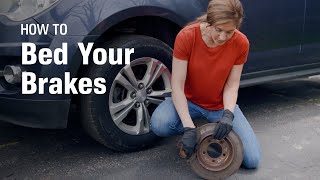
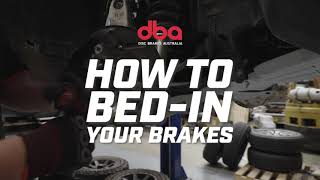
Don't Forget to Bed-In Your New Pads
Properly bedding-in your new brake pads is crucial. This process involves a series of controlled stops to transfer an even layer of friction material onto the rotor. It ensures optimal performance, prevents vibration, and extends the life of your pads and rotors. Always follow the manufacturer's specific bed-in procedure.
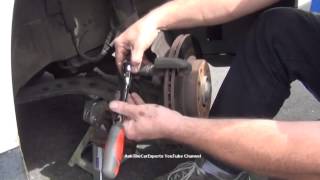
🎬 Watch this video to learn how and why to bed your brakes.Cost of New Disc Brake Pad Sets (1987-2000 BMW 325i)
| Category | Price Range (Parts Only) | Notes |
|---|---|---|
| Aftermarket (Budget/Standard) | $20 - $60 | Basic replacement pads from brands like Dynamic Friction or lower-tier Centric lines. |
| Aftermarket (OEM-Quality / Ceramic) | $50 - $120 | Includes trusted brands like ATE, Pagid, Textar, and low-dust options like Akebono. |
| Aftermarket (Performance Street) | $80 - $180 | Performance-oriented pads like Hawk HPS or EBC Greenstuff. |
| Aftermarket (Street/Track) | $150 - $300+ | Aggressive compounds from Hawk, Pagid, or EBC for track use. |
Frequently Asked Questions
Why is my brake light still on after changing the pads?
This almost always means you did not replace the brake pad wear sensor. The sensor is a single-use item. Once it wears through and triggers the light, it must be replaced with a new one to reset the warning. Ensure you purchase a new sensor for the front and rear when doing a full brake job.
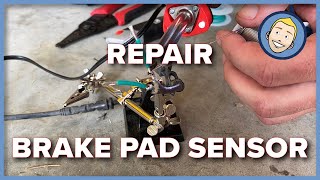
🎬 See how to properly handle and repair a brake pad sensor.Do I need special tools to change my 325i's brake pads?
The job can be done with common hand tools. The only slightly specialized tools you'll need are a 7mm hex socket or wrench for the caliper guide pins and a brake piston compressor tool or a large C-clamp to push the caliper piston back into its housing.
Should I replace my rotors at the same time as my pads?
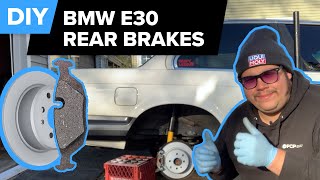
It is highly recommended. New pads perform best on a fresh, flat rotor surface. If your old rotors have a noticeable lip on the edge, grooves, or show signs of warping (vibration when braking), they must be replaced. Given the affordable cost of new aftermarket rotors, it's good practice to replace them with the pads for the best performance 🎬 Watch: Step-by-step guide to replacing E36 front pads and rotors. and longevity.
What's the difference between E30 and E36 brake pads?
While the general design is similar, the brake pads and calipers for the E30 (1987-1991) and E36 (1992-1995) 325i models are different and are not interchangeable. Always confirm the part fitment for your specific year and model before ordering.
Helpful Videos
Technical Specifications
OEM Part Numbers: 34116761237 34111161445 34111160532 34111161437 34111161455 34116752731
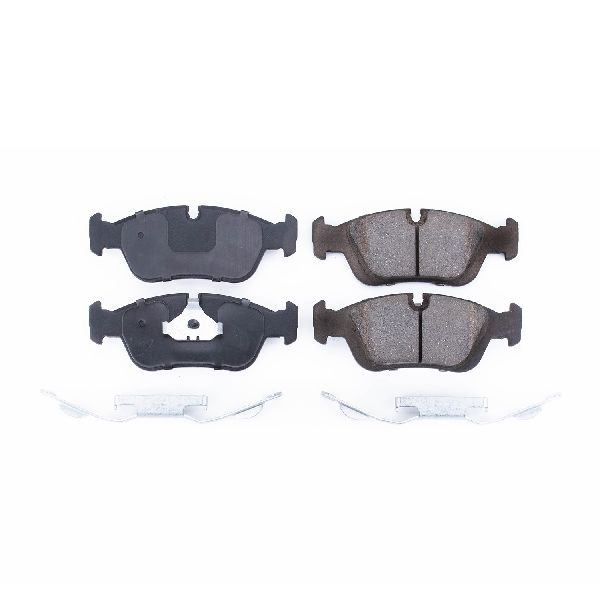
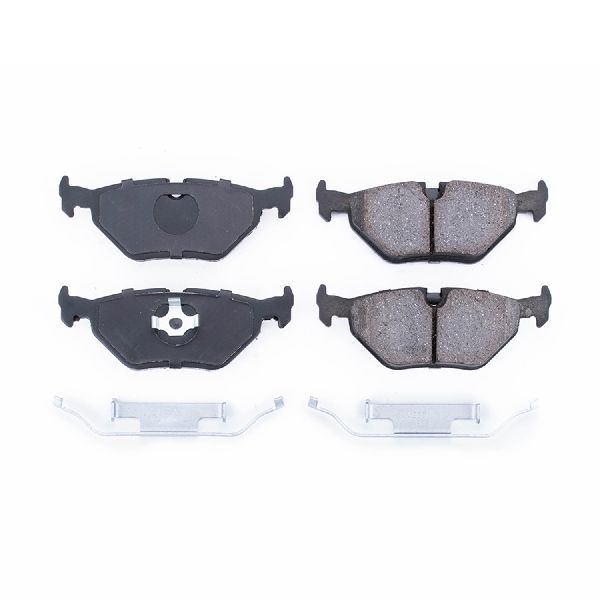
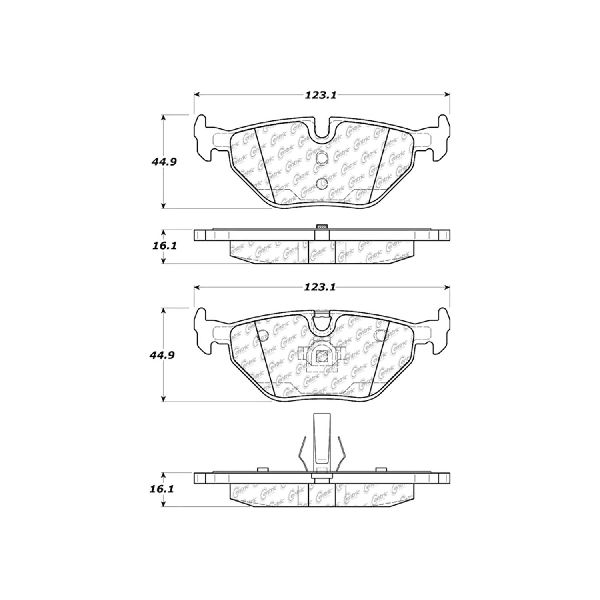
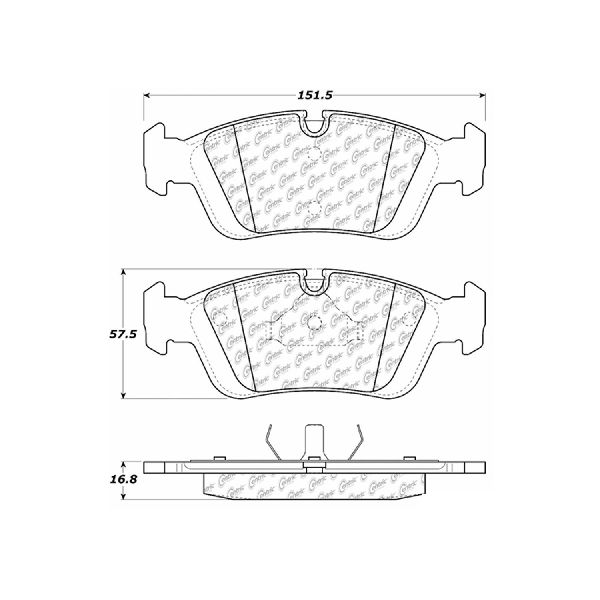
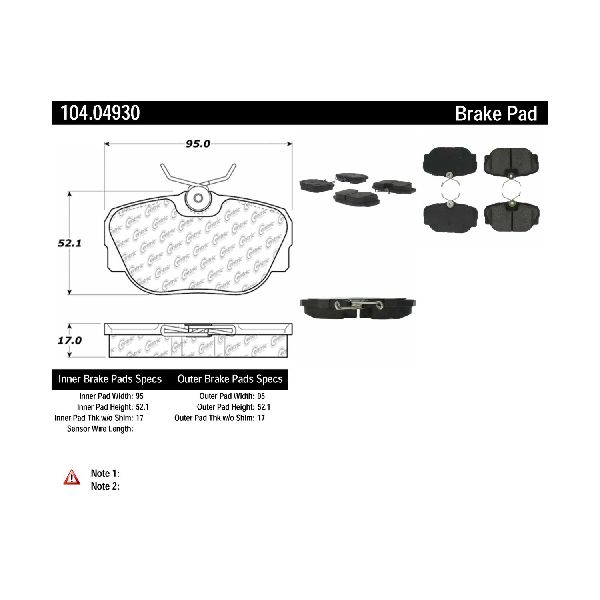
The 1987-2000 BMW 325i uses a single-piston, sliding caliper design for both front and rear brakes. The system incorporates a brake pad wear sensor on the front-left and rear-right wheels. OEM pad material is typically a semi-metallic compound known for good performance and high dust. Aftermarket options are widely available in semi-metallic, ceramic, and organic formulations.
We Have This Part in Stock

The information in this article is provided for general reference and educational purposes only. Vehicle specifications, procedures, and part compatibility can vary by production date, trim level, and region. Always consult your vehicle's factory service manual and verify part numbers before purchasing or performing repairs. Safety-critical components such as airbags, seat belts, and braking systems should be installed by a qualified professional.
- BMW 325i: