

Peterbilt 357 Serpentine Belt Replacement Guide (1987-1999)
Keep your 357's engine accessories running and avoid costly downtime by choosing the right serpentine belt.
- A broken serpentine belt will immediately disable your truck; preventative replacement is wise.
- Always verify the correct belt part number for your 357's specific engine (CAT, Cummins) and accessories.
- When replacing the belt, always inspect the tensioner and idler pulleys for wear, as a bad tensioner will ruin a new belt.
- For a work truck, premium aftermarket brands like Gates or Continental are recommended for maximum reliability and to avoid downtime.
Signs of a Failing Serpentine Belt
A serpentine belt is a wear item, meaning it will eventually need to be replaced. For a hard-working truck like a Peterbilt 357, regular inspection is key. Look for these warning signs:
- Squealing or Chirping: This is often the first sign. The noise might be worse on cold starts or when the engine is under load. It indicates the belt is slipping.
- Visible Damage: Inspect the belt for cracks, fraying, missing chunks, or a shiny, glazed appearance. Modern EPDM belts may not show cracks as easily, so any visible damage is a sign for immediate replacement.
- Accessory Problems: If your battery isn't charging (alternator), the engine is overheating (water pump), or you lose power steering, a failed serpentine belt is a likely cause.
Critical Component Failure
A broken serpentine belt will cause your truck to stop running almost immediately. You will lose water circulation, which can cause the engine to overheat and suffer catastrophic damage. You will also lose power steering and the alternator's ability to charge the battery.
Choosing the Right Aftermarket Serpentine Belt
The most important factor when buying a new serpentine belt for your 1987-1999 Peterbilt 357 is ensuring it is the correct part for your specific engine (e.g., Caterpillar, Cummins) and accessory configuration (with or without A/C, alternator size). There are dozens of belt lengths available, and using the wrong one will not work. Always verify the part number.
For a commercial vehicle, downtime is expensive. While budget-friendly options exist, investing in a premium heavy-duty belt is a smart choice. Top-tier aftermarket brands are often made by the same companies that supply OEM parts and can meet or exceed original quality.
- Premium Brands (Gates, Continental): Gates, particularly their FleetRunner line, is widely considered a top choice for heavy-duty applications. Continental (formerly Goodyear Gatorback) is also a highly respected OEM supplier known for quiet, durable belts. These brands are engineered for high temperatures and heavy workloads, making them ideal for your Peterbilt.
- Standard Brands (Dayco): Dayco is a well-known brand that offers a reliable, quality product that is often more affordable. While a solid choice for many applications, some professional mechanics prefer the proven longevity of Gates or Continental for heavy-duty trucks to maximize reliability.
Pro Tip: Inspect the Tensioner and Pulleys
When you replace the serpentine belt, always inspect the belt tensioner and idler pulleys. A worn-out tensioner cannot maintain proper belt tension, which will cause even a brand-new, high-quality belt to slip, squeal, and fail prematurely. If the tensioner or any pulleys feel loose, make noise when spun, or look worn, they should be replaced at the same time as the belt.
Cost of Replacing a Peterbilt 357 Serpentine Belt
| Part Category | Estimated Cost Range |
|---|---|
| New Aftermarket Belt | $12.26 - $90.34 |
| New OEM Belt | $50 - $150 |
| Shop Labor | $150 - $250 |
| Total Professional Replacement (Aftermarket Part + Labor) | $162 - $340 |
Frequently Asked Questions
How often should I replace the serpentine belt on my Peterbilt 357?
There is no single answer, as it depends on mileage, age, and operating conditions. A good practice is to inspect the belt at every oil change. Many professional drivers perform a preventative replacement every year or around 150,000 miles to avoid being stranded. If you see any signs of wear, replace it immediately.
Can I replace the serpentine belt myself?
Yes, this is a DIY-feasible job for someone with mechanical experience. The key is having the correct tools, typically a long-handled ratchet or breaker bar (1/2" drive) to release the belt tensioner. It is crucial to take a picture or draw a diagram of the belt's routing before you remove the old one. On some engine configurations, access can be tight.
What is the difference between a serpentine belt and a V-belt?
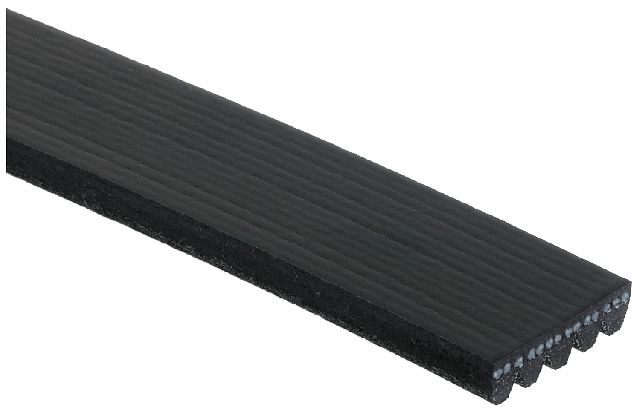
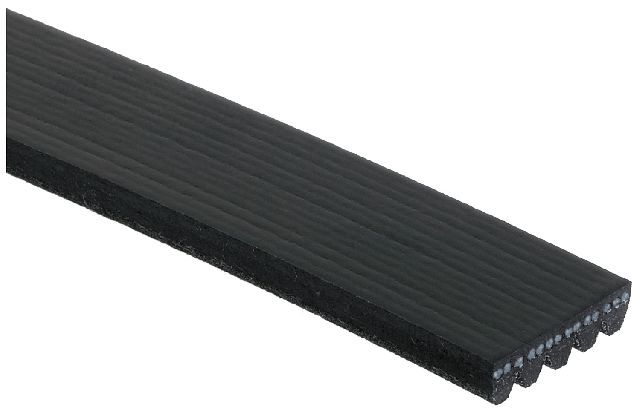
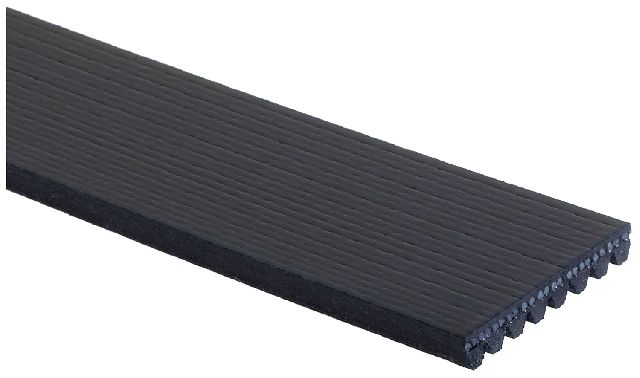
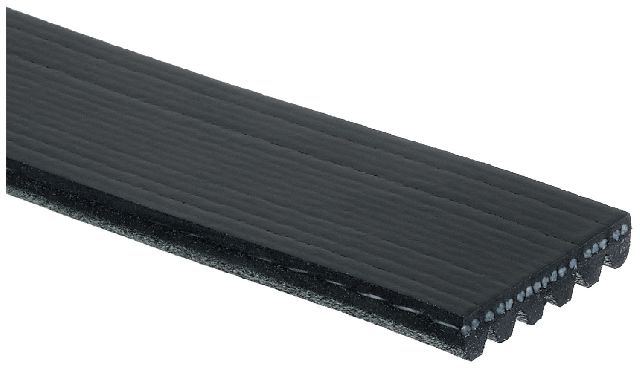
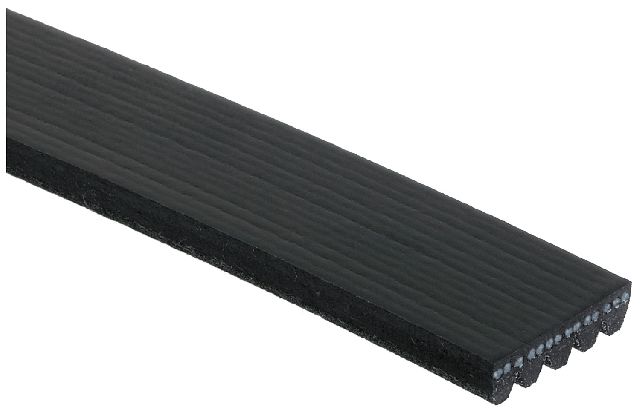
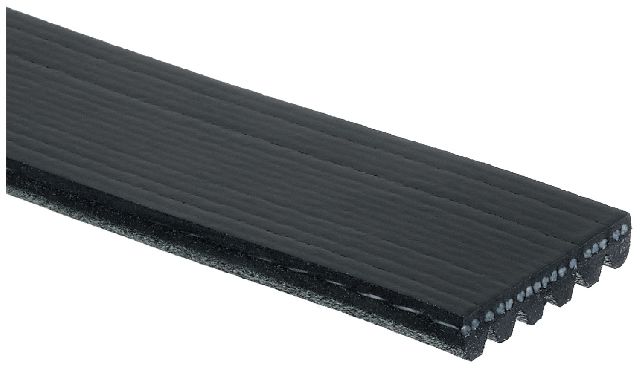
Older trucks used multiple V-belts to run accessories. Your 1987-1999 Peterbilt 357 uses a more modern single serpentine belt system. A serpentine belt is wider, thinner, and has multiple ribs, while a V-belt is thicker and shaped like a V. Serpentine systems are generally more efficient and easier to maintain.
Are there any recalls for the Peterbilt 357 serpentine belt?
No, there are no specific NHTSA recalls or Technical Service Bulletins (TSBs) for the serpentine belt on the 1987-1999 Peterbilt 357. This is a standard maintenance and wear item, so failures are handled as routine repairs rather than recalls.
Technical Specifications
The correct serpentine belt is determined by your Peterbilt 357's engine (e.g., Caterpillar 3406, Cummins N14, etc.), model year, and accessory configuration (with/without A/C, specific alternator). Belt length and rib count are the critical specifications.
We Have This Part in Stock

The information in this article is provided for general reference and educational purposes only. Vehicle specifications, procedures, and part compatibility can vary by production date, trim level, and region. Always consult your vehicle's factory service manual and verify part numbers before purchasing or performing repairs. Safety-critical components such as airbags, seat belts, and braking systems should be installed by a qualified professional.
- Peterbilt 357: