

Peterbilt 357 Radiator Coolant Hose: A Guide for the 1987-1999 Workhorse
Keep your Peterbilt 357's engine cool and avoid costly downtime by knowing when and how to replace your radiator hoses.
- A failing radiator hose will cause overheating, which can destroy your engine. Do not drive with a bad hose.
- Symptoms include leaks, a sweet smell, and hoses that are swollen, soft, or cracked.
- Quality aftermarket brands like Gates and Continental are reliable, cost-effective choices for this vehicle.
- For preventative maintenance, always replace hoses in pairs (upper and lower) and use new clamps.
Signs of a Failing Radiator Hose
A failed radiator hose on a Peterbilt 357 can bring your work to a halt. Because these trucks work hard, their cooling system components are under constant stress. Hoses are wear items; heat, pressure, and vibration eventually cause the rubber to break down. Catching the signs of failure early can save you from a roadside breakdown and expensive engine repairs.
Key Failure Symptoms
- Visible Coolant Leaks: The most obvious sign is puddles of green, yellow, or pink coolant under the front of your truck. Check around hose clamps and connections, as these are common leak points.
- Engine Overheating: If your temperature gauge is in the red, a leaking or collapsed hose could be the culprit. A lack of coolant means the engine cannot cool itself effectively.
- Spongy or Swollen Hoses: With the engine cool, squeeze the hoses. If a hose feels mushy, soft, or looks swollen, its internal structure is failing and it could burst under pressure.
- Hard or Cracked Hoses: Hoses that feel brittle, hard, or show visible cracks are dried out from age and heat. They can split open suddenly.
- Sweet Smell: The distinct, sweet smell of antifreeze from the engine bay indicates a coolant leak, even if you can't see it.
Choosing the Right Aftermarket Hose: OEM vs. Aftermarket
For a truck that is potentially over 25 years old, finding original equipment (OEM) hoses can be difficult and expensive. High-quality aftermarket brands offer an excellent alternative, often meeting or exceeding original specifications. For the Peterbilt 357, brands like Continental and Gates are well-regarded in the heavy-duty truck industry.
- Tier 1 Aftermarket (Continental, Gates): These brands are known for producing durable EPDM rubber hoses that are resistant to heat, abrasion, and electrochemical degradation (which breaks down hoses from the inside). They are a reliable choice for a work truck and are engineered to fit correctly, which is crucial for avoiding kinks and flow restrictions. While fitment issues can occasionally occur with any aftermarket part, these brands are generally considered safe bets.
- OEM: While always a benchmark for quality, OEM hoses for this vintage may be scarce and come at a premium price. A quality aftermarket hose will provide similar performance and longevity for a lower cost.
Pro Tip: When replacing one radiator hose, it's smart to replace both the upper and lower hoses at the same time. Also, install new hose clamps. This preventative maintenance ensures the entire system is refreshed and reduces the chance of another failure soon after.
Known Issues, Recalls, or Service Bulletins
Searches for official recalls and Technical Service Bulletins (TSBs) from the NHTSA and Peterbilt did not reveal any specific issues related to radiator coolant hoses for the 1987-1999 Peterbilt 357 model range. Failures on these trucks are almost always due to the age and wear-and-tear inherent in a hard-working vehicle's cooling system.
Cost to Replace Peterbilt 357 Radiator Hoses
The cost can vary based on labor rates in your area and the specific parts needed. Below is an estimated breakdown.
| Item | Estimated Cost |
|---|---|
| New Aftermarket Radiator Hose (per hose) | $84.18 - $124.47 |
| Shop Labor | $200 - $400 |
| Total Estimated Cost (Parts + Labor) | $285 - $525 |
Frequently Asked Questions (FAQ)
Can I drive my Peterbilt 357 with a leaking radiator hose?
No. Driving with a leaking hose will lead to rapid coolant loss, causing the engine to overheat. This can result in severe and catastrophic engine damage, such as warped cylinder heads or a seized engine. It is critical to stop driving immediately and address the leak.
Should I use silicone hoses on my Peterbilt 357?
Silicone hoses are a premium upgrade that offer superior durability and temperature resistance compared to standard EPDM rubber hoses. For a work truck that sees heavy use, they can be a worthwhile investment for long-term reliability, though they come at a higher initial cost.
Do I need special tools to replace a radiator hose on a 357?
Standard mechanic's tools are usually sufficient: a drain pan, screwdrivers or a socket set for the clamps, and pliers. A hose pick tool can be very helpful for breaking the seal on old, stuck hoses. Due to the size of the truck, accessing the lower hose and its clamps may be the most challenging part of the job.
What type of coolant should I use in my 1987-1999 Peterbilt 357?
Always use the coolant type specified for your truck's engine (e.g., Caterpillar, Cummins, Detroit Diesel). Using the wrong type of coolant can cause corrosion or gelling within the cooling system. Check your owner's manual or the engine manufacturer's specifications. After replacing the hoses, the system must be refilled and properly bled of air to function correctly.
Technical Specifications
OEM Part Numbers: 07-06927 (related lower coolant tube)
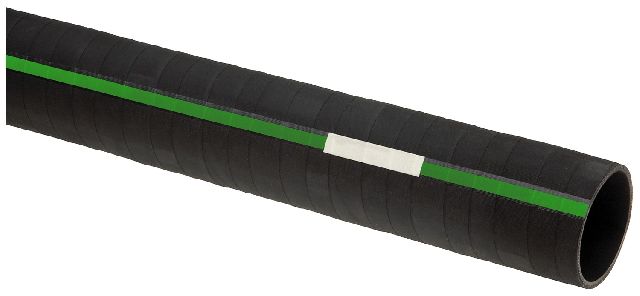
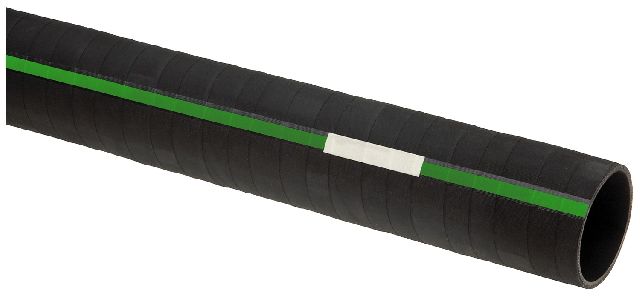
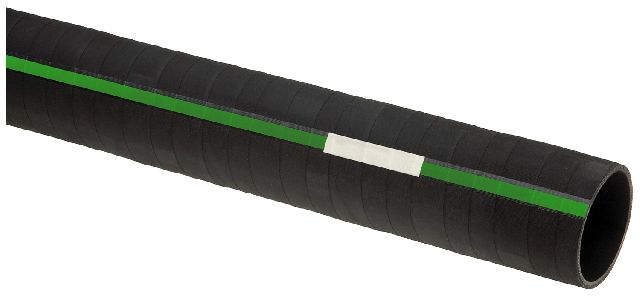
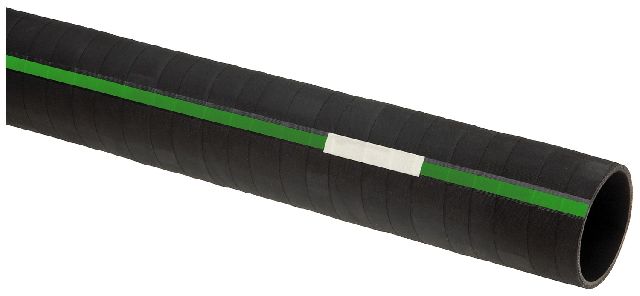
Hoses are typically made from EPDM (Ethylene Propylene Diene Monomer) rubber or silicone, and are molded to fit specific engine configurations (e.g., Cummins, Caterpillar). They must withstand high pressure and temperatures.
We Have This Part in Stock

The information in this article is provided for general reference and educational purposes only. Vehicle specifications, procedures, and part compatibility can vary by production date, trim level, and region. Always consult your vehicle's factory service manual and verify part numbers before purchasing or performing repairs. Safety-critical components such as airbags, seat belts, and braking systems should be installed by a qualified professional.
- Peterbilt 357: