

Dodge Dakota Transmission Filter Kit Guide (1987-1999)
Keep your Dakota's automatic transmission shifting smoothly by choosing the right filter kit.
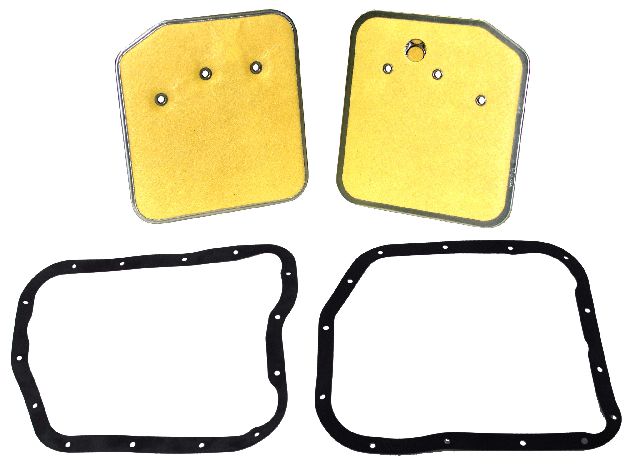
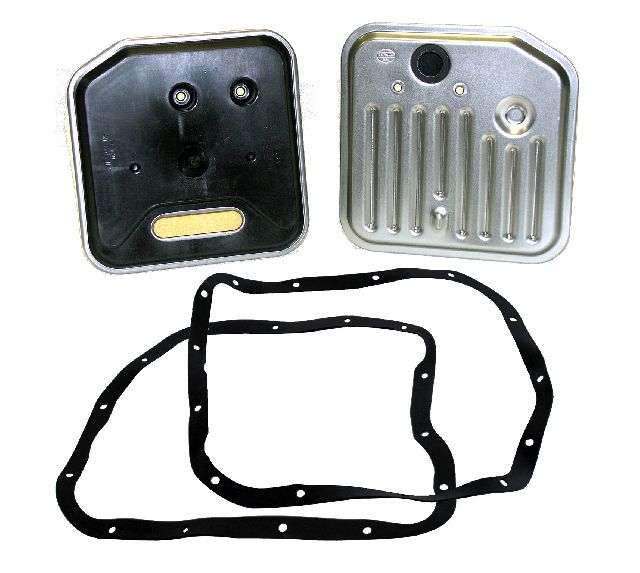
- Verify your specific transmission (e.g., A500, A518) to ensure you buy the correct kit, as filters and gaskets vary.
- Use only ATF+4 or ATF+3 transmission fluid; using other types like Dexron/Mercon can damage your transmission.
- Invest in a quality aftermarket kit (like Wix or ACDelco) with a good rubber gasket to prevent frustrating leaks after the job is done.
- Changing the filter is a messy but straightforward DIY job; clean all mating surfaces thoroughly and torque pan bolts to spec.
Understanding Your Dakota's Transmission

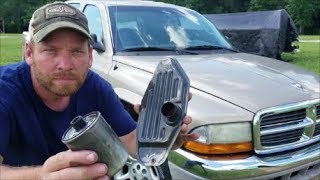
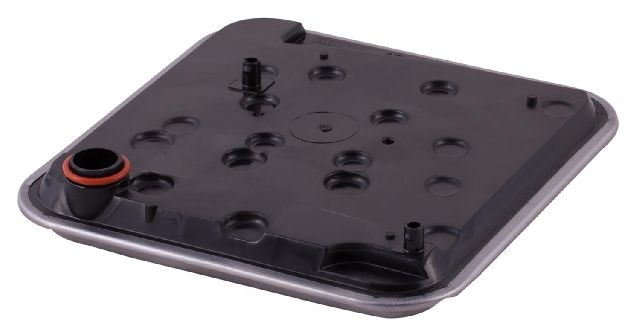
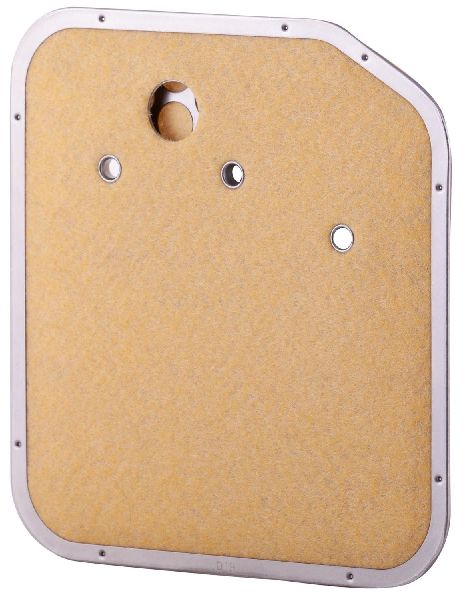
The 1987-1999 Dodge Dakota used several Chrysler-built automatic transmissions, most commonly the A500 (also known as 42RE/42RH) and the A518 (46RE/46RH). The V6 models typically have the A500, while V8 models often have the heavier-duty A518. Some later models feature two filters: a primary filter in the pan and a secondary spin-on filter for the cooler lines. 🎬 Watch this guide to locate and replace both transmission filters. It is critical to identify your specific transmission to get the correct filter kit, as the pan shape, gasket, and filter type can vary. You can often identify it by counting the pan bolts or checking the shape of the pan.
Symptoms of a Clogged Transmission Filter

When the filter gets clogged, fluid flow is restricted, which can starve the transmission of the pressure it needs to operate. Ignoring these signs can lead to serious transmission damage. Look out for these common symptoms:
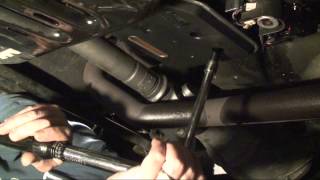
- Delayed or Rough Shifting: The truck may hesitate or shift harshly between gears. 🎬 See how to troubleshoot common Dakota automatic shifting problems.
- Whining or Grinding Noises: A struggling transmission pump trying to pull fluid through a clogged filter can cause a distinct whining sound.
- Slipping Out of Gear: The transmission may unexpectedly slip out of gear while driving.
- Sluggish Acceleration: The truck may feel underpowered because the transmission isn't transferring power correctly.
- Fluid Leaks: Increased pressure from a blockage can sometimes cause gaskets or seals to leak. A common issue on these trucks is a leaking pan gasket, which should be addressed during the filter service.
Check Your Fluid
Periodically check your transmission fluid. It should be translucent red. If it's dark brown, smells burnt, or has metal particles in it, your filter is likely clogged and the fluid is worn out.
Choosing the Right Aftermarket Filter Kit

For a routine part like a transmission filter, a quality aftermarket kit is a perfectly reliable choice and can save you money over OEM parts. The most important factors are the quality of the filter media and, crucially, the pan gasket. A cheap, poorly made gasket is a common cause of leaks after a transmission service.
Here's a breakdown of common brand tiers:
- Premium Aftermarket (Wix, ACDelco Gold): Brands like Wix are well-regarded by mechanics and DIYers for their filter quality. An ACDelco Gold kit is also a strong choice, often including multiple gasket types to ensure a proper fit. These kits are a smart investment to avoid doing the job twice.
- Standard Aftermarket (ATP, Premium Guard): ATP is a common brand in the transmission parts world. These kits offer a good balance of price and quality for regular maintenance. They often meet or exceed OEM specifications.
- Economy Brands: While the lowest price is tempting, be cautious. These kits may use lower-quality filter material or gaskets (like basic cork) that are prone to leaking if not installed perfectly. For the small price difference, stepping up to a standard or premium brand is highly recommended to prevent frustrating leaks.
Pro Tip: Gasket Choice Matters
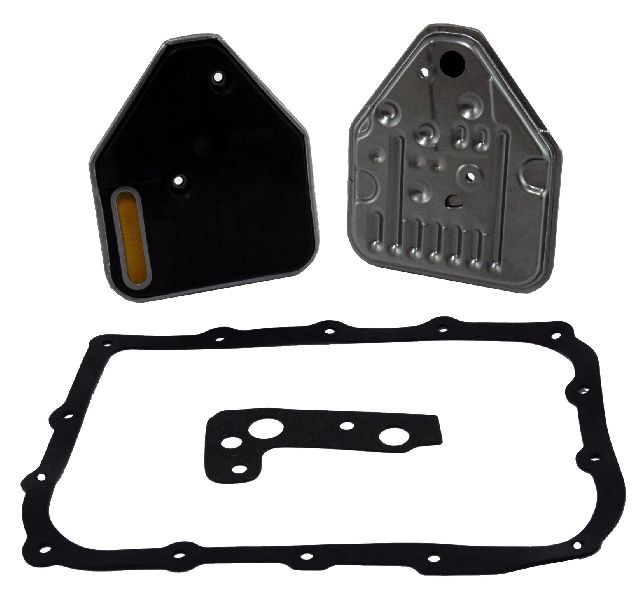
Many owners and mechanics prefer rubber or Duraprene gaskets over basic cork gaskets. They are more forgiving and less likely to leak if the pan bolts are slightly over or under-torqued. Some kits, like those from ATP, may include a "3rd Hand" gasket with holes that hold the bolts in place for easier installation.
Known Issues, Recalls, and TSBs
For the 1987-1999 model years, there are no specific recalls or Technical Service Bulletins (TSBs) directly related to the transmission filter itself. However, there were several recalls for the vehicles, including one for 2000 models where transmission fluid could be expelled from the fill tube onto the hot exhaust, posing a fire risk. While this doesn't directly affect the filter, it highlights the importance of maintaining the transmission system. Many owner complaints revolve around pan gasket leaks after a service, often due to using a low-quality gasket or incorrect installation.
Estimated Costs for Transmission Filter Kit Replacement

| Item | Estimated Cost |
|---|---|
| New Aftermarket Transmission Filter Kit | $15 - $57 |
| Shop Labor | $100 - $200 |
| Transmission Fluid (4-6 quarts of ATF+4) | $40 - $80 |
| Total DIY Cost (Parts Only) | $55 - $137 |
| Total Professional Replacement | $155 - $337 |
Frequently Asked Questions
How often should I change my Dakota's transmission filter?
For general use, changing the transmission fluid and filter every 30,000 to 60,000 miles is a good rule of thumb. If you frequently tow or haul heavy loads, consider servicing it more often, such as every 25,000 to 30,000 miles, as heat and stress break down the fluid faster.
What kind of transmission fluid do I need for my 1987-1999 Dakota?
You must use a fluid that meets Chrysler's specifications. For these model years, use only ATF+3 or ATF+4 fluid. ATF+4 is a full synthetic fluid that is backward-compatible and can be used where ATF+3 was originally specified. Do not use Dexron or Mercon fluids in your Chrysler transmission.
Is changing the transmission filter a DIY job?
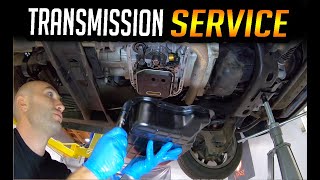
Yes, for someone with basic mechanical skills, this is a manageable DIY project. The main challenges are dealing with the mess of draining the fluid and ensuring the pan and transmission surfaces are perfectly clean before installing the new gasket to prevent leaks. The job involves removing the transmission pan bolts, carefully lowering the pan, replacing the filter, cleaning all surfaces, and reinstalling with a new gasket.
🎬 Follow this step-by-step walkthrough for a fluid and filter change.My pan is leaking after I changed the filter. What did I do wrong?
This is a common problem. The most likely causes are a low-quality gasket, an unevenly tightened pan, or a dirty or damaged sealing surface on the pan or transmission. Always use a torque wrench to tighten the pan bolts to the factory specification (typically around 12-14 ft-lbs) in a crisscross pattern to ensure even pressure. If the leak persists, the pan itself might be warped or the leak could be coming from a different seal (like the dipstick tube) and running down to the pan rail.
Helpful Videos
Technical Specifications
OEM Part Numbers: 3515996 4295875 2464324
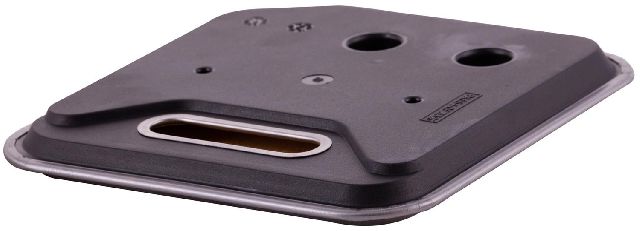
Kit typically includes one filter and one pan gasket. Some transmissions (42RE, 46RE, etc.) may have a secondary spin-on filter. Ensure the kit matches your specific transmission model (A500, A518, etc.). Fluid requirement is ATF+4 or ATF+3.
We Have This Part in Stock

The information in this article is provided for general reference and educational purposes only. Vehicle specifications, procedures, and part compatibility can vary by production date, trim level, and region. Always consult your vehicle's factory service manual and verify part numbers before purchasing or performing repairs. Safety-critical components such as airbags, seat belts, and braking systems should be installed by a qualified professional.
- Dodge Dakota: