

Peterbilt 320 Serpentine Belt Replacement Guide (1987-1996)
Keep your Peterbilt 320 workhorse reliable by choosing the right serpentine belt for your specific engine.
- You must verify your truck's specific engine and accessory configuration to get the correct belt; there is no single part for all 1987-1996 models.
- For a work truck, a premium aftermarket brand like Gates FleetRunner or Continental Elite offers the best combination of reliability and value.
- A squealing noise is not always the belt; it can also be a weak tensioner or a failing pulley bearing.
- Always inspect the tensioner and all idler pulleys for noise or wobble when you replace the belt to prevent premature failure of the new part.
Symptoms of a Failing Serpentine Belt
A failing serpentine belt gives clear warning signs. Ignoring them can lead to a breakdown and potential engine damage from overheating. Look for these symptoms during your regular vehicle inspections.
Critical Failure Warning
If your belt breaks completely, your truck will lose power steering assist and the water pump will stop circulating coolant. The engine will overheat very quickly, which can cause severe and expensive damage. If the belt fails while driving, pull over safely as soon as possible and shut off the engine.
- Squealing or Chirping Noises: This is the most common symptom. The noise may be constant or happen only during startup, acceleration, or on damp days. While it can indicate a worn belt, it can also point to a failing tensioner or a misaligned pulley.
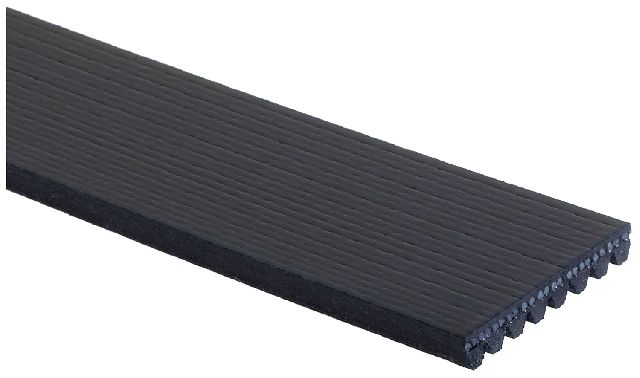
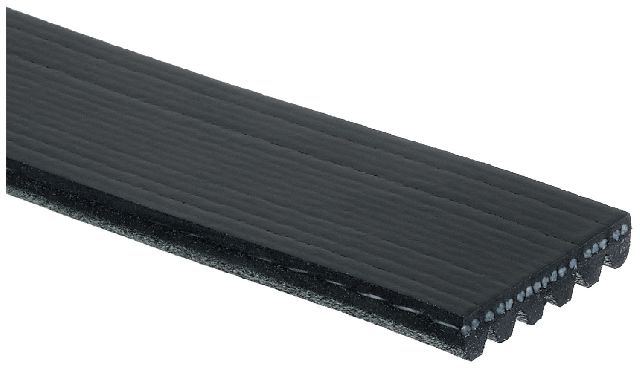
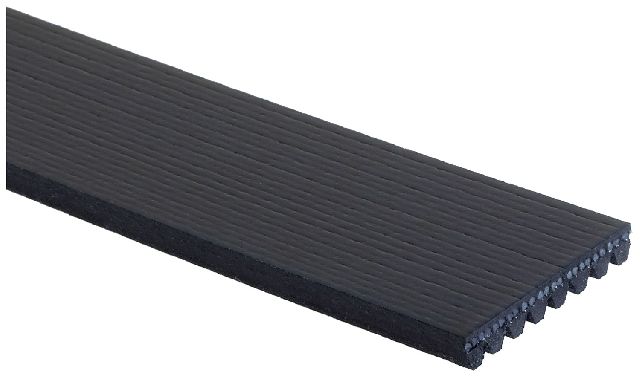
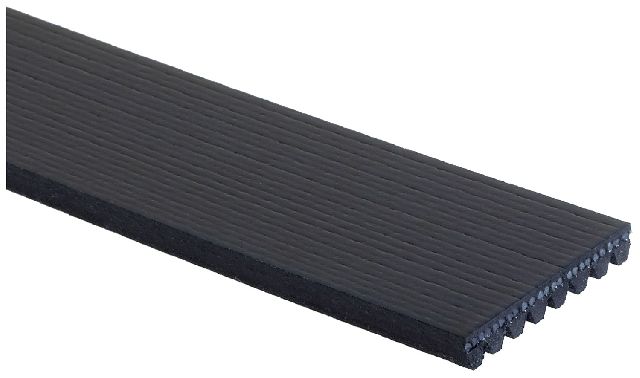
- Visible Damage: Look at the belt closely. Signs of wear include cracks, glazing (a shiny, smooth surface), fraying, or missing chunks of the ribbed section. Modern EPDM belts often wear down by losing material, like a tire, rather than showing deep cracks.
- Accessory Problems: If you notice dimming headlights (alternator issue), difficulty steering (power steering issue), or your engine temperature climbing (water pump issue), the belt may be slipping and failing to properly power those components.
Choosing the Right Aftermarket Serpentine Belt
The single most important factor when buying a new serpentine belt for your 1987-1996 Peterbilt 320 is ensuring it is the correct size for your specific engine and accessory package. This model came with various engine options from manufacturers like Cummins, and the belt length and number of ribs can change based on whether you have A/C or other options. Always verify your engine details or measure your old belt if possible before ordering.
Aftermarket Brand Quality
For a work truck, reliability is everything. While OEM PACCAR belts are available, high-quality aftermarket belts often meet or exceed OEM specifications and offer better value. The available brands can be grouped into tiers based on reputation in the heavy-duty industry.
- Premium / Heavy-Duty Brands (Gates, Continental): These brands are widely respected and often serve as the original equipment manufacturer for many truck builders. Gates offers a "FleetRunner" line specifically for heavy-duty applications, known for its durability and resistance to high temperatures. Continental (which now produces the former Goodyear Gatorback belts) is also a top choice, with its Elite series noted for quiet operation. For a mission-critical truck like the 320, choosing one of these brands is a sound investment.
- Standard / Economy Brands (Dayco): Dayco is a well-known brand that produces reliable belts. While some professional mechanics have mixed opinions when compared to Gates or Continental, they are a cost-effective option that meets industry standards. They are a suitable choice for less critical applications or if budget is the primary concern.
Pro Tip: Check the Pulleys
When the belt is off, inspect every pulley it touches. Spin the idler pulleys and accessory pulleys (alternator, etc.) by hand. They should spin smoothly with no noise or wobble. The tensioner pulley should be firm and provide strong resistance. A weak tensioner or a bad pulley will destroy a new belt quickly.
Frequently Asked Questions
Why are there so many different belts listed for my truck?
The 1987-1996 Peterbilt 320 was available with multiple engine options (e.g., Cummins, Caterpillar) and different accessory configurations (with or without A/C, different alternator sizes). Each unique combination requires a specific belt length and sometimes a different number of ribs. You must match the belt to your exact setup.
Can I replace the serpentine belt myself?
Yes, this is a feasible DIY job for someone with mechanical experience. The process involves using a long 1/2-inch drive breaker bar or ratchet to release the spring-loaded tensioner, slipping the old belt off, routing the new one correctly (take a picture first!), and releasing the tensioner. Access is made easier on the 320 by the tilt-forward cab design.
How often should I replace my serpentine belt?
There is no universal mileage. As a preventative measure, many fleet mechanics change belts annually or every 100,000-150,000 miles. For any owner, the best practice is to inspect the belt during every oil change for signs of wear like cracks, fraying, or glazing and replace it when these signs appear.
What does EPDM mean?
EPDM (Ethylene Propylene Diene Monomer) is a durable synthetic rubber used in modern, high-quality serpentine belts. Unlike older neoprene belts that would crack visibly with age, EPDM belts are more resistant to heat and wear down over time by losing material, similar to a tire tread. This makes them last longer but requires careful inspection for wear.
Technical Specifications
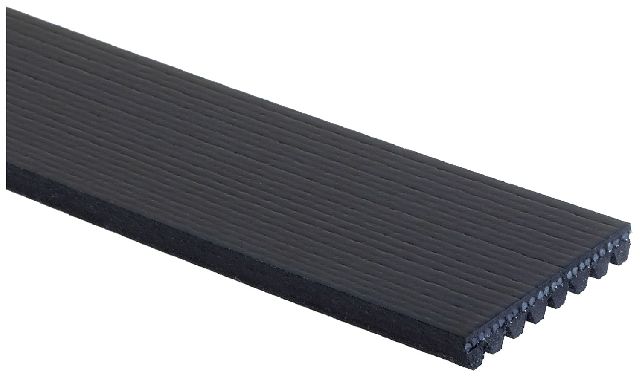
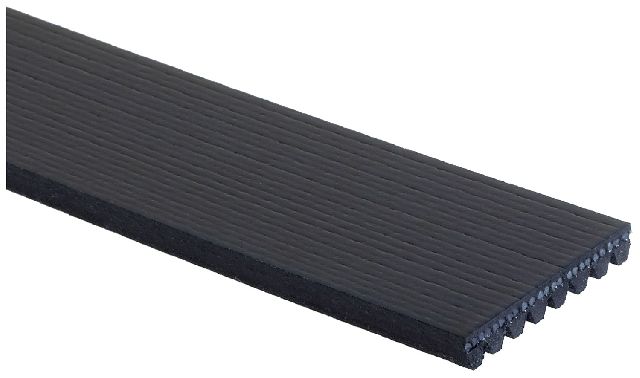
Belt length, material (EPDM), and rib count are the key specifications. These vary significantly based on the specific engine (e.g., Cummins, Caterpillar) and accessories (e.g., with/without A/C) installed in the truck. Common aftermarket heavy-duty part numbers can cross-reference to multiple OEM numbers. Example part numbers include Gates K080560HD and Dayco 5080560.
We Have This Part in Stock

The information in this article is provided for general reference and educational purposes only. Vehicle specifications, procedures, and part compatibility can vary by production date, trim level, and region. Always consult your vehicle's factory service manual and verify part numbers before purchasing or performing repairs. Safety-critical components such as airbags, seat belts, and braking systems should be installed by a qualified professional.
- Peterbilt 320: