

Ford LS9000 (1987-1996) Engine Coolant Bypass Hose Facts
Don't let a bad coolant hose sideline your heavy-duty Ford; here is what you need to know.
- A failing bypass hose will cause coolant leaks and can lead to severe engine overheating.
- For a truck this old, a high-quality aftermarket hose from a brand like Gates is the best and most realistic option.
- You must confirm your LS9000's specific engine (e.g., Cummins, Caterpillar) before ordering, as the hose shape varies.
- If the bypass hose has failed due to age, it is wise to replace the upper and lower radiator hoses and clamps at the same time.
Is Your LS9000's Engine At Risk? Signs of a Failing Bypass Hose
A bad coolant bypass hose is a serious issue for any working truck. Because these hoses are made of rubber and are constantly exposed to high temperatures and pressure, they will eventually break down. If you see any of these signs, it's time to inspect your cooling system immediately. Ignoring them can lead to your truck's engine overheating, leaving you stranded and facing expensive repairs.
- Coolant Leaks: This is the most obvious symptom. You may find puddles of bright green, orange, or yellow fluid under the front of your truck. Even a small leak can leave crusty residue on the engine near the hose.
- Sweet Smell: A distinct sweet odor from the engine bay is a classic sign of an external coolant leak, even if it's too small to drip onto the ground.
- Visible Hose Damage: When the engine is cool, check the hose. If it looks cracked, split, swollen, or feels mushy or overly hard, it needs to be replaced. These are signs the rubber is compromised and could burst at any moment.
- Engine Overheating: If the hose fails completely, the rapid loss of coolant will cause your engine's temperature gauge to climb into the red very quickly. Steam from under the hood is a major warning sign.
Critical Component Warning
Do not ignore symptoms of a bad coolant hose. A sudden hose failure will cause a rapid loss of coolant, leading to severe engine overheating and potentially catastrophic damage to your LS9000's engine.
Choosing the Right Aftermarket Hose for Your LS9000
For a vehicle from this era, finding new original equipment (OEM) Ford parts is highly unlikely. The aftermarket is your primary and most realistic source for a replacement coolant bypass hose. Fortunately, reputable aftermarket brands often meet or exceed the original specifications with modern materials.
Brand Focus: Gates
Gates is a well-known and respected manufacturer of belts and hoses in the automotive industry. Their molded coolant hoses are designed to be a direct-fit replacement, matching the specific bends and shape required for your engine. This is crucial, as the Ford LS9000 was available with different engines (e.g., Cummins, Caterpillar), and the hose shape varies between them. Gates hoses are made with materials like EPDM rubber to resist heat, chemicals, and degradation, making them a reliable choice for a hard-working truck. Forum discussions among vehicle owners often point to Gates as having good fitment and quality.
Pro Tip: Check Your Engine
Before ordering, you must confirm which engine your specific LS9000 has. The part number and shape of the bypass hose are engine-specific. Ordering the wrong hose will lead to fitment issues and project delays.
Cost to Replace the Engine Coolant Bypass Hose
The cost can be broken down into the part itself and the labor to install it. Below is an estimated cost breakdown for the 1987-1996 Ford LS9000.
| Item | Estimated Cost |
|---|---|
| New Aftermarket Hose (e.g., Gates) | $68 - $302 |
| Shop Labor | $150 - $300 |
| Total Estimated Cost | $218 - $602 |
Frequently Asked Questions (FAQ)
If one coolant hose is bad, should I replace others?
Yes. All the rubber hoses in your cooling system are the same age and have been exposed to the same heat and pressure. If the bypass hose has failed due to age, the main radiator hoses and heater hoses are likely weak as well. It is good preventative maintenance to replace them all at the same time to prevent future breakdowns.
Can I use a universal or straight hose?
It is not recommended. The bypass hose is a molded hose, meaning it is pre-shaped with specific bends to route around other engine components without kinking. Using a straight hose can cause it to kink, which restricts coolant flow and can lead to overheating. Always use a molded hose designed for your specific engine.
What else should I check when replacing the hose?
When replacing the hose, it's a good time to inspect the entire cooling system. Check the radiator for leaks or damage, test the thermostat, and inspect the water pump for any signs of weeping from its seals. Always replace the hose clamps with new ones; spring-style clamps are often preferred over worm-gear clamps as they maintain constant tension as the hose expands and contracts.
Were there any recalls for the LS9000 cooling system?
Searches of the NHTSA database did not show any specific recalls for the engine coolant bypass hose on the 1987-1996 Ford LS9000. Recalls for cooling systems on other Ford vehicles exist, but none were found to be applicable to this specific part and model range.
Technical Specifications
The key specification is the engine application. The hose is specifically molded to fit a particular engine (e.g., Cummins, Caterpillar, Ford) used in the LS9000 chassis. Always verify the engine before purchase.
We Have This Part in Stock
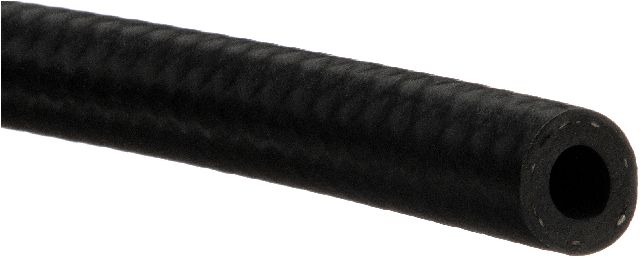
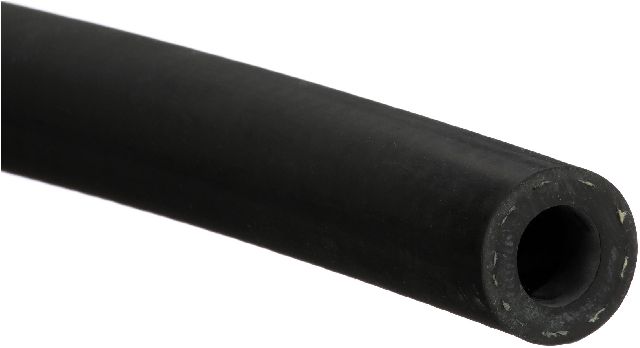

The information in this article is provided for general reference and educational purposes only. Vehicle specifications, procedures, and part compatibility can vary by production date, trim level, and region. Always consult your vehicle's factory service manual and verify part numbers before purchasing or performing repairs. Safety-critical components such as airbags, seat belts, and braking systems should be installed by a qualified professional.
- Ford LS9000: