

GMC G1500 1987-1995 Catalytic Converter Replacement Guide
Everything you need to know before replacing the catalytic converter on your 1987-1995 GMC G1500 van.
- Symptoms are physical (power loss, rattling) as most of these vans are pre-OBDII.
- You MUST check if your state requires a Federal (cheaper) or CARB (more expensive) compliant converter.
- A direct-fit model is strongly recommended over a universal one to save on labor costs.
- Fix any engine issues like misfires or oil burning BEFORE installing a new converter to prevent repeat failure.
Is Your G1500's Catalytic Converter Failing?
On a van from this era, the signs of a bad catalytic converter are usually very noticeable. Because most 1987-1994 models use an OBD-I diagnostic system, you likely won't get a specific "Check Engine" light code for converter failure like on newer vehicles. Instead, you need to pay attention to how your van drives and sounds.
Common Symptoms of Failure:
- Loss of Power: This is the most common sign. If your van struggles to accelerate, especially going uphill or under load, the converter may be clogged. A blockage in the exhaust creates backpressure, which chokes the engine.
- Rattling Noises: If you hear a rattling or shaking sound from under the vehicle, especially at idle or when revving the engine, the ceramic honeycomb inside the converter has likely broken apart.
- Rotten Egg Smell: A strong smell of sulfur or rotten eggs from the exhaust indicates the converter is not processing the exhaust gases correctly.
- Excessive Heat: An unusually high amount of heat radiating from the floor, directly under the vehicle, can be a sign of a clogged converter working overtime.
- Poor Fuel Economy: When the engine has to work harder to push exhaust gases through a clog, your gas mileage will suffer.
Don't Ignore a Clogged Converter
Continuing to drive with a severely clogged catalytic converter can cause serious engine damage. The excessive backpressure can lead to overheating, exhaust leaks, and even complete engine failure in extreme cases.
Choosing the Right Aftermarket Converter
For a vehicle of this age, finding a new OEM converter from GM is nearly impossible and would be extremely expensive. The aftermarket is your only realistic option. Aftermarket converters are categorized by their emissions compliance and build quality. Your choice depends on your budget, your state's laws, and how long you plan to keep your van.
Step 1: Check Your State's Emission Laws
Before you buy, you must know what your state requires. This is the most important step.
- Federal / EPA Compliant: These are legal in most states. They are the most affordable option but may have a shorter lifespan as they contain fewer precious metals.
- CARB Compliant: Required for vehicles registered in California and adopted by several other states (like New York and Colorado). CARB converters are more expensive because they are built to a higher standard with more catalyst material to meet stricter emissions rules. Even if not required in your state, a CARB-compliant converter is a higher-quality part that will likely last longer.
Step 2: Select a Brand Tier
Aftermarket brands for your G1500 generally fall into three categories:
Economy & Standard Replacements
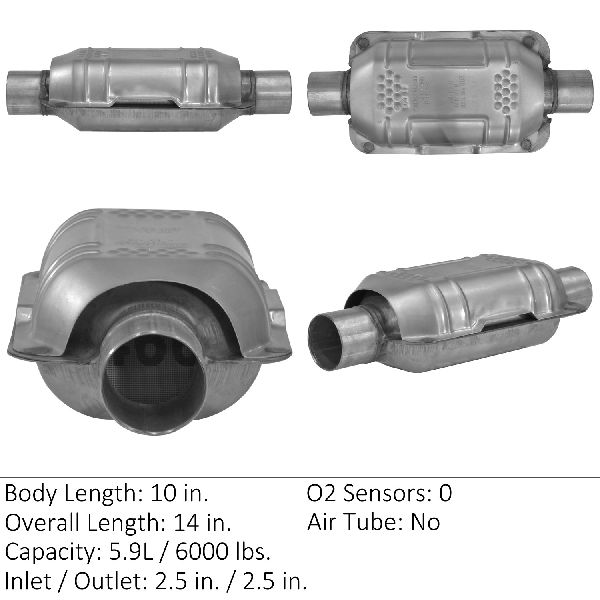
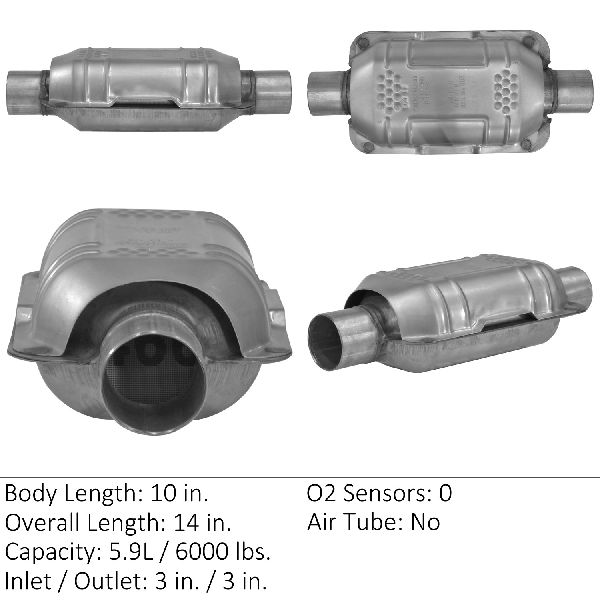
Brands: AP Exhaust, Eastern Catalytic
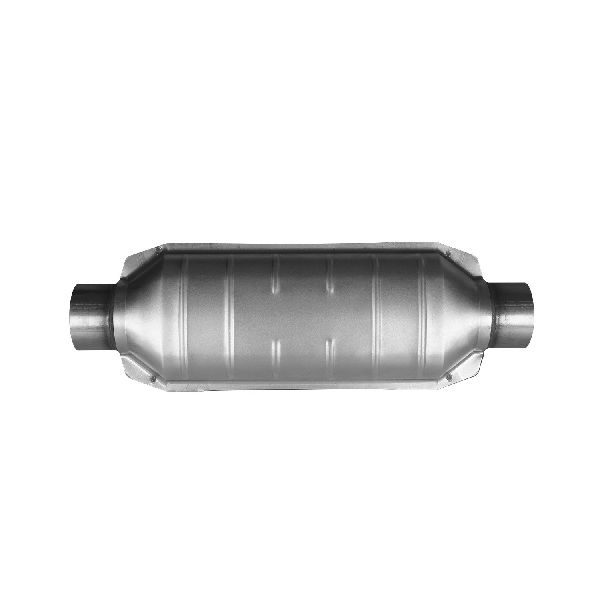
These brands offer the most affordable direct-fit and universal converters. They are a good choice for budget-conscious repairs where the primary goal is to solve a problem and pass a basic emissions test. While many users have success with them, there are reports of inconsistent weld quality and shorter service life compared to premium brands. Think of these as a functional fix that might not last the remaining life of the vehicle.
OEM-Quality Replacements
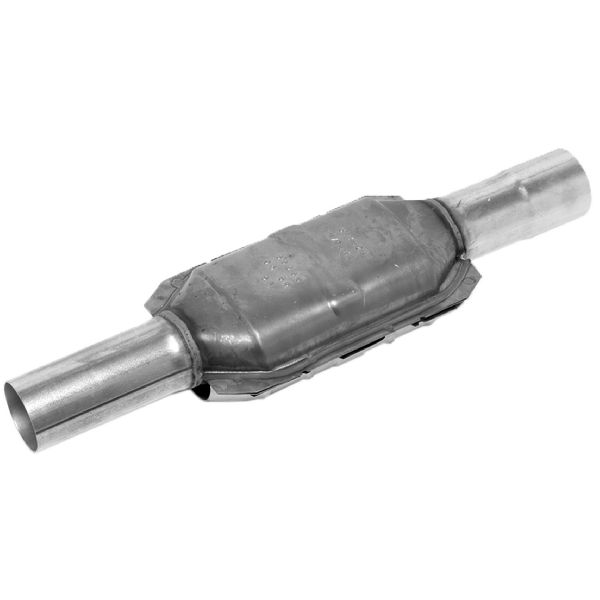
Brand: Walker Exhaust
Walker is a well-respected name that also supplies parts directly to automakers. Their converters are known for good, reliable fitment that matches the original design, making installation easier. They represent a middle ground in price and are considered a durable, long-term repair. Some forum users have noted issues with rust on the aluminized steel bodies after several years in salty climates, but overall they are a trusted choice.
Premium & Performance Replacements
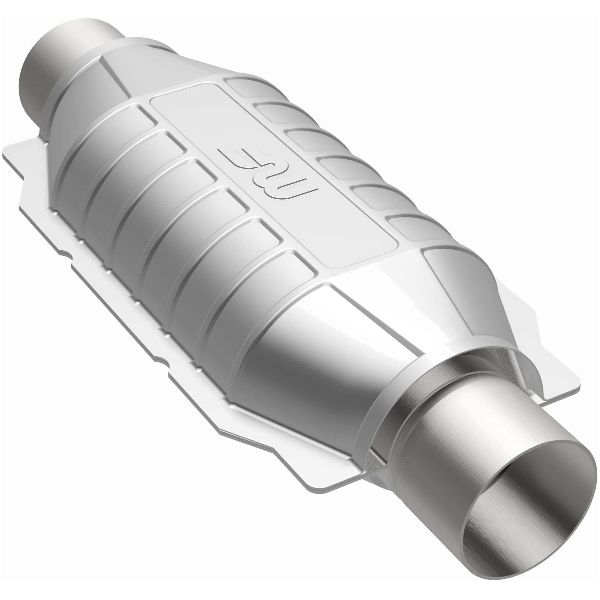
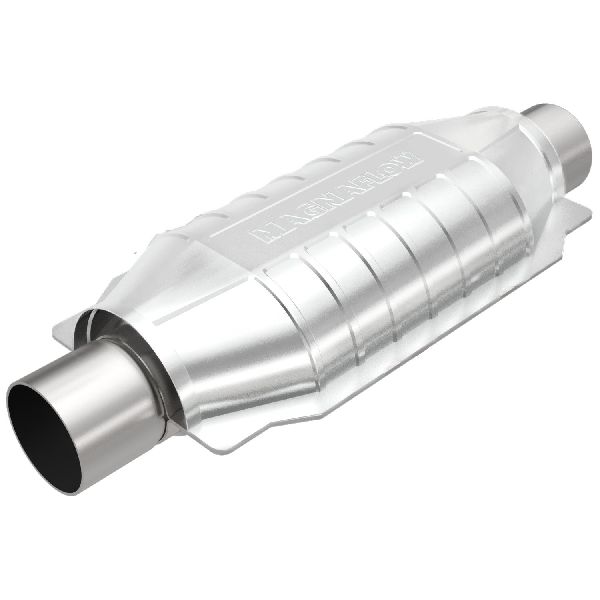
Brands: MagnaFlow, MagnaFlow Performance Exhaust
MagnaFlow is known for high-quality, stainless steel construction that resists rust and corrosion. Their converters often feature improved exhaust flow, which can slightly enhance engine performance and sound. While they are the most expensive aftermarket option, they are built to last and are often preferred by exhaust shops for their reliability and build quality. If you want the best possible replacement that may even outlast other components on your van, MagnaFlow is the top choice.
Pro Tip: Direct-Fit vs. Universal
For the 1987-1995 G1500, a direct-fit converter is highly recommended. It is designed to bolt into the stock location with minimal or no modifications, saving significant time and labor costs. A universal converter is cheaper but requires cutting and welding the exhaust pipes to fit, which increases installation complexity and cost.
How Much Does a New Catalytic Converter Cost?
The total cost depends on the part you choose and local labor rates. Given the age of the van, be prepared for potential extra costs if bolts are rusted and seized.
| Item | Estimated Cost |
|---|---|
| New Aftermarket Part | $85 - $1,025 |
| Shop Labor | $100 - $250 |
| Total Estimated Cost | $185 - $1,275 |
Frequently Asked Questions
Do I need to replace my oxygen sensors with the converter?
It is highly recommended. A failing catalytic converter can be caused by a bad oxygen sensor providing incorrect fuel mixture readings. A new converter can be quickly damaged by a faulty sensor. Replacing them at the same time is cheap insurance for your new part.
Why did my original converter fail? Can I prevent it from happening again?
Converters can fail from old age, but they are often killed by an engine problem. An engine that burns oil or coolant, or has a persistent misfire, can send unburned fuel and contaminants into the exhaust, which melts or clogs the converter. Before installing a new converter, make sure your G1500's engine is in good tune-up condition to protect your investment.
Will a new converter change the sound of my van?
If you are replacing a clogged or hollowed-out converter, a new one will likely make your exhaust quieter and smoother, returning it to a stock-like sound. A high-flow performance model from a brand like MagnaFlow might give your van a slightly deeper, more aggressive tone.
Are there any recalls for the G1500 catalytic converter?
No. Searches of the National Highway Traffic Safety Administration (NHTSA) database show no open recalls or technical service bulletins (TSBs) for the catalytic converter on the 1987-1995 GMC G1500. Any issues are due to age and wear.
Technical Specifications
All 1987-1995 GMC G1500 models were originally equipped with a catalytic converter from the factory. Most configurations use a single exhaust system. The key specification is the emissions compliance: Federal (EPA) or California (CARB).
We Have This Part in Stock

The information in this article is provided for general reference and educational purposes only. Vehicle specifications, procedures, and part compatibility can vary by production date, trim level, and region. Always consult your vehicle's factory service manual and verify part numbers before purchasing or performing repairs. Safety-critical components such as airbags, seat belts, and braking systems should be installed by a qualified professional.
- GMC G1500: