

Dodge Grand Caravan Automatic Transmission Mount Guide (1987-1995)
Clunks, bangs, and vibrations in your first-generation Grand Caravan could point to a failing transmission mount.
- A clunking noise when shifting into gear is the most common sign of a failed mount.
- Aftermarket brands like Anchor, DEA, and Westar are affordable but may have mixed longevity.
- For 1992 models, be aware of a specific factory recall related to the transmission mounting boss.
- It is highly recommended to inspect and likely replace engine mounts at the same time.
Is Your Grand Caravan Making a Clunking Noise?
A worn-out automatic transmission mount is a common problem on older vehicles like the first-generation Dodge Grand Caravan. When the rubber in the mount cracks, splits, or gets soaked with oil, it can no longer support the transmission properly. This allows the transmission to move and shake, causing noises and vibrations inside the van. Ignoring it can lead to more stress on other parts like axles and engine mounts.
Symptoms of a Bad Transmission Mount
If your transmission mount is failing, you will likely notice one or more of these signs:
- Clunking or Banging Noises: The most common symptom is a loud "clunk" or "bang" when you shift from Park into Drive or Reverse. You might also hear it during hard acceleration or braking as the transmission shifts its weight.
- Excessive Vibrations: You may feel a new or stronger vibration through the floor, seats, or steering wheel. This happens because the failed mount can't absorb the normal vibrations from the powertrain.
- Rough Shifting: A bad mount can cause the transmission to be misaligned with the engine, which can lead to jerky or hard shifts.
- Visible Movement: If you have a helper safely put the van in gear while holding the brake, you might see the engine and transmission assembly rock or lurch more than it should.
Known Issue for 1992 Models
A recall was issued for some 1992 Grand Caravans (NHTSA #97V079) for a manufacturing defect where a hole in the transmission mounting boss was drilled too deep. This could affect the parking brake linkage. While not a failure of the mount itself, it's a known issue with the mounting point on the transmission for that specific year.
Choosing the Right Aftermarket Mount
For a vehicle from this era, finding an original Mopar transmission mount is difficult and often expensive. The practical and affordable solution is a new aftermarket part. The brands available—Anchor, DEA, and Westar—are all considered economy-grade replacements.
Here’s an honest breakdown:
- Quality: These brands are designed to be functional, low-cost replacements. Forum discussions among mechanics and owners show mixed results; some find they work well for years, while others report premature failure or fitment issues. The metal thickness and rubber hardness can sometimes differ from the original part.
- Expectations: For an older daily driver, these mounts are a perfectly reasonable choice. They will restore function and eliminate the clunks and vibrations from a completely failed mount. However, they may not last as long as the original factory part did.
- Recommendation: Since all available brands are in a similar tier, choose based on price and availability. It is also wise to inspect your engine mounts at the same time, as they wear out similarly. Replacing them together is often a good idea.
Pro Tip: When replacing the mount, use a floor jack with a block of wood to gently support the transmission pan. This prevents damage while you unbolt the old mount. Never work under a vehicle supported only by a jack; always use jack stands.
Cost to Replace a Transmission Mount
The cost is low if you do it yourself, as the part itself is inexpensive. Hiring a shop is also affordable, as the job is straightforward.
| Item | Estimated Cost |
|---|---|
| New Aftermarket Part | $14 - $22 |
| Shop Labor | $50 - $100 |
| Total Professional Replacement | $64 - $122 |
Cost estimates are based on the provided aftermarket price range and national labor averages and may vary by location.
Frequently Asked Questions
Can I still drive with a bad transmission mount?
You can for a short time, but it's not recommended. Continued driving puts extra stress on your engine mounts, CV joints, exhaust pipes, and transmission seals, which can lead to more expensive repairs down the road.
Will a bad transmission mount cause my 'Check Engine' light to come on?
It's unlikely on this generation of vehicle. A transmission mount is a mechanical part that doesn't have a sensor. However, on some modern vehicles, the excessive vibration can trigger a knock sensor or other fault codes.
Is this a difficult part to replace myself?
For a DIYer with the right tools (a good socket set, floor jack, jack stands), it's a manageable job. The process involves safely supporting the transmission, removing a few bolts, swapping the mount, and tightening everything back up. It typically takes about an hour.
Should I replace my engine mounts at the same time?
It's a very good idea. The engine and transmission mounts work together to support the powertrain. If the transmission mount has failed from age and wear, the engine mounts are likely in similar condition. Replacing them all at once ensures the entire system is stable.
Technical Specifications
OEM Part Numbers: 4338917
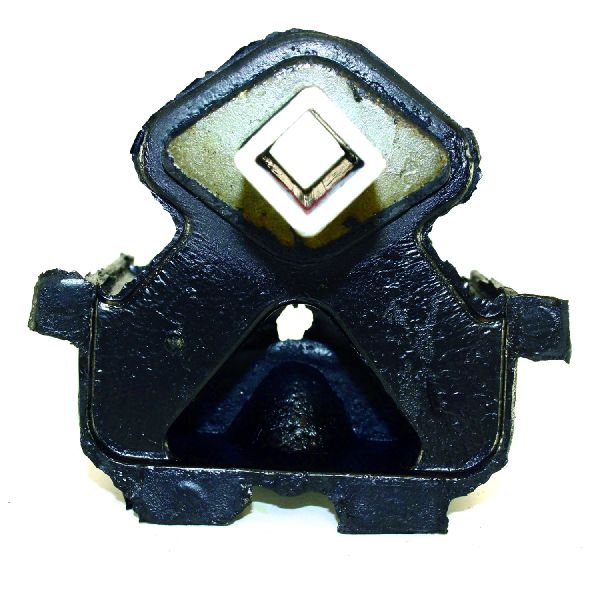
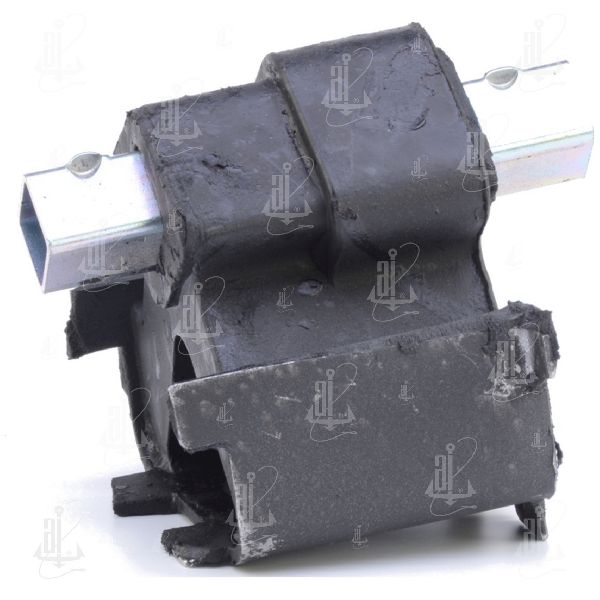
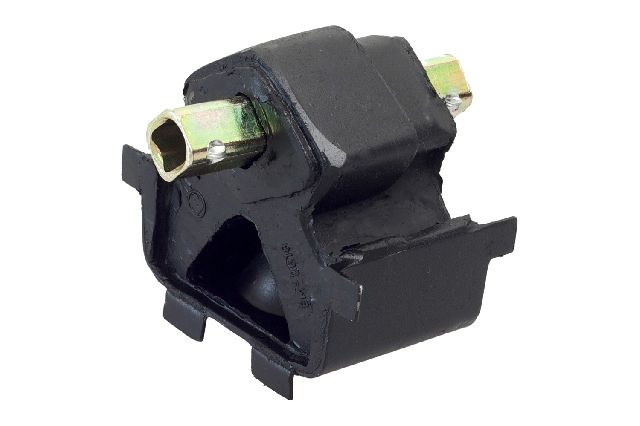
Constructed of a steel frame and a solid rubber block to support the transmission and absorb vibration. Typically held in place by two to four bolts.
We Have This Part in Stock


The information in this article is provided for general reference and educational purposes only. Vehicle specifications, procedures, and part compatibility can vary by production date, trim level, and region. Always consult your vehicle's factory service manual and verify part numbers before purchasing or performing repairs. Safety-critical components such as airbags, seat belts, and braking systems should be installed by a qualified professional.
- Dodge Grand Caravan: