

A/C Compressor Replacement Guide for the 1987-1994 Dodge Colt
Get your classic Colt's air conditioning working again by understanding how to choose and replace your A/C compressor.
- The A/C system in your Colt was designed for R-12 refrigerant but has likely been converted to R-134a; verify this before buying parts.
- Replacing the compressor requires special tools to evacuate and recharge the system; this is not a simple DIY job for beginners.
- You must also replace the receiver/drier and expansion valve to prevent immediate failure of the new compressor and to validate the warranty.
- There are no specific recalls or TSBs for the A/C compressor on this vehicle; failures are due to age.
Is Your Colt's A/C Blowing Warm Air?
When the air conditioning in your 1987-1994 Dodge Colt stops blowing cold, a failed A/C compressor is a likely suspect. Over time, internal seals wear out, bearings fail, and the clutch that engages the compressor can stop working. This guide will walk you through the symptoms of a bad compressor and how to choose the right new aftermarket part for your car.
Symptoms of a Failing A/C Compressor
Watch for these common signs that your compressor is on its way out:
- Warm Air from Vents: The most obvious symptom is air from the vents that isn't cold, even when the A/C is on max. This means the refrigerant isn't being compressed and circulated properly.
- Strange Noises: Grinding, squealing, or rattling sounds when you turn the A/C on can indicate failing internal bearings or a bad clutch. If the compressor seizes, you might hear a loud squeal from the drive belt slipping over a stuck pulley.
- Compressor Clutch Not Engaging: The outer part of the compressor pulley should spin with the engine belt. When you turn on the A/C, the clutch should engage with a 'click', causing the inner plate of the compressor to spin with the pulley. If it doesn't engage, it could be a bad clutch, a blown fuse, or the system may be too low on refrigerant, causing a low-pressure switch to prevent engagement.
- Visible Leaks: You might see oily residue on the compressor body. This is often refrigerant oil leaking out, which means refrigerant is escaping too.
Important: R-12 vs. R-134a Refrigerant
Your 1987-1994 Dodge Colt was originally built to use R-12 refrigerant. This type is no longer available to the public and has been phased out. It is almost certain that your vehicle's A/C system has either been converted to the modern R-134a refrigerant or it is no longer functional. When replacing the compressor, you must use one that is compatible with R-134a and the correct type of oil (usually PAG or Ester oil for retrofits). Look for R-134a service ports (like bicycle tire valves) on the A/C lines to confirm a conversion has been done.
Choosing the Right Aftermarket Compressor
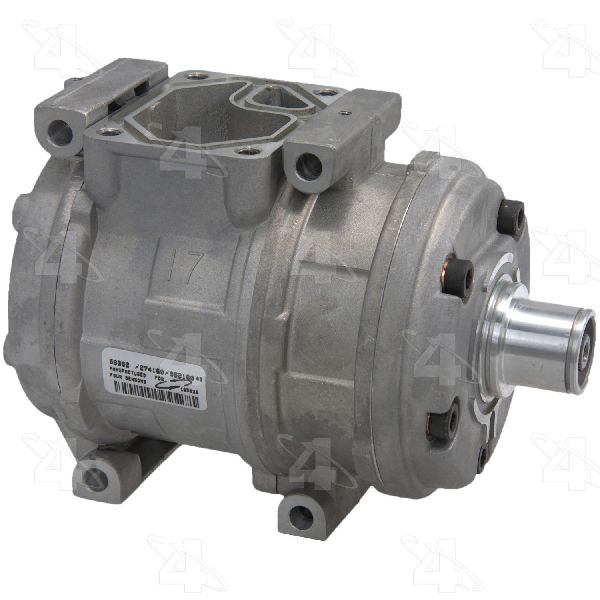
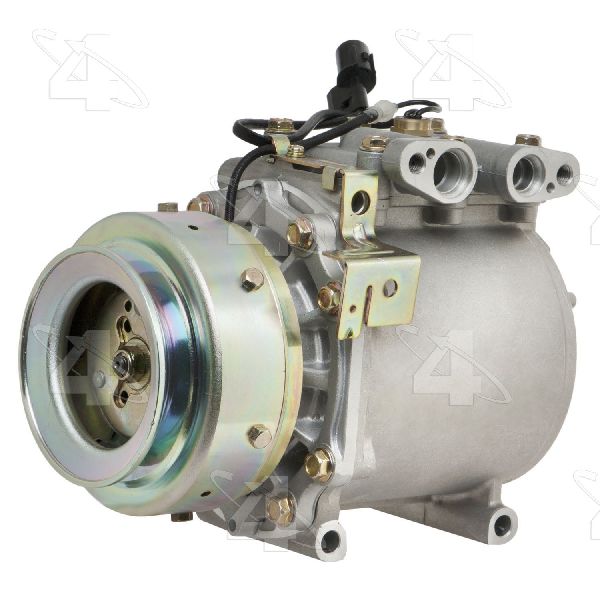
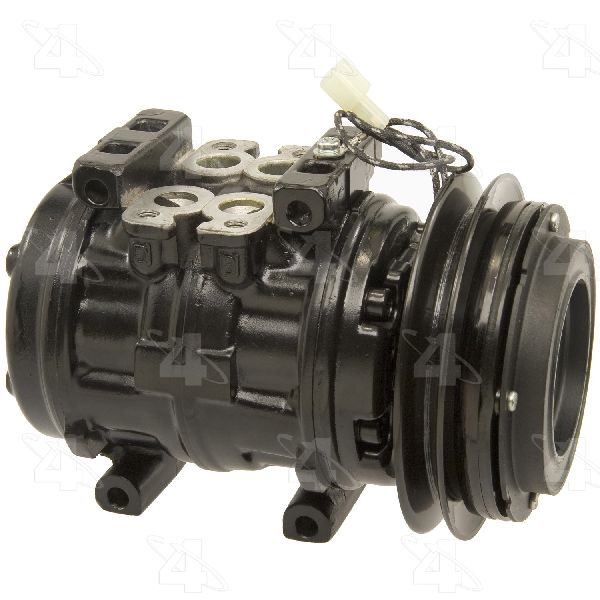
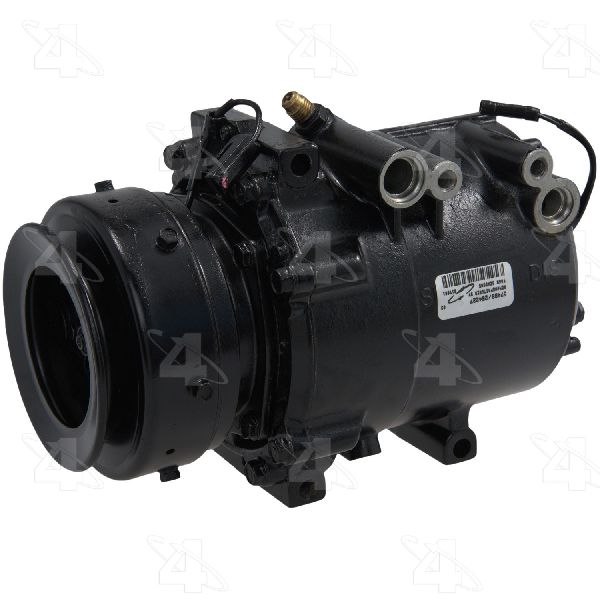
For a vehicle of this age, finding a new original equipment (OEM) compressor is nearly impossible. New aftermarket parts are the most practical and cost-effective solution. The key is to choose a quality brand and replace all necessary components at the same time.
- Four Seasons: This is one of the largest and most well-known aftermarket A/C parts manufacturers. They have a reputation for producing reliable new and remanufactured compressors that offer a good balance of quality and price. Many of their products come as kits, which is a major advantage.
- Global Parts Distributors (GPD): Another major supplier in the aftermarket, GPD offers a wide range of A/C components. Like Four Seasons, they are a common choice in repair shops and are generally considered a reliable option for replacement parts.
Always Replace More Than Just the Compressor
To ensure your new compressor lasts and to validate its warranty, you MUST replace the A/C receiver/drier (or accumulator) and the expansion valve at the same time. If the old compressor failed internally, metal debris has contaminated the entire system. Failing to flush the system and replace these parts will cause your new compressor to fail immediately.
Cost of Replacing a Dodge Colt A/C Compressor
Costs can vary based on your location and whether you do the work yourself. This job requires special tools to safely handle refrigerant.
| Item | Estimated Cost |
|---|---|
| New Aftermarket A/C Compressor | $235 - $515 |
| A/C Service Kit (Receiver/Drier, Expansion Valve, O-rings) | $50 - $100 |
| Shop Labor (including system evacuation and recharge) | $400 - $700 |
| Total Professional Replacement | $685 - $1315+ |
Frequently Asked Questions
Can I replace the A/C compressor myself?
This is a job for an advanced DIYer. While the mechanical work of unbolting the old compressor and installing the new one is straightforward, handling refrigerant is not. It is illegal to release refrigerant into the atmosphere. The system must be professionally evacuated before you start work and then properly vacuumed and recharged after the new parts are installed.
Do I need to add oil to the new compressor?
Yes. New compressors come with a specific amount of PAG oil, but you must verify the amount and type required for your Colt's system (especially since it's a retrofit). Often, you need to drain the shipping oil and add the correct amount of new oil before installation. Refer to the instructions included with the new part.
What is the difference between an A/C compressor and the clutch?
The compressor is the pump itself. The clutch is an electromagnet that, when activated, engages the compressor's internal pump with the spinning engine belt pulley. While clutches can be replaced separately, new aftermarket compressors almost always come with a new clutch pre-installed, which is the recommended way to do the repair.
Were there any recalls for the 1987-1994 Dodge Colt A/C compressor?
No. Searches of the National Highway Traffic Safety Administration (NHTSA) database show no recalls or specific technical service bulletins (TSBs) related to the A/C compressor for this vehicle. Any failure is typically due to age and normal wear and tear.
Technical Specifications
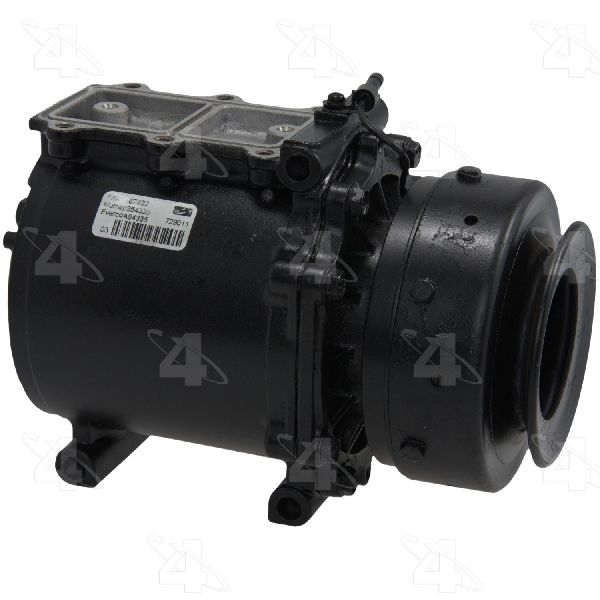
Compatibility with R-134a refrigerant and associated PAG/Ester oil is critical. Most replacements will come as a complete assembly with the clutch included.
We Have This Part in Stock

The information in this article is provided for general reference and educational purposes only. Vehicle specifications, procedures, and part compatibility can vary by production date, trim level, and region. Always consult your vehicle's factory service manual and verify part numbers before purchasing or performing repairs. Safety-critical components such as airbags, seat belts, and braking systems should be installed by a qualified professional.
- Dodge Colt: