

Chrysler Phantom Ignition Coil: A Guide to Replacement and Diagnosis (1987-1994)
If your Chrysler Phantom cranks but won't start, stalls, or runs rough, the single ignition coil is a primary suspect.
- The vehicle uses a single ignition coil; if it fails, the engine will not run.
- A no-start condition can also be caused by a faulty ASD relay or distributor pickup sensor; check these first.
- Replacement is a very easy DIY job that takes less than 30 minutes with basic tools.
- A quality aftermarket brand like Standard Ignition is a reliable and cost-effective choice for this vehicle.
Is Your Phantom Stalling or Refusing to Start?
The 1987-1994 Chrysler Phantom relies on a single, canister-style ignition coil to run. Unlike modern cars with a coil for each spark plug, your vehicle's entire ignition system depends on this one part. When it begins to fail, the symptoms are often severe and can leave you stranded. Because of the vehicle's age, original ignition coils are well past their service life, making failure a common issue.
Common Symptoms of a Failing Ignition Coil
A bad ignition coil on this vehicle will cause noticeable problems. Look for these signs:
- No-Start Condition: This is the most common and definitive symptom. The engine will turn over (crank) but will not fire up because there is no spark.
- Engine Stalling: The car might start and run, but then suddenly shut off, especially after it has warmed up. It may restart after cooling down, only to stall again later.
- Rough Idle and Misfires: A weak or inconsistent spark from a failing coil can cause the engine to shake, shudder, or run unevenly, particularly when stopped or during acceleration.
- Poor Acceleration: The car may feel sluggish or down on power because the engine isn't firing efficiently.
- Backfiring: Loud popping sounds from the exhaust can occur when unburned fuel, resulting from a lack of spark, ignites in the exhaust system.
Warning: Check These Parts First!
On these specific Chrysler platforms, a no-spark condition isn't always caused by a bad coil. Before you buy a new part, be aware of two other common failures that produce the exact same symptoms: the Automatic Shutdown (ASD) Relay and the distributor pickup coil (Hall Effect Sensor). The ASD relay powers the coil and fuel pump; if it fails, you lose spark and fuel. Testing these related, and often cheaper, components first can save you time and money.
Choosing the Right Aftermarket Coil
With original OEM parts for this vehicle being largely unavailable, the aftermarket is your only option. Quality can vary, so it's important to choose a trusted brand. For a critical component like this, spending a few extra dollars for a better part is a wise investment.
- Premium Aftermarket (e.g., Standard Ignition): Brands like Standard Motor Products (SMP) are well-regarded in the industry for producing parts that meet or exceed original specifications. They are a reliable choice for daily drivers and are known for durability.
- Economy Aftermarket (e.g., Global Parts): These are typically the lowest-priced options. While functional, they may have shorter warranties and a less robust build quality. An economy part can get your vehicle running, but may not offer the same long-term reliability as a premium brand.
Pro Tip: Easy DIY Replacement
Replacing the ignition coil on a 1987-1994 Phantom is a very simple job that most owners can do themselves in under 30 minutes with basic hand tools. The coil is typically mounted in an easy-to-access location on the fender or firewall, with only a couple of bolts and electrical connectors holding it in place.
Cost of Replacing Your Ignition Coil
| Part Type | Estimated Cost |
|---|---|
| New Aftermarket Coil | $20 - $40 |
| New OEM Coil | N/A (Likely Discontinued) |
| Shop Labor | $50 - $100 |
| DIY Total (Aftermarket) | $20 - $40 |
| Shop Total (Aftermarket) | $70 - $140 |
Frequently Asked Questions
Are there any recalls for the Chrysler Phantom ignition coil?
No. A search of the National Highway Traffic Safety Administration (NHTSA) database shows no safety recalls specifically for the ignition coil on the 1987-1994 Chrysler Phantom or its U.S. equivalents like the Dodge Spirit and Plymouth Acclaim. Recalls for other Chrysler models involved the ignition *switch*, which is a different part.
Can I test my old ignition coil before replacing it?
Yes, you can test the coil with a multimeter to check its primary and secondary resistance values, but this doesn't always identify intermittent failures that only occur when the coil is hot. A more definitive test is to check for spark at the spark plug wires while cranking the engine. If there is no spark on any cylinder, and the ASD relay is confirmed to be working, the coil is almost certainly the problem.
Should I replace the spark plugs and wires with the coil?
While not strictly necessary, it is a good idea. The ignition system works together. Old spark plugs with a wide gap or worn-out wires can strain the new coil, potentially causing it to fail prematurely. If you don't know the service history of the plugs and wires, replacing them all at once is a smart preventative measure.
What is the Automatic Shutdown (ASD) Relay?
The ASD relay is a common part on Chrysler vehicles of this era. It's a safety device that cuts power to the ignition coil and fuel pump if it doesn't receive a signal from the engine computer that the engine is running. These relays are a known failure point and can perfectly mimic the symptoms of a dead ignition coil. They are usually located in a power box in the engine bay and can be tested by swapping with a known good relay (like the horn relay).
Technical Specifications
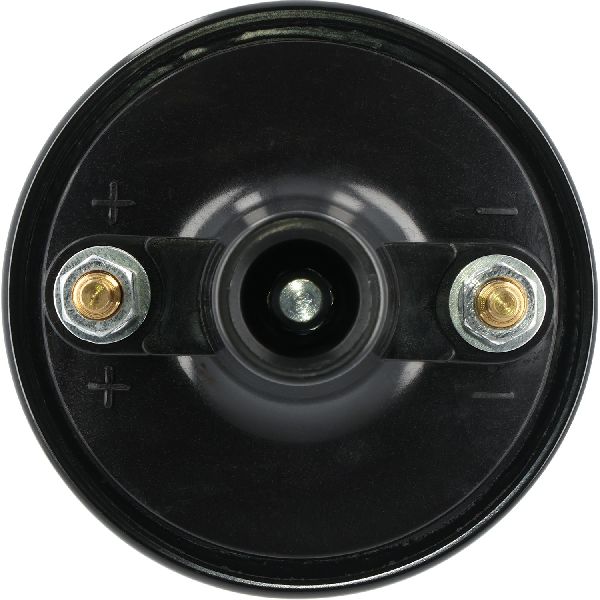
This vehicle uses a single, canister-style ignition coil that works in conjunction with a distributor.
We Have This Part in Stock


The information in this article is provided for general reference and educational purposes only. Vehicle specifications, procedures, and part compatibility can vary by production date, trim level, and region. Always consult your vehicle's factory service manual and verify part numbers before purchasing or performing repairs. Safety-critical components such as airbags, seat belts, and braking systems should be installed by a qualified professional.
- Chrysler Phantom: