

Radiator Coolant Hose Guide for the 1987-1993 Mack RM
Keep your Mack RM's heavy-duty engine cool and prevent costly breakdowns by choosing the right radiator hose.
- A failed radiator hose will cause your engine to overheat, which can lead to catastrophic engine damage; do not drive with a known coolant leak.
- Inspect hoses regularly for signs of wear like cracks, bulges, or a soft, spongy feel to prevent being stranded.
- For a 1987-1993 Mack RM, a quality aftermarket hose from a brand like Gates or Dayco is a reliable choice.
- Always replace hose clamps when you replace the hoses, and consider replacing both upper and lower hoses at the same time.
Signs of a Failing Radiator Hose
A bad radiator hose is a serious threat to your engine's health. On a work truck like a Mack RM, a sudden failure can take you off the road and lead to expensive engine damage. During your regular vehicle inspections, look for these warning signs:
- Coolant Leaks: This is the most obvious symptom. You may find puddles of green, yellow, or orange fluid under the front of your truck. A sweet smell is also a common indicator of a coolant leak. You might also see white or crusty residue around the hose connections where coolant has slowly leaked and evaporated.
- Visible Damage: Look for cracks, splits, or abrasions on the hose surface, paying close attention to bends and areas near the clamps. A bulging or swollen section means the internal structure of the hose has failed and it could burst at any moment.
- Spongy or Hardened Hoses: When the engine is completely cool, squeeze the hoses. If a hose feels soft, mushy, or spongy, its internal reinforcement is breaking down. If it feels rock-hard or makes a crunching sound, it has become brittle and is prone to cracking.
- Engine Overheating: If your temperature gauge is climbing, it could be due to coolant loss from a bad hose. A hose can also collapse inward, creating a blockage that restricts coolant flow and leads to overheating.
Pro Tip: Check the Metal Pipe
If you have a persistent leak at the hose connection even after replacing the hose and clamp, check the metal pipe it connects to. One Mack owner found a leak was actually caused by a small hole from corrosion on the metal pipe itself.
Choosing the Right Aftermarket Hose: Dayco vs. Gates
For a truck from this era, original equipment (OEM) hoses are likely discontinued or very hard to find. The good news is that modern aftermarket hoses from reputable brands are reliable and made with advanced rubber compounds. Both Dayco and Gates are well-known manufacturers of heavy-duty parts.
- Gates: Often praised by mechanics for excellent, consistent fitment and accurate parts catalogs. Many consider Gates a top-tier choice for belts and hoses, making them a very reliable option.
- Dayco: Known for making durable, sometimes thicker, hoses that hold up well in heavy-duty applications. Some users have had great success with Dayco, finding their quality to be excellent.
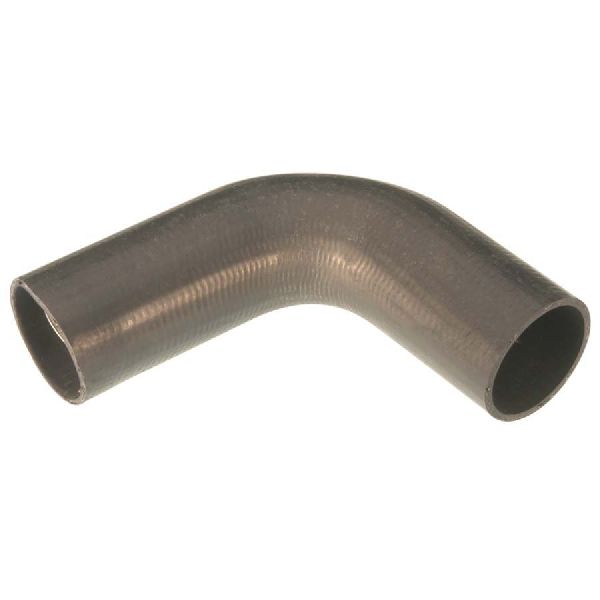
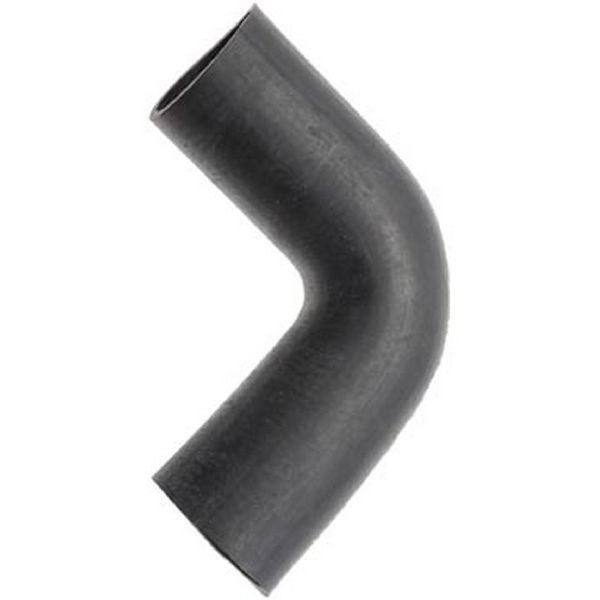
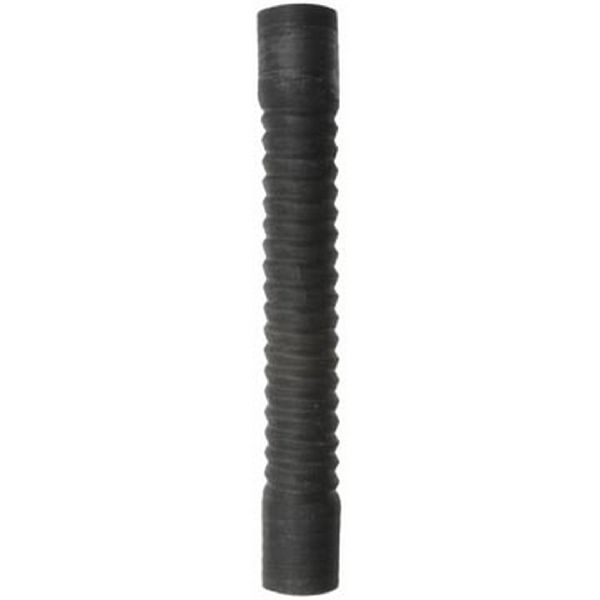
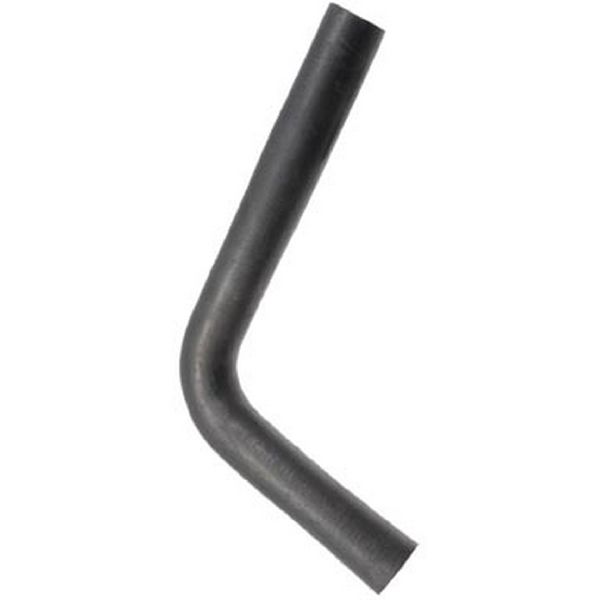
Ultimately, both brands are a solid choice for your Mack RM. The most important factor is getting a direct-fit, molded hose designed for your truck. Do not use a universal or flexible hose, as it can kink and restrict coolant flow, causing your engine to overheat.
Known Issues, Recalls, and Service Bulletins
Searches of the National Highway Traffic Safety Administration (NHTSA) database show no specific recalls or Technical Service Bulletins (TSBs) for radiator coolant hoses on the 1987-1993 Mack RM. While some newer Mack models have had service campaigns for issues like collapsing hoses, these do not apply to your vehicle's model years. Any hose failure on a truck of this age is typically due to normal wear and tear.
| Part/Service | Estimated Cost |
|---|---|
| New Aftermarket Radiator Hose | $30.98 - $101.28 |
| Shop Labor | $150 - $300 |
| Coolant (10+ Gallons) | $100 - $200 |
Cost estimates are for reference and may vary based on your location and specific truck configuration. Labor costs for heavy-duty trucks are typically higher than for passenger cars.
Frequently Asked Questions (FAQ)
Should I replace the hose clamps too?
Yes, absolutely. Old clamps can lose tension, rust, or dig into the new hose, causing leaks. Using new, high-quality worm-gear or spring clamps is a cheap and essential part of the job to ensure a perfect seal.
If one hose is bad, should I replace both?
Yes. The upper and lower radiator hoses have been exposed to the same heat, pressure, and age. If one has failed, the other is likely near the end of its life. Replacing them at the same time is smart preventative maintenance and can save you from another breakdown.
What kind of coolant should I use in my Mack RM?
For a diesel engine from this era, you should use a coolant designed for heavy-duty systems. This is typically a low-silicate formula. Always consult your service manual or a Mack-specific resource to confirm the correct coolant type to prevent corrosion and cooling system damage.
How often should I replace my radiator hoses?
As a general rule for a hard-working truck, proactively replacing the radiator hoses every 4 to 5 years or during major cooling system service is a good way to prevent a sudden failure on the road.
Technical Specifications
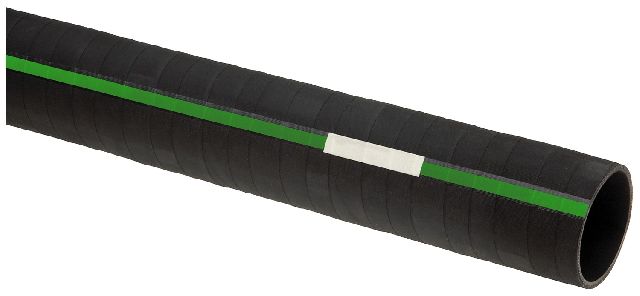
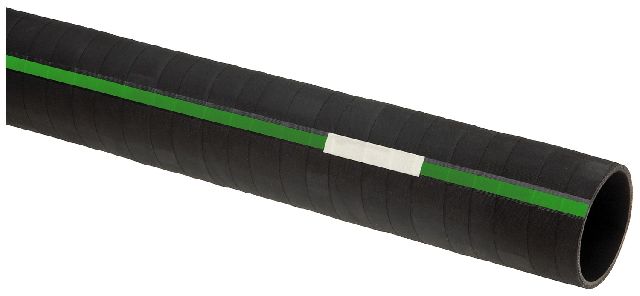
Hoses must be vehicle-specific molded parts, not universal/flexible types. They are typically made from EPDM (Ethylene Propylene Diene Monomer) rubber to resist heat, pressure, and chemical breakdown.
We Have This Part in Stock

The information in this article is provided for general reference and educational purposes only. Vehicle specifications, procedures, and part compatibility can vary by production date, trim level, and region. Always consult your vehicle's factory service manual and verify part numbers before purchasing or performing repairs. Safety-critical components such as airbags, seat belts, and braking systems should be installed by a qualified professional.
- Mack RM: