

Choosing the Right Disc Brake Pads for Your 1987-1992 Ford Thunderbird
Get the straight facts on replacing the disc brake pads on your tenth-generation Thunderbird.
- Pay attention to symptoms like squealing (replace soon) and grinding (stop driving).
- Choose ceramic pads for quiet, clean daily driving or semi-metallic pads for performance and value.
- Owners have noted a tendency for front rotors to warp; always replace rotors with pads for best results.
- Brake systems can vary between base models and the Turbo Coupe, so confirm fitment before purchasing parts.
Is Your Thunderbird Telling You It Needs New Brakes?
Your 1987-1992 Thunderbird will give you clear signs when the brake pads are wearing out. Ignoring these signs can lead to more expensive repairs, like replacing rotors or calipers, and can be a serious safety risk. Pay attention to what your car is telling you.
Common Symptoms of Worn Brake Pads:
- Squealing or Screeching Noises: This is often the first sign. A small metal tab called a wear indicator scrapes against the rotor, making a high-pitched noise to alert you that the pads are thin.
- Grinding Sounds: If you hear a deep, metallic grinding, it means the pad material is completely gone. This is a critical situation where metal is grinding against metal, severely damaging your brake rotors and drastically reducing stopping power.
- Spongy or Soft Brake Pedal: If the pedal feels mushy or goes closer to the floor than usual, it could indicate worn pads or issues with the hydraulic system.
- Vibration or Pulsing: A pulsing feeling in the brake pedal or steering wheel when you brake often points to warped brake rotors, a common consequence of running pads too thin.
- Longer Stopping Distances: If you notice your car takes longer to stop than it used to, your brake pads are likely worn out and no longer providing effective friction.
Known Issues for This Generation
Some owners of this Thunderbird generation have reported issues with premature rotor warping, especially on the front brakes. This can be caused by undersized factory components for the car's weight. Using high-quality, durable brake pads and ensuring rotors are in good condition during a pad change is essential to prevent this. Additionally, Turbo Coupe models have a more complex ABS system that can be sensitive; issues with power assist have been noted by owners.
Choosing the Right Aftermarket Brake Pads
Since Original Equipment (OEM) parts for a vehicle of this age are scarce, the aftermarket is your best source. The main choice you'll make is the friction material: Ceramic or Semi-Metallic.
Brake Pad Material: Ceramic vs. Semi-Metallic
Your choice depends on your driving style and priorities.
- Semi-Metallic Pads: These pads contain 30-70% metal and are known for strong performance and good heat dissipation. They are a great choice for spirited driving or if you live in a colder climate, as they bite well when cold. The downside is they can be noisier, produce more dark-colored dust that dirties wheels, and can wear rotors faster than ceramic pads. Many owners find semi-metallic pads to be a good, cost-effective option.
- Ceramic Pads: Developed in the 1980s, ceramic pads are made from a dense ceramic material with fine copper fibers. They are prized for being exceptionally quiet and producing very little, light-colored dust. They are also gentle on brake rotors, helping them last longer. However, they can be more expensive and may not offer the same initial "bite" as semi-metallics, especially in very cold weather or high-performance situations. For a daily-driven Thunderbird focused on comfort, ceramic pads are an excellent upgrade.
Pro Tip: For the 1987-1988 Turbo Coupe models with their unique 4-wheel disc setup, performance-oriented pads from brands like Hawk can offer a significant increase in stopping power over standard replacements. Always verify the fitment for your specific trim level (Base, LX, Sport, or Turbo Coupe) as brake components can differ.
Aftermarket Brand Quality Tiers
Not all brands are created equal. Here’s a general breakdown of the brands available:
- Performance/Premium (EBC Brakes, Hawk Performance, Powerstop): These brands specialize in high-performance materials. They offer aggressive compounds for track use or upgraded street pads that provide better bite and fade resistance than stock. They are the most expensive but offer the best performance.
- OEM-Quality/Daily Driver (Bosch, Centric, Raybestos, Wagner): These are trusted, mainstream brands that offer products meeting or exceeding original factory specifications. They provide a great balance of performance, low noise, and durability for everyday use. Many professional mechanics trust these brands.
- Economy (Dynamic Friction and other budget brands): These pads are the most affordable and will get the job done for basic transportation. However, they may not last as long, could be noisier, and might not offer the same consistent performance as higher-tier brands.
How Much Will New Brake Pads Cost?
The cost depends on the brand you choose and whether you do the work yourself or hire a professional.
| Item | Estimated Cost |
|---|---|
| Aftermarket Disc Brake Pad Set (Front or Rear) | $21.79 - $223.27 |
| Shop Labor (per axle) | $100 - $200 |
| Total Professional Installation (per axle) | $122 - $424 |
Note: Costs are estimates. Replacing rotors at the same time is highly recommended and will add to the total cost.
Frequently Asked Questions
Do I need to replace my brake rotors with the pads?
It is highly recommended. New pads on an old, worn, or warped rotor surface won't perform correctly and will wear out much faster. For best performance and safety, always install new pads and rotors together. Some owners report these Thunderbirds are prone to rotor warping, making this step even more important.
Should I choose ceramic or semi-metallic pads for my Thunderbird?
If you prioritize quiet operation and clean wheels for your daily driver, choose ceramic. If you prefer a stronger initial bite, do more spirited driving, or are on a tighter budget, semi-metallic pads are an excellent choice.
Are there any recalls for the brakes on the 1987-1992 Thunderbird?
Searches found a recall for the 1989 Thunderbird related to brakes, but specific details were not available in the immediate results. There were no widespread recalls specifically for brake pads. It is always a good practice to check for any open recalls on your vehicle using your VIN on the NHTSA website.
Can I replace the brake pads on my Thunderbird myself?
Yes, replacing brake pads is a common DIY job for those with mechanical experience and the right tools. It typically involves lifting the car, removing the wheel, unbolting the caliper, compressing the caliper piston, and swapping the pads. However, brakes are a critical safety system. If you are not 100% confident, it is always best to have the work done by a qualified mechanic.
Technical Specifications
Brake pad replacement is recommended when friction material is worn to approximately 1/8" to 3/16" (3-5mm). The FMSI (Friction Materials Standards Institute) number D347 may be referenced for some 1987-88 Turbo Coupe models. The 1987-1988 Turbo Coupe featured 4-wheel disc brakes, while other models may have had a disc/drum setup. Rear disc brakes were an option on various models throughout this period.
We Have This Part in Stock
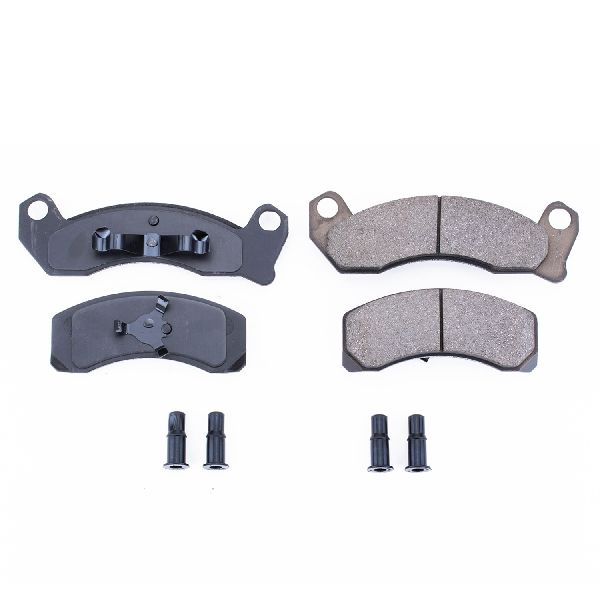
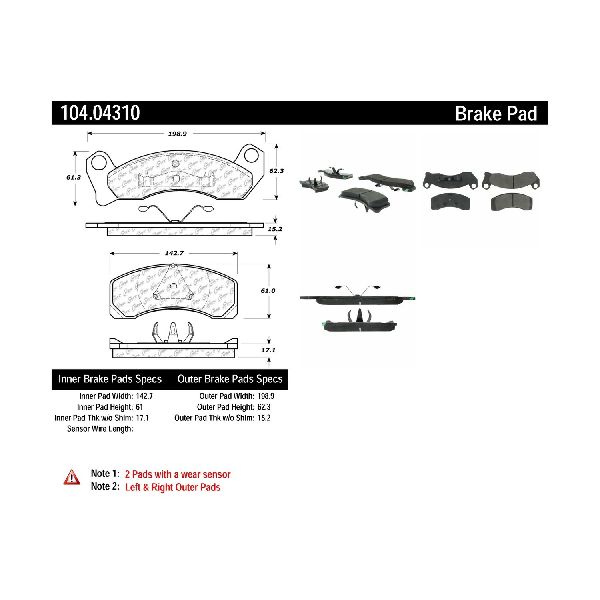
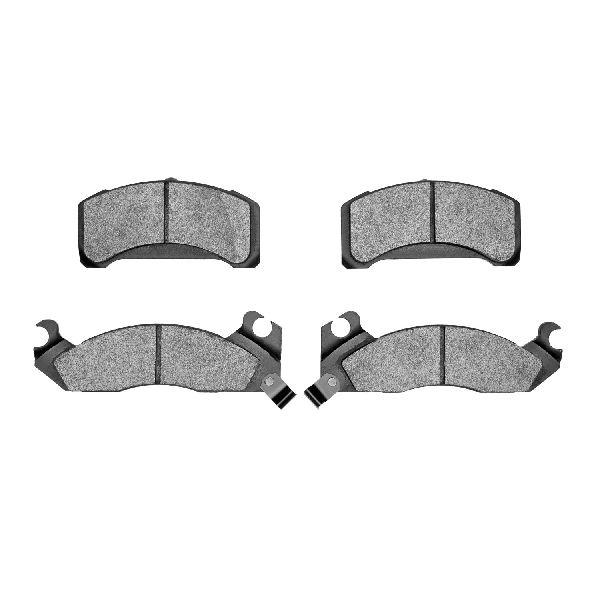
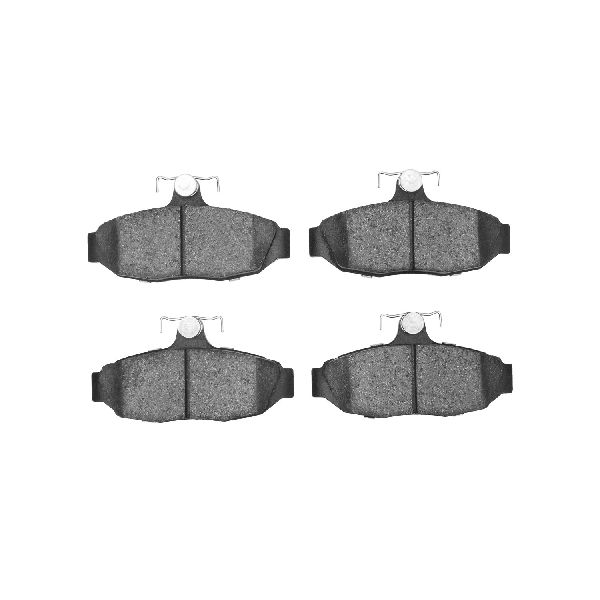
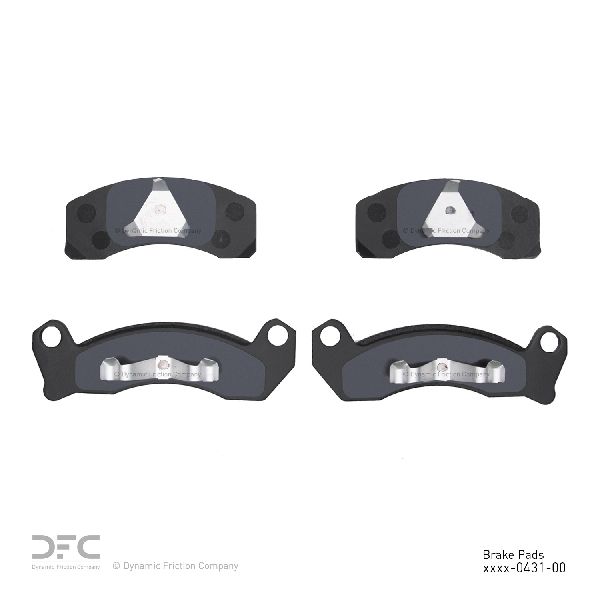
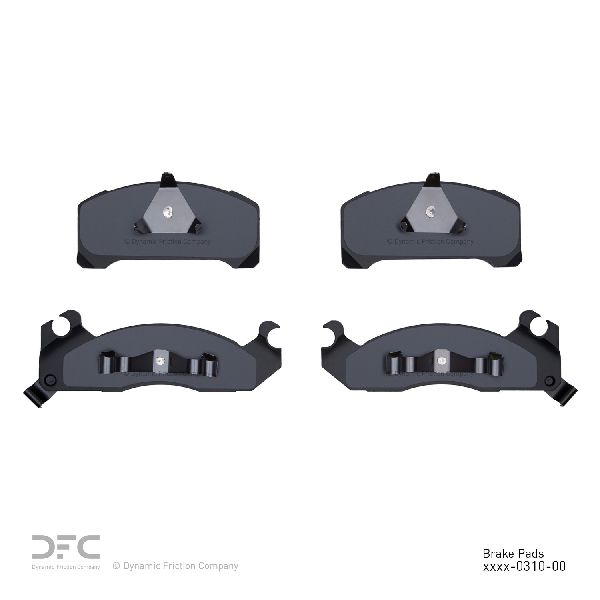

The information in this article is provided for general reference and educational purposes only. Vehicle specifications, procedures, and part compatibility can vary by production date, trim level, and region. Always consult your vehicle's factory service manual and verify part numbers before purchasing or performing repairs. Safety-critical components such as airbags, seat belts, and braking systems should be installed by a qualified professional.
- Ford Thunderbird: