

Brake Master Cylinder Guide for the 1987-1991 Toyota Camry
If your brake pedal feels soft or sinks to the floor, it might be time to replace your brake master cylinder.
- A spongy pedal that sinks to the floor is the most critical symptom of a failing master cylinder on your Camry.
- Driving with a bad master cylinder is extremely dangerous; replace it immediately.
- For this vehicle's age, quality aftermarket brands like Dorman, Raybestos, and Dynamic Friction are reliable and cost-effective choices.
- Bench bleeding the new master cylinder before installation is a mandatory step for a successful repair.
Is Your Brake Pedal Telling You Something?
For the 1987-1991 Toyota Camry, the brake master cylinder is a durable part, but it can wear out over time. The most common sign of failure is a change in how your brake pedal feels. If the internal seals wear out, fluid can bypass them, leading to a loss of hydraulic pressure. This makes your brakes feel 'spongy' or weak, and the pedal might sink slowly to the floor when you hold it down.
Common Symptoms of a Failing Master Cylinder
- Spongy or Mushy Brake Pedal: The pedal feels soft under your foot and lacks a firm response. This is often the first sign of internal seal failure.
- Brake Pedal Slowly Sinks: When you hold steady pressure on the brake pedal, it gradually sinks towards the floor. This indicates an internal leak.
- Brake Warning Light: A drop in brake fluid level caused by a leak can trigger the brake warning light on your dashboard.
- Contaminated Brake Fluid: If the seals break down, small rubber particles can contaminate the brake fluid, making it look dark or dirty. Metal shavings are a sign of a significant internal failure.
Choosing the Right Aftermarket Part for Your Camry
For a vehicle from this era, finding a brand-new OEM (Original Equipment Manufacturer) part from Toyota can be difficult and expensive. Fortunately, modern aftermarket manufacturers produce high-quality replacements that meet or exceed original specifications and are a practical, reliable choice.
Here’s a look at the available brands:
- Dorman: A well-known aftermarket brand that often re-engineers parts to fix common OEM weaknesses. While some users report hit-or-miss quality on other parts, their brake and clutch hydraulics are generally considered reliable.
- Raybestos: Often recommended by technicians and DIYers for its quality. Raybestos parts are engineered to match original factory performance in pressure and feel.
- Dynamic Friction (DFC): This brand focuses on producing parts that meet strict OEM specifications for fit and function. They are 100% pressure tested to ensure reliability.
For a 1987-1991 Camry, any of these reputable aftermarket brands will provide safe, reliable braking performance. The choice often comes down to availability and price, as all are designed to be direct-fit replacements.
Brake Master Cylinder Replacement Cost
The cost to replace the brake master cylinder on a 1987-1991 Toyota Camry depends on whether you do the job yourself or take it to a professional mechanic.
| Part/Service | Estimated Cost |
|---|---|
| New Aftermarket Part | $84 - $87 |
| Shop Labor | $209 - $355 |
| Total Professional Replacement | $293 - $442 |
Cost estimates are based on national averages for parts and labor and may vary by location.
Frequently Asked Questions (FAQ)
Do I have to bench bleed the new master cylinder?
Yes, absolutely. Bench bleeding is a critical step. It involves removing all the air from inside the new master cylinder before you install it in the car. Skipping this step will make it extremely difficult, if not impossible, to bleed the brakes properly later, leaving you with a spongy pedal.
What kind of brake fluid should I use for my 1987-1991 Camry?
Always check your owner's manual or the cap on the master cylinder reservoir for the specific type of brake fluid required. Most Toyota vehicles of this era use DOT 3 brake fluid. Using the wrong type can damage seals and compromise your braking system.
Is this a difficult DIY job?
For a DIYer with some experience, this job is manageable. It requires basic hand tools, a flare nut wrench to avoid stripping the brake line fittings, and a vise for bench bleeding. The main challenges are preventing brake fluid from spilling on painted surfaces (it's highly corrosive) and properly bleeding the system afterward. If you are not comfortable with hydraulic systems, it's best to leave this job to a professional.
Are there any recalls for the 1987-1991 Camry master cylinder?
No, searches of the National Highway Traffic Safety Administration (NHTSA) database did not show any recalls or widespread technical service bulletins (TSBs) specifically for the brake master cylinder on the 1987-1991 Toyota Camry. Recalls for this component on other Toyota models are for much newer vehicles and different issues.
Technical Specifications
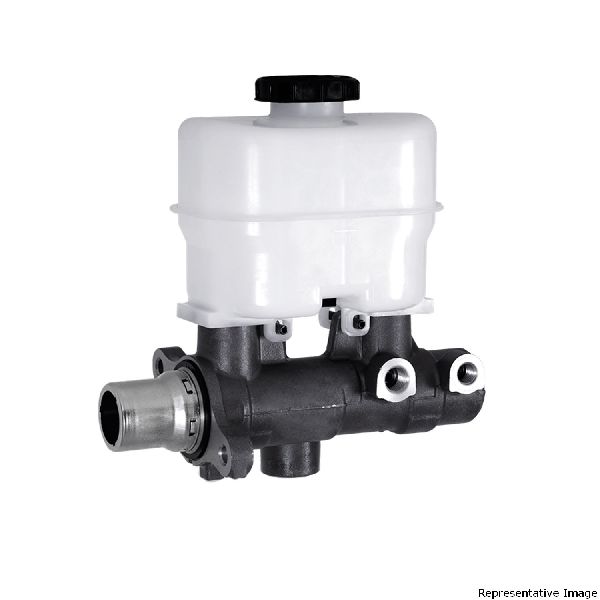
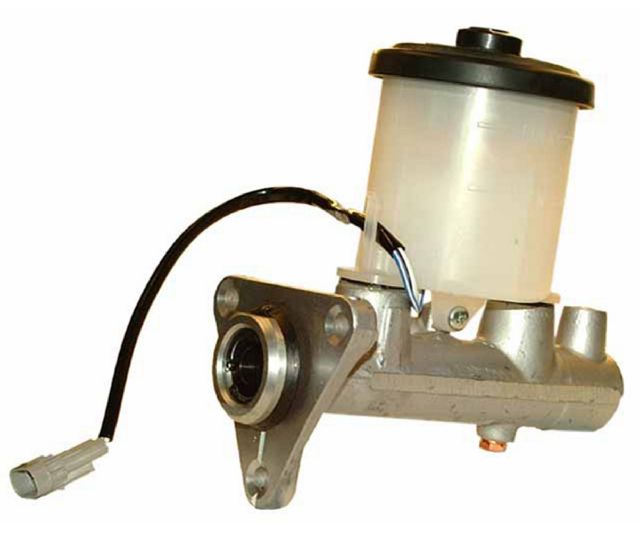
Varies by engine and drivetrain (FWD vs. All-Trac). Ensure the part matches your specific 1987-1991 Camry sub-model. Some models may have different reservoir configurations or port sizes.
We Have This Part in Stock

The information in this article is provided for general reference and educational purposes only. Vehicle specifications, procedures, and part compatibility can vary by production date, trim level, and region. Always consult your vehicle's factory service manual and verify part numbers before purchasing or performing repairs. Safety-critical components such as airbags, seat belts, and braking systems should be installed by a qualified professional.
- Toyota Camry: