

Pontiac Tempest Engine Coolant Temperature Sensor Guide (1987-1991)
Understanding the right Engine Coolant Temperature Sensor for your Tempest is key to engine performance and fuel economy.
- A failing ECT sensor will cause poor fuel economy, a Check Engine Light (Code 14 or 15), and potential overheating.
- For this vehicle, a quality aftermarket brand like NGK or Standard Ignition is a reliable and recommended choice.
- Replacement is simple and can be done by a DIYer in under 30 minutes with basic tools.
- Always check the condition of the electrical connector, as a bad connection can mimic a failed sensor.
Is Your Pontiac Tempest Engine Coolant Temp Sensor Failing?
A faulty Engine Coolant Temperature (ECT) sensor can cause a range of problems that you might mistake for other issues. Because the sensor's reading affects how much fuel the engine gets, a bad sensor can tell the computer the engine is cold when it's actually warm. This leads to a rich fuel mixture, causing symptoms you'll notice from the driver's seat.
Common Symptoms of a Bad ECT Sensor:
- Poor Fuel Economy: The engine runs rich, wasting gas.
- Black Smoke from Exhaust: A clear sign of unburned fuel due to a rich mixture.
- Check Engine Light: Your Tempest's early computer system can trigger a light. It will store a fault code, often Code 14 (high temperature reading) or Code 15 (low temperature reading).
- Engine Overheating: If the sensor fails to signal the computer that the engine is hot, the cooling fans may not turn on when needed.
- Hard Starting: The engine may struggle to start, especially when cold, if the fuel mixture is incorrect.
- Erratic Temperature Gauge: The needle on your dashboard gauge may behave strangely or give false readings.
Vehicle-Specific Issues for the 1987-1991 Pontiac Tempest
No recalls or specific Technical Service Bulletins (TSBs) have been issued for the engine coolant temperature sensor on the 1987-1991 Pontiac Tempest. This is common for a vehicle of this age. Problems that arise are typically due to normal wear and tear on the sensor. Since the Tempest is a sibling to the Chevrolet Corsica, they share similar reliability characteristics; issues like a leaking water pump or failing sensors are known possibilities for this platform.
Choosing the Right Aftermarket Sensor
For a vehicle like the 1987-1991 Tempest, finding a new original equipment (OEM) sensor is nearly impossible. The aftermarket is your primary source for this part. Fortunately, many reputable brands produce quality replacements that meet or exceed the original specifications. The key is to choose a trusted brand rather than the cheapest available option to avoid premature failure.
Brand Tiers for Your Tempest
- Premium Aftermarket (Recommended): Brands like NGK (NTK) and Standard Ignition (SMP) have a strong reputation for quality and reliability in sensors. They often serve as original equipment suppliers for many car manufacturers and invest heavily in testing to ensure their parts perform correctly. These are excellent choices for peace of mind.
- Standard Replacement: Brands such as Four Seasons, Motorad, and Holstein offer dependable, direct-fit replacements. They are a cost-effective solution and are widely available. Many of these sensors are made with brass housings for good thermal conductivity, similar to the original parts.
Pro Tip: When replacing the sensor, it's a good idea to inspect the electrical connector. After decades of heat cycles, the plastic can become brittle and the terminals can corrode. A poor connection will cause the new sensor to read incorrectly. Replacement connectors are available and inexpensive.
Cost of Replacing the ECT Sensor
Replacing the ECT sensor is one of the more affordable repairs you can perform. The part itself is inexpensive, and labor is minimal.
| Item | Estimated Cost |
|---|---|
| Aftermarket ECT Sensor | $12.58 - $32.98 |
| Shop Labor | $50 - $100 |
| Total Estimated Cost | $62 - $133 |
Cost estimates are for informational purposes only and may vary by location and shop.
Frequently Asked Questions
Where is the ECT sensor located on a 1987-1991 Pontiac Tempest?
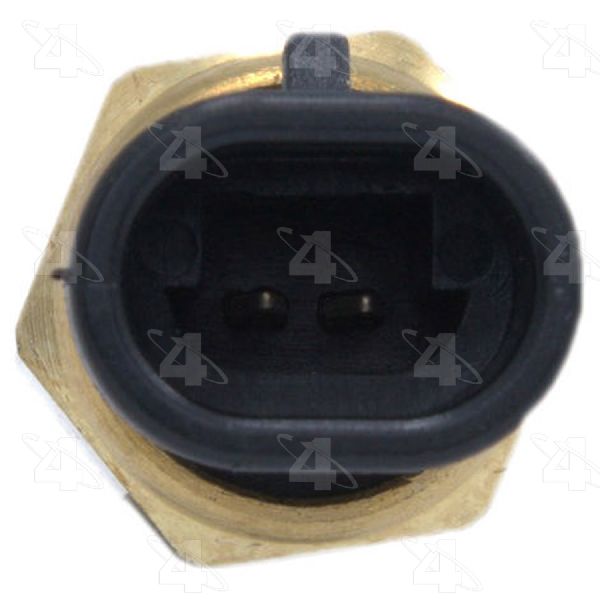
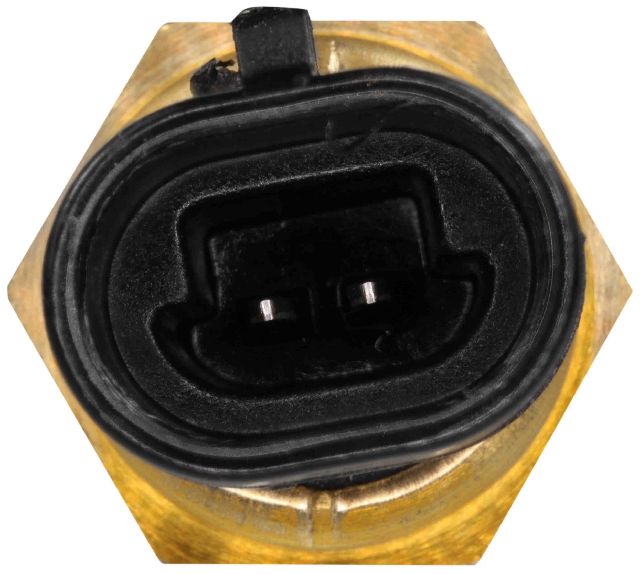
The ECT sensor is typically screwed into a coolant passage on the engine. Its exact location can vary depending on your engine (2.0L, 2.2L, 2.8L, or 3.1L), but a common spot is on or near the thermostat housing, where the large upper radiator hose connects to the engine. It will have a two-wire electrical connector attached to it.
Can I drive my Tempest with a bad ECT sensor?
You can, but it is not recommended for long. A bad sensor can cause poor engine performance, terrible gas mileage, and potentially lead to engine overheating or catalytic converter damage from a rich fuel mixture. It's best to get it replaced soon after symptoms appear.
What happens if I don't replace a failing ECT sensor?
Ignoring a bad ECT sensor will cost you money at the gas pump and can lead to more serious problems. Continuously running a rich fuel mixture can foul your spark plugs and damage the catalytic converter, which is a much more expensive repair. If the sensor fails to report an overheating condition, you risk severe engine damage like a blown head gasket.
Is an OEM sensor better than aftermarket for my Tempest?
For a vehicle of this age, the distinction is less important. New OEM parts are generally unavailable. A high-quality aftermarket sensor from a brand like Standard Ignition or NGK is an excellent and reliable choice that will restore original performance. The quality of the installation and the condition of the connector are just as important as the part itself.
Technical Specifications
OEM Part Numbers: 25036708 25036979 12146312 15326386
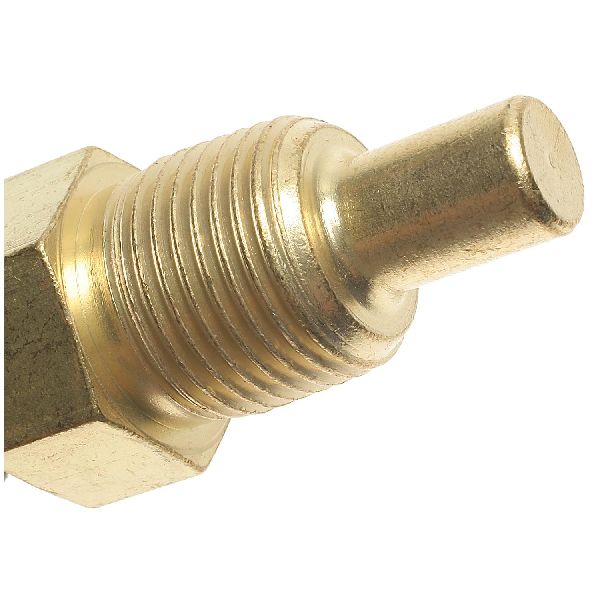
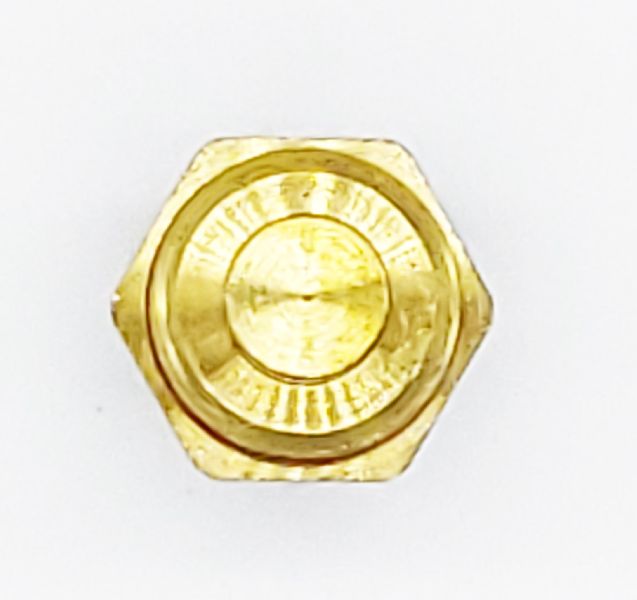
Typically a 2-pin, threaded sensor. The connector shape is usually a rectangle or oval. Most quality replacements feature a brass housing for durability and accurate temperature transfer.
We Have This Part in Stock


The information in this article is provided for general reference and educational purposes only. Vehicle specifications, procedures, and part compatibility can vary by production date, trim level, and region. Always consult your vehicle's factory service manual and verify part numbers before purchasing or performing repairs. Safety-critical components such as airbags, seat belts, and braking systems should be installed by a qualified professional.
- Pontiac Tempest: