

1987 Mercury Lynx Engine Intake Manifold Temperature Sensor Replacement Guide
Understanding the signs of a failing intake air temp sensor and how to choose the right replacement for your Lynx.
- A bad sensor commonly causes a Check Engine Light, poor gas mileage, and rough idling.
- Replacement is very easy and can be done in minutes with basic tools, making it a great DIY project.
- For this vehicle, a quality aftermarket brand like Standard Ignition is a reliable and cost-effective choice.
- There are no known recalls or service bulletins for this specific part on the 1987 Lynx.
Is your 1987 Mercury Lynx running rough or getting poor gas mileage? A bad intake air temperature sensor could be the culprit. This small but important sensor helps your engine run efficiently.
Symptoms of a Failing Intake Temperature Sensor
Because this sensor provides critical data for fuel mixture, a failure can cause noticeable problems. The most common sign is the Check Engine Light illuminating on your dashboard. You may also experience other performance issues:
- Poor Fuel Economy: If the sensor incorrectly tells the computer the air is cold, the engine will run rich (too much fuel), wasting gas.
- Rough Idle: An incorrect fuel mixture can make your engine idle erratically.
- Hard Starting: Especially in cold weather, a bad sensor can make it difficult for the engine to start because the initial fuel mixture is wrong.
- Sluggish Acceleration: With the wrong air-fuel ratio, your Lynx may feel hesitant or lack power when you press the gas pedal.
- Black Smoke from Exhaust: This is a clear sign the engine is running too rich, which can be caused by a faulty IAT sensor.
If you have a code reader, you might find trouble codes such as P0112 (Circuit Low Input) or P0113 (Circuit High Input).
Choosing the Right Aftermarket Sensor
For a vehicle like the 1987 Mercury Lynx, finding original equipment (OEM) parts from Ford is nearly impossible. The good news is that quality aftermarket sensors are available and are a perfectly reliable choice for this repair.
| Brand Tier | Available Brands | General Quality & Reputation |
|---|---|---|
| Well-Known Aftermarket | Standard Ignition (SMP) | Standard Ignition has been a major aftermarket manufacturer for decades and is generally considered a quality brand for US vehicles. Forum users suggest that while some product lines may be sourced from various countries, their main series of parts are reliable. It's often recommended to choose their standard line over economy "T-series" parts for better quality. |
| Standard / Budget | True Tech | There is very little public information available from automotive communities or forums about the "True Tech" brand for sensors. This often means it is a private-label or budget-focused brand. While it will meet the basic requirements for fit and function, its long-term reliability is less documented compared to more established brands like Standard Ignition. |
Cost of Replacing the Intake Temperature Sensor
This is one of the more affordable repairs you can perform on your vehicle. The part itself is inexpensive, and if you do it yourself, the cost is minimal. If you take it to a shop, labor should be low due to the simplicity of the job.
| Part or Service | Estimated Cost |
|---|---|
| New Aftermarket Part | $15 - $22 |
| Shop Labor | $50 - $100 |
| Total Professional Repair | $65 - $122 |
Pro Tip: Before replacing the sensor, it's worth checking the electrical connector and wiring. A loose or corroded connector can cause the same symptoms as a failed sensor and is a free fix if you find an issue there.
Frequently Asked Questions
Can I replace the intake temperature sensor myself?
Yes, this is a very simple job for a DIY mechanic. The sensor is typically screwed into the intake manifold or air filter housing and has a single electrical connector. The process involves unplugging the old sensor, unscrewing it, and then installing the new one. No special tools are usually required beyond a basic wrench.
Where is the intake temperature sensor located on a 1987 Mercury Lynx?
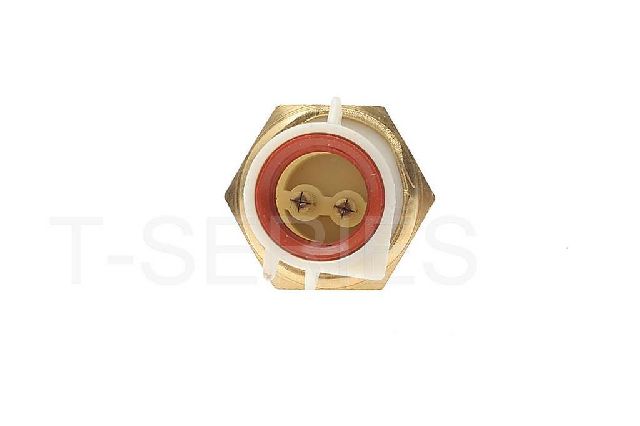
On the 1.9L engine, the Intake Air Temperature sensor is typically located directly on the intake manifold. Look for a small plastic sensor with a two-wire electrical connector threaded into the manifold where air enters the engine.
What happens if I don't replace a bad sensor?
While your car will likely still run, you will continue to experience poor fuel economy, reduced performance, and higher emissions. Driving for an extended period with a very rich fuel mixture can potentially damage your catalytic converter and foul your spark plugs, leading to more expensive repairs down the road.
Are there any recalls for the Mercury Lynx intake sensor?
No, there are no specific recalls or common technical service bulletins (TSBs) from Ford or the NHTSA related to the intake air temperature sensor for the 1987 Mercury Lynx.
Technical Specifications
OEM Part Numbers: e7af12a697aa
Fits the 1.9L 4-Cylinder engine. Typically features a 2-pin connector and threads into the intake manifold.
We Have This Part in Stock


The information in this article is provided for general reference and educational purposes only. Vehicle specifications, procedures, and part compatibility can vary by production date, trim level, and region. Always consult your vehicle's factory service manual and verify part numbers before purchasing or performing repairs. Safety-critical components such as airbags, seat belts, and braking systems should be installed by a qualified professional.
- Mercury Lynx: