

Ford Taurus Catalytic Converter Guide: 1986-1995 Replacement Options
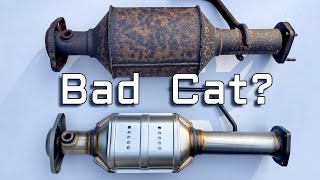
Is your first-generation Taurus feeling sluggish or smelling like rotten eggs? Your catalytic converter might be the problem.
- A failing converter causes power loss, bad smells, and rattling noises.
- Always diagnose and fix the root cause of the failure (e.g., bad spark plugs, rich fuel mix) before replacing the converter.
- For DIY, choose a direct-fit model from a reputable brand like Walker or MagnaFlow for easier installation and better reliability.
- Aftermarket parts are the most practical option, as OEM parts for this generation are rare and very expensive.
Symptoms of a Failing Catalytic Converter on a 1986-1995 Taurus
Catalytic converters on the first-generation Taurus can fail from age, contamination, or physical damage. When they go bad, they usually get clogged or the internal structure breaks apart. Here are the most common signs:
- Sluggish Engine Performance: The most noticeable symptom is a loss of power, especially when accelerating. A clogged converter creates backpressure, essentially choking the engine because it can't push exhaust gases out efficiently.
- Rotten Egg Smell: A distinct sulfur or rotten egg smell from the tailpipe is a classic sign of a failing converter. This happens when the converter can no longer process trace amounts of sulfur in the fuel.
- Rattling Noise: If you hear a rattling sound from under the car, it's likely the ceramic honeycomb inside the converter has broken apart. These loose pieces can cause a blockage and will rattle as exhaust passes over them.
- Poor Fuel Economy: When your engine has to work harder to push exhaust through a restriction, it burns more fuel. A sudden drop in your miles per gallon can point to a clogged converter.
- Check Engine Light: While less sophisticated than on newer cars, the OBD-I system on your Taurus can sometimes detect a converter issue. The most common related code is P0420, indicating low catalyst efficiency. 🎬 See this guide on P0420 code causes and solutions. However, a bad converter won't always trigger a light on these models.
Don't Just Replace the Part—Find the Cause
Catalytic converters usually don't fail on their own. They are often destroyed by another problem with the engine. Before you spend money on a new converter, make sure you or your mechanic check for issues like leaking head gaskets, bad oxygen sensors, worn spark plugs, or a rich fuel mixture. If you don't fix the root cause, you will likely destroy the new converter in a short amount of time.
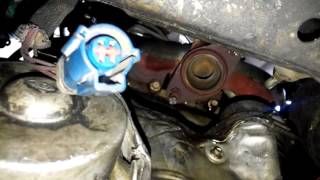
🎬 Watch why this Ford Taurus keeps killing its catalytic converters.Choosing the Right Aftermarket Converter
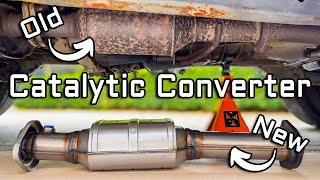
For a vehicle as old as the 1986-1995 Taurus, an original Ford (OEM) catalytic converter is likely discontinued or extremely expensive. Aftermarket parts are the most practical and affordable solution. They fall into two main types and several quality tiers.
Direct-Fit vs. Universal Converters
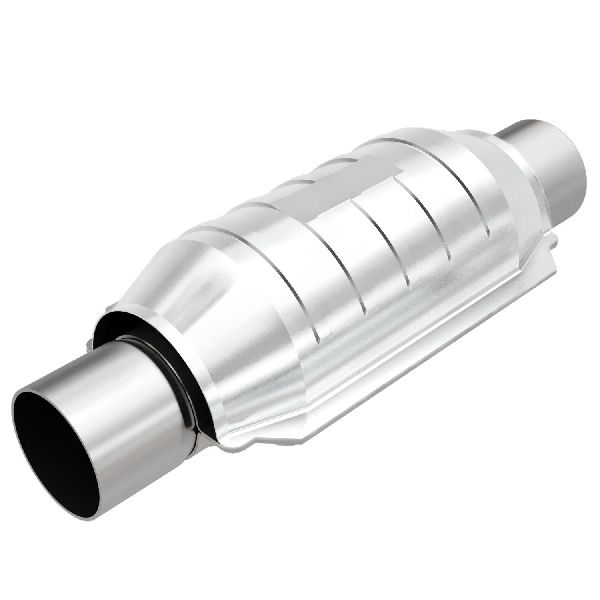
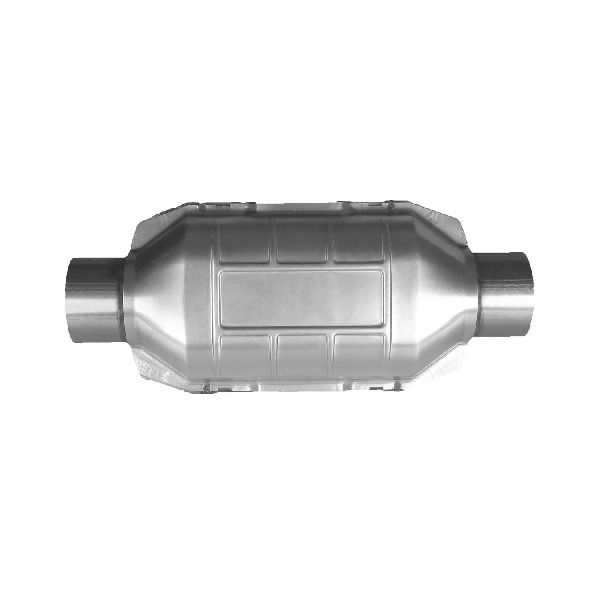
Direct-fit converters are designed to bolt right into your Taurus's specific exhaust system without any modifications. They have the correct flanges and pipe bends, making installation much easier. Universal converters are just the converter body itself and must be welded into your existing exhaust pipes. While cheaper, they require special tools and skills to install correctly.
Pro Tip: For a DIY replacement, always choose a direct-fit converter. The extra cost is well worth avoiding the headache and expense of welding.
Aftermarket Brand Tiers
Not all aftermarket brands are the same. They generally fall into a few categories based on quality, materials, and price.
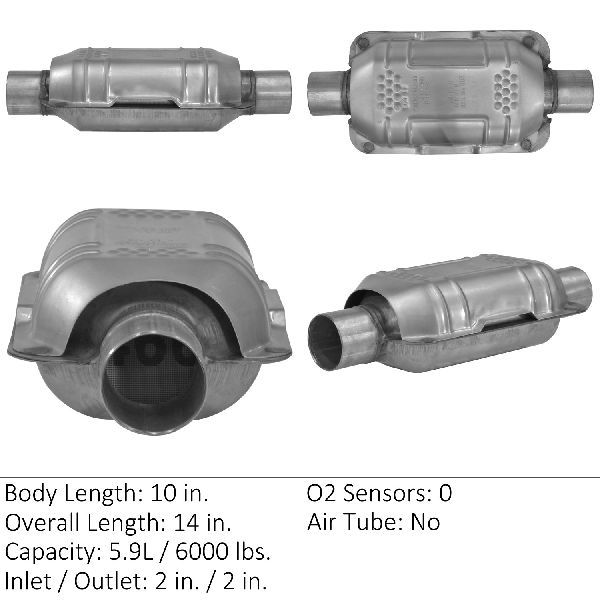
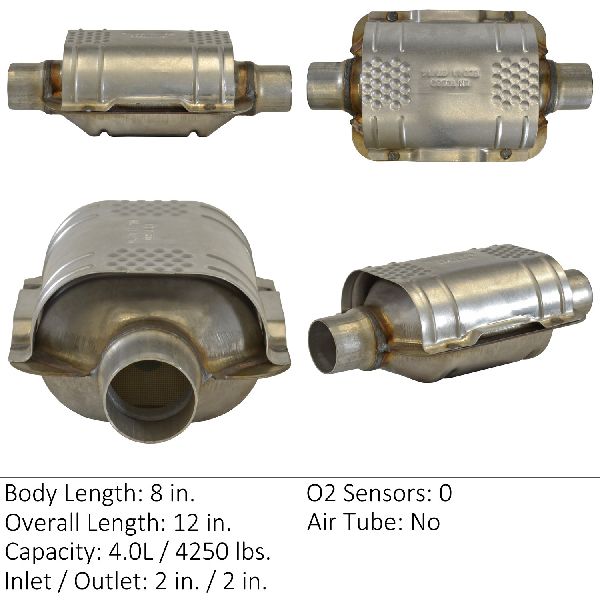
- Good (Value Brands): Brands like AP Exhaust and Eastern Catalytic offer affordable replacements that get the job done. They are a popular choice for older vehicles where budget is a primary concern. While many users have success, they may not last as long as premium brands and have a higher rate of reported issues. Both typically come with a 5-year/50,000-mile warranty.
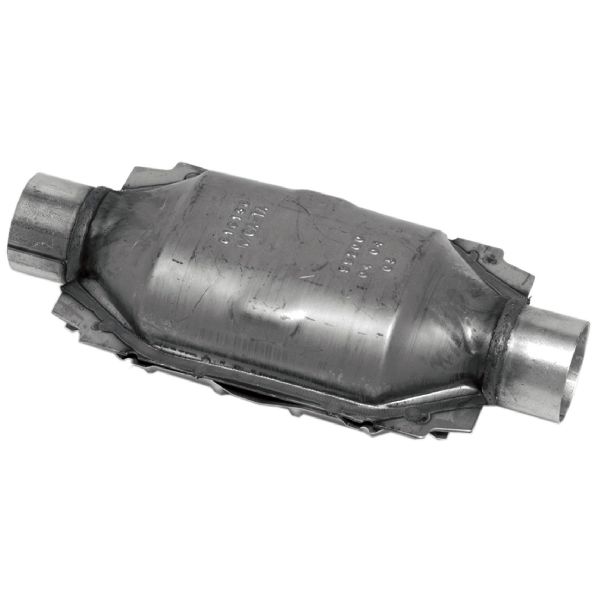
- Better (OEM-Quality Replacement): Walker Exhaust is a well-regarded brand known for making parts that fit and function like the original. They are a trusted choice for mechanics who want a reliable part that won't cause problems. They often provide a good balance of quality and cost.
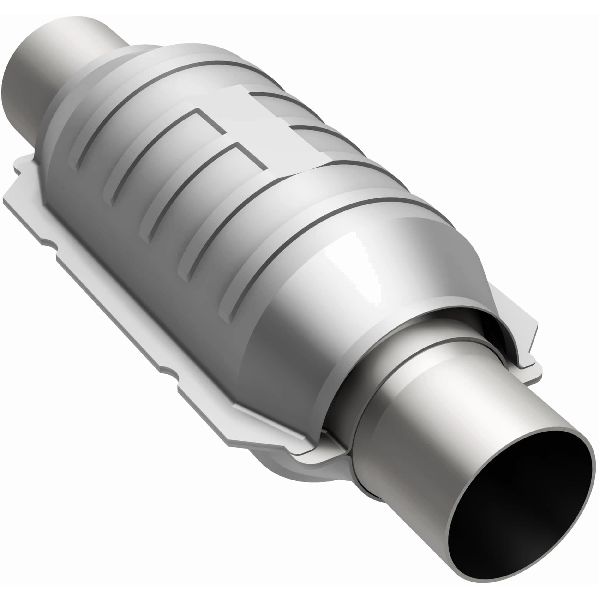
- Best (Performance/Premium): MagnaFlow is known for high-quality stainless steel construction and designs that can improve exhaust flow, potentially offering a slight performance benefit. They are often more expensive but are considered a top-tier aftermarket option.
| Part Type | Estimated Cost |
|---|---|
| New Aftermarket | $84 - $560 |
| Shop Labor (Bolt-on) | $100 - $250 |
| Shop Labor (Weld-in) | $200 - $400 |
| New OEM | $800+ (if available) |
Frequently Asked Questions
Do I need a special converter for California, New York, or Maine?
Yes. Some states have stricter emissions laws and require converters that are CARB (California Air Resources Board) compliant. Most standard aftermarket converters are EPA/Federal compliant only and are not legal for sale or use in these states. Always check local laws and the part's specifications before buying.
Can I clean my clogged catalytic converter?
While some fuel additives claim to clean converters, they are unlikely to fix a truly clogged or melted unit. If the internal honeycomb is physically damaged or blocked, replacement is the only real solution.
Will a new aftermarket converter turn off my check engine light?
If the converter was the only cause of the check engine light (like a P0420 code), a quality replacement should solve the problem. However, cheaper converters with less precious metal loading can sometimes fail to meet the computer's efficiency standards, causing the light to return. Also, if the light was caused by a bad oxygen sensor, replacing the converter alone won't fix it.
How hard is it to replace the converter myself?
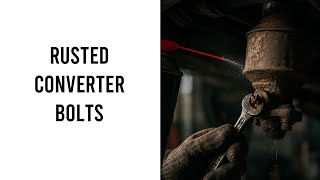
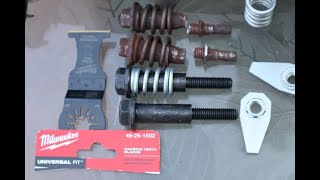
If you buy a direct-fit unit and the bolts on your exhaust are not seized with rust, the job is straightforward for a DIY mechanic. It involves unbolting the old part and bolting in the new one. However, rusted and broken bolts are very common on cars of this age and can turn a simple job into a difficult one requiring cutting or drilling.
🎬 Watch how to handle rusted and broken exhaust bolts.Helpful Videos
![How to Fix P0420 Engine Code in 9 Minutes [7 Methods / Only $9.99]](https://img.youtube.com/vi/lSlfTE77zjE/mqdefault.jpg)

Technical Specifications
OEM Part Numbers: F2DZ-5F250-A
Vehicle is equipped with a pre-OBDII (OBD-I) emissions system. Converters can be direct-fit (bolt-on) or universal (weld-in). Federal/EPA compliant converters are standard, but CARB-compliant models are required in some states.
We Have This Part in Stock

The information in this article is provided for general reference and educational purposes only. Vehicle specifications, procedures, and part compatibility can vary by production date, trim level, and region. Always consult your vehicle's factory service manual and verify part numbers before purchasing or performing repairs. Safety-critical components such as airbags, seat belts, and braking systems should be installed by a qualified professional.
- Ford Taurus: