

Choosing the Right Aftermarket Alternator for Your 1986-1990 Ford F-150
Keep your classic F-150's electrical system strong with the right new alternator.
- Verify if your truck has an internal or external voltage regulator before ordering.
- Inspect the main wiring plug for melting (a common 2G alternator issue) and replace if needed.
- For stock trucks, a 75-amp unit is sufficient; upgrade to 100+ amps if you have added electronics.
- Replacement is a simple, one-hour job for a DIYer with basic tools.
Is Your F-150's Alternator Failing?

On these classic Ford trucks, alternator problems usually show up in obvious ways. Because the alternator powers all electronics, you'll notice issues across the entire truck. Watch for dimming or flickering headlights, especially when you rev the engine. Other signs include a battery warning light on your dash, a battery that keeps dying even after being charged, or slow-rolling power windows. You might also hear a whining or grinding noise from the front of the engine, which could be the alternator's internal bearings failing. In some cases, you might smell burning rubber or plastic as the alternator overheats.
A Known Issue: The 2G Alternator Plug
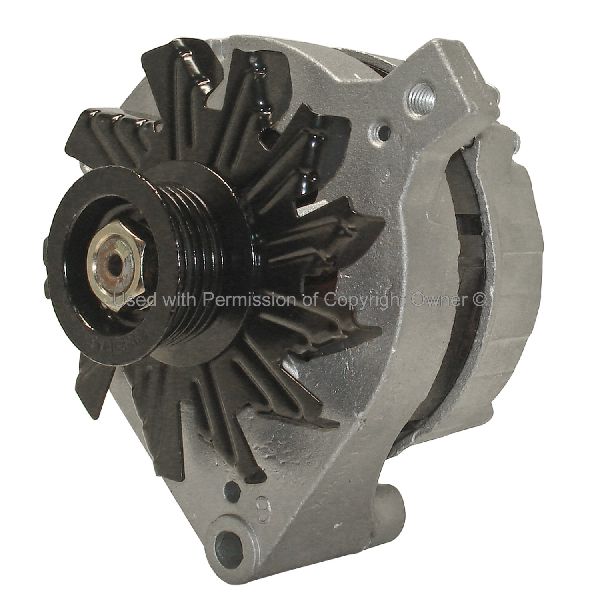
Many F-150s from this era used a Ford "2G" alternator. A well-known problem with these units is the main wiring plug, which can overheat, melt, and cause a poor connection. This can lead to intermittent charging problems or a complete failure. When replacing your alternator, inspect this plug carefully. If it shows any signs of melting, scorching, or corrosion, it's critical to replace the connector pigtail at the same time.
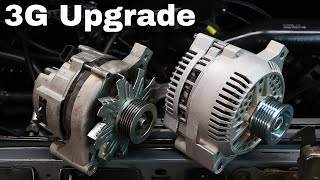
🎬 See how to upgrade from the 2G to a 3G alternator.Choosing the Right Aftermarket Alternator


When shopping for a new alternator, you don't need to hunt down an expensive and rare original Ford part. Today's aftermarket offers excellent options that meet or exceed original specifications. The most important factors are amperage, voltage regulator type, and brand quality.
Key Considerations:
- Amperage (Amps): Stock alternators on these trucks were typically 60 or 75 amps. If your truck is stock, a 75-amp replacement is a solid choice. If you've added accessories like off-road lights, a powerful stereo, or a winch, you should upgrade to a high-output alternator (100 amps or more). Brands like Powermaster specialize in these high-amperage units.
- Voltage Regulator: During this period, Ford transitioned from external to internal voltage regulators. Some 1986 models may have an external regulator box mounted on the fender, while later models have the regulator built into the alternator itself. It is critical to order the correct type for your specific truck to ensure it functions correctly. Check your existing setup before you buy.
- Brand Tiers: Not all brands are created equal. For a reliable daily driver, brands like Bosch and Remy have a strong reputation, often as original equipment manufacturers for Ford. For high-performance needs, Powermaster is a popular choice for high-output options. Brands like BBB Industries and MPA offer solid, budget-friendly replacements that meet factory specs.
| Tier | Brands | Best For |
|---|---|---|
| Premium / High-Output | Powermaster, Proform | Trucks with added electrical accessories (lights, winches, stereos). |
| OE-Quality Replacement | Bosch, Remy | Stock or lightly modified trucks seeking long-term reliability. |
| Standard Replacement | BBB Industries, MPA | Budget-conscious repairs for stock vehicles. |
Pro Tip: Consider a 'Big 3' Wire Upgrade
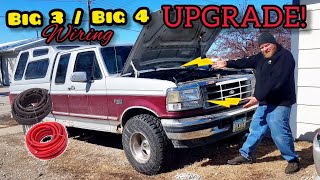
If you're installing a high-output alternator, your factory wiring may not be sufficient to handle the extra power. A "Big 3" wiring upgrade kit increases the size of the main charging wires: the alternator-to-battery wire, the battery-to-chassis ground, and the engine-to-chassis ground. This allows the new alternator to deliver its full potential safely and efficiently.
🎬 Watch a demonstration of the Big 3 wiring upgrade process.Frequently Asked Questions (FAQ)

Can I replace the alternator myself?
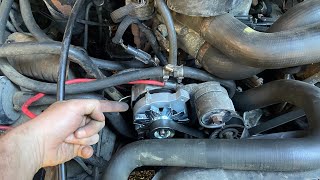
Yes, for most people with basic hand tools, this is a very DIY-friendly job. The alternator is typically easy to access in the engine bay. The process involves disconnecting the battery, loosening the accessory belt, unbolting the alternator, and swapping the electrical connections. The entire job can usually be done in about an hour.
🎬 Watch this step-by-step guide to replacing your F-150 alternator.Do I need a high-output alternator?
If your truck is completely stock, a standard 75-amp alternator is perfectly fine. However, if you have added or plan to add electrical accessories like a winch, large sound system, or multiple off-road lights, a high-output alternator (100A, 150A, or more) is a wise investment to prevent electrical issues and ensure everything runs properly.
What's the difference between an internal and external voltage regulator?
The voltage regulator's job is to keep the alternator's output at a steady level (around 14 volts) to prevent overcharging the battery and damaging electronics. Older systems used a separate, external box mounted in the engine bay. Newer systems integrate this function directly inside the alternator case. Your 1986-1990 F-150 could have either, so it's crucial to check which system your truck has before ordering a replacement.
What tools do I need to replace the alternator?
You'll need a basic socket and ratchet set. Common socket sizes for this job are 9/16" and 5/8". You will also need a tool to release the tension on the accessory belt, which can often be done with a ratchet or a dedicated serpentine belt tool. Always disconnect the negative battery cable first for safety.
Helpful Videos

Technical Specifications
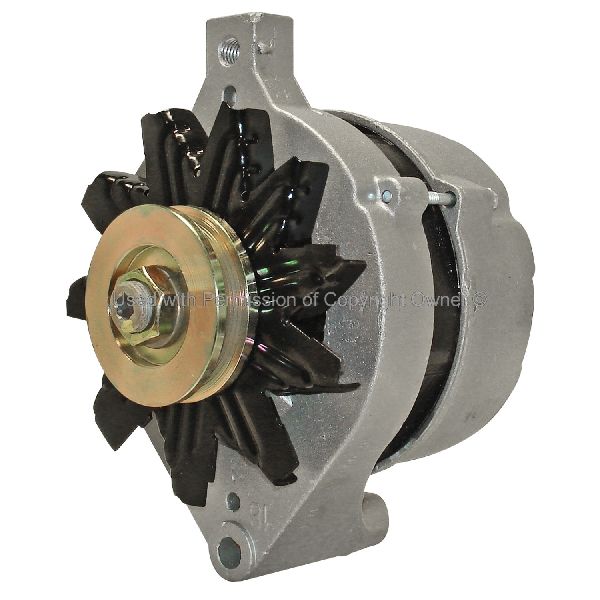
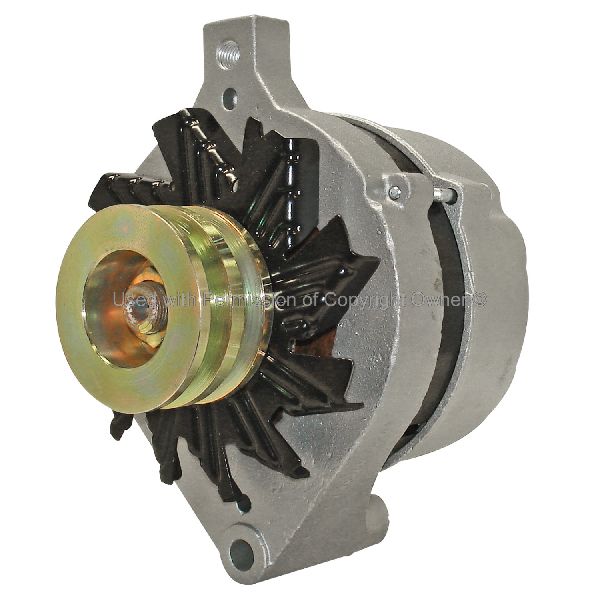
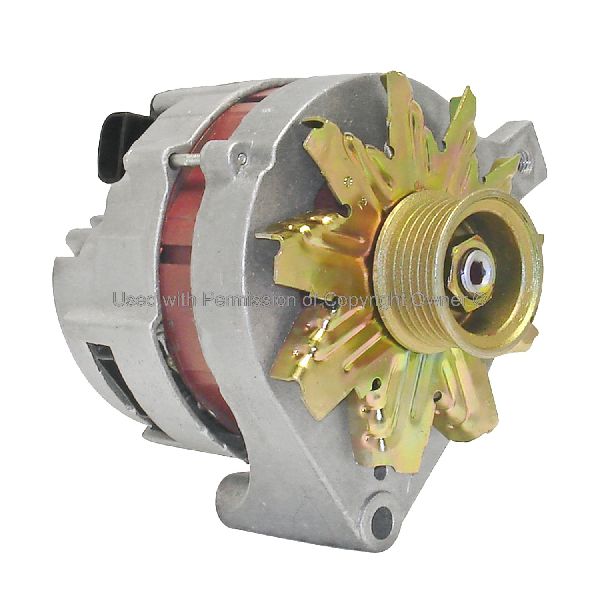
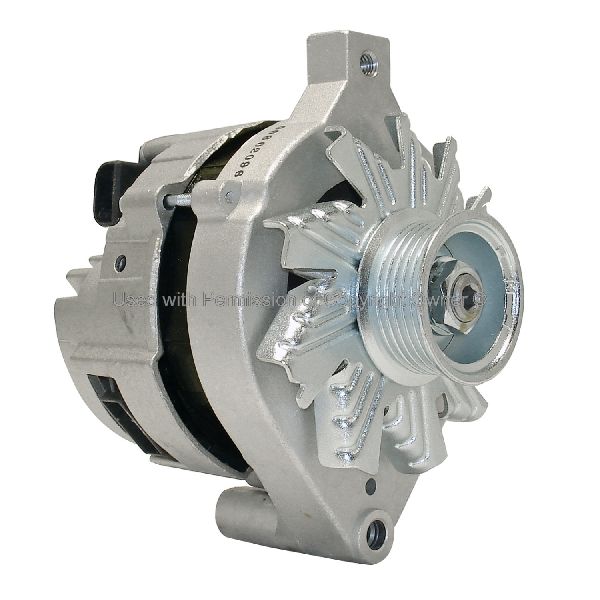
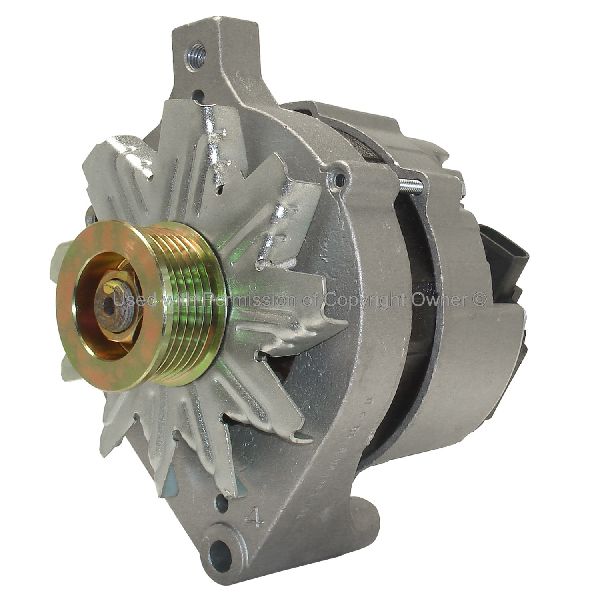
Stock amperage was typically 60A or 75A. Both internally and externally regulated versions were used. The Ford 2G alternator was common and known for issues with its wiring connector. Pulley types can be V-belt or serpentine depending on the year and engine configuration.
We Have This Part in Stock

The information in this article is provided for general reference and educational purposes only. Vehicle specifications, procedures, and part compatibility can vary by production date, trim level, and region. Always consult your vehicle's factory service manual and verify part numbers before purchasing or performing repairs. Safety-critical components such as airbags, seat belts, and braking systems should be installed by a qualified professional.
- Ford F-150: