

Chrysler Laser Engine Coolant Bypass Hose: A Guide for the 1986 Model Year
Keep your 1986 Chrysler Laser's engine temperature in check by understanding this critical cooling system hose.
- For a 1986 Chrysler Laser, failure of the rubber bypass hose is due to age; there are no specific factory defects or recalls.
- Symptoms include coolant leaks, a sweet smell, and potential engine overheating.
- OEM parts are unavailable; a quality molded aftermarket hose from a brand like Gates is the correct replacement.
- Always replace hose clamps with the hose and inspect other coolant hoses at the same time.
Understanding the Engine Coolant Bypass Hose on Your '86 Laser
For a classic vehicle like the 1986 Chrysler Laser, maintaining the cooling system is critical to engine longevity. Rubber components are especially prone to failure simply due to age. The engine coolant bypass hose is one of these parts. While it's not the largest hose in your engine bay, its failure can lead to significant problems. This hose is typically a short, molded piece of rubber designed to withstand high temperatures and coolant chemicals.
Symptoms of a Failing Bypass Hose
A bad bypass hose will almost always result in a coolant leak. Because of the age of the 1986 Laser, it's a matter of when, not if, rubber hoses will need replacement. Look for these signs:
- Coolant Leaks: You might see puddles of green or orange fluid under your car. A small leak might not even hit the ground, but you may notice a thin film of coolant on the engine near the hose.
- Sweet Smell: Antifreeze has a distinct, sweet odor. If you smell this in or around your engine bay, you have a leak.
- Low Coolant Levels: If you find yourself constantly needing to top off the coolant reservoir, a slow leak from a deteriorating hose is a likely cause.
- Engine Overheating: A major split in the hose will cause rapid coolant loss, leading to engine overheating. This is a critical situation that can cause severe engine damage.
- Visible Hose Damage: Inspect the hose for cracks, swelling, bulging, or soft, spongy spots. Any visible damage means the hose should be replaced immediately.
No Recalls or TSBs, But Age is the Enemy
There are no active recalls or specific Technical Service Bulletins (TSBs) from Chrysler or the NHTSA for the engine coolant bypass hose on the 1986 Chrysler Laser. Any failure today is due to the natural degradation of rubber over nearly four decades. When one coolant hose fails due to age, others are likely to follow. It is wise to inspect all coolant hoses, including radiator and heater hoses, at the same time.
Choosing the Right Aftermarket Hose
For a 1986 vehicle, finding a New Old Stock (NOS) or Original Equipment (OEM) bypass hose from a Chrysler dealer is highly unlikely. The aftermarket is your only realistic source for this part.
OEM vs. Aftermarket Quality:
Original hoses were designed for a perfect fit and met Chrysler's quality standards at the time. However, modern aftermarket parts from reputable brands often use advanced materials like EPDM rubber, which offers excellent resistance to heat, ozone, and chemical degradation—the main causes of hose failure. For a vehicle of this age, a quality aftermarket hose is not a compromise; it's the best available option.
Recommended Brand: Gates
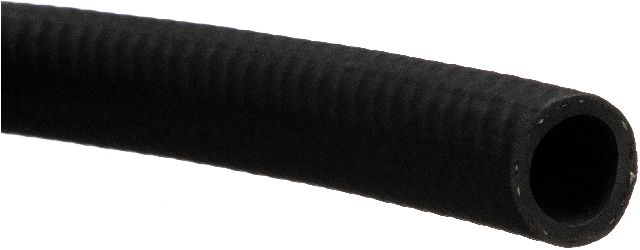
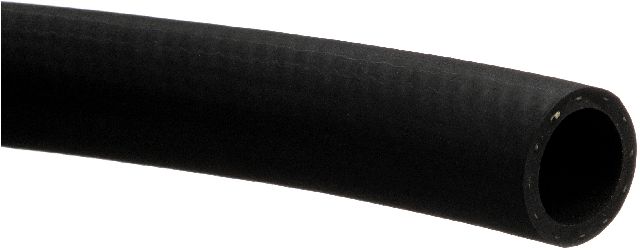
Gates is a well-known and respected manufacturer in the automotive aftermarket. Their molded coolant hoses are engineered to meet or exceed OEM specifications. They are made from high-quality EPDM rubber and are pre-shaped to match the original part's fit, which is crucial in tight engine bays. This avoids the problems associated with using generic, straight hoses that can kink and restrict coolant flow.
Always replace the hose clamps when you replace a coolant hose. Old clamps can lose their tension or corrode, leading to leaks even with a new hose. Spring-style clamps are often preferred as they maintain constant tension as the hose material expands and contracts with temperature changes.
| Part Type | Estimated Cost |
|---|---|
| New Aftermarket (Gates) | $81.22 - $93.36 |
| Shop Labor | $90 - $150 |
| New OEM | Not Available |
| Used OEM | Not Recommended |
Frequently Asked Questions
Can I drive with a leaking bypass hose?
No. A coolant leak can quickly escalate from a small drip to a complete failure, causing rapid coolant loss and leading to severe engine overheating and damage. It is not safe to drive.
Is replacing the bypass hose a DIY job?
For a moderately experienced DIY mechanic, yes. The primary challenges are accessing the hose (which can be tight depending on the engine configuration, especially if turbocharged) and properly draining and refilling the coolant to avoid air pockets in the system. If you are not comfortable with this process, a professional mechanic can do the job relatively quickly.
What type of coolant should I use for my 1986 Laser?
Vehicles from this era typically used a conventional green Inorganic Additive Technology (IAT) coolant. However, previous owners may have switched to a different type. It is critical NOT to mix different coolant types. If you are unsure what is in the system, it is best to perform a complete flush and refill with a single, compatible coolant type, mixed 50/50 with distilled water.
Why can't I just use a generic straight hose?
The bypass hose is a "molded" hose, meaning it is specifically shaped to fit in a tight space without kinking or touching hot engine components. Using a straight hose can lead to restricted flow, premature failure from rubbing, or kinks that stop coolant from circulating properly.
Technical Specifications
Molded EPDM rubber construction, resistant to heat and electrochemical degradation.
We Have This Part in Stock

The information in this article is provided for general reference and educational purposes only. Vehicle specifications, procedures, and part compatibility can vary by production date, trim level, and region. Always consult your vehicle's factory service manual and verify part numbers before purchasing or performing repairs. Safety-critical components such as airbags, seat belts, and braking systems should be installed by a qualified professional.
- Chrysler Laser: