

A Mechanic's Guide to the 1985-1997 Toyota Corolla Throttle Position Sensor
Solve common hesitation, stalling, and rough idle issues by understanding and choosing the right throttle position sensor for your Corolla.
- A failing TPS on a 1985-1997 Corolla typically causes hesitation, rough idle, stalling, and poor automatic shifting.
- Replacement is a feasible DIY job, but proper adjustment with a multimeter after installation is critical for correct operation.
- Choosing a quality aftermarket brand like NGK or Standard Ignition is a reliable and cost-effective alternative to a more expensive OEM Denso part.
- Do not ignore symptoms; a bad TPS can make the vehicle unsafe to drive and lead to other component damage.
Understanding the Throttle Position Sensor on Your Corolla

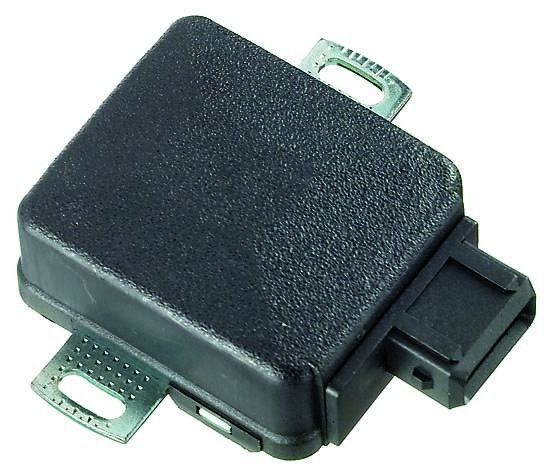
The throttle position sensor (TPS) on the 1985 to 1997 Toyota Corolla is a simple but vital part. It acts like a volume knob for your engine. As you press the gas pedal, the throttle opens, and the TPS sends a changing voltage signal to the main computer. This signal tells the computer how much air is entering the engine, so it can add the right amount of fuel. When this sensor starts to fail, the computer gets bad information, leading to a range of engine problems that can be frustrating for any driver.
Symptoms of a Failing TPS

A bad TPS can make your reliable Corolla feel unpredictable. Because the sensor's signal is used for so many engine and transmission functions, the symptoms can sometimes be confusing. Here are the most common signs that your TPS may be failing:
🎬 Watch: A visual guide to common bad TPS symptoms.- Hesitation or Stumbling: The car may hesitate or bog down when you try to accelerate. This is one of the most frequent complaints.
- Rough or Erratic Idle: Your engine's idle speed might be too high, too low, or fluctuate up and down.
- Stalling: The engine may stall unexpectedly, especially when you let off the gas.
- Poor Fuel Economy: If the computer receives an incorrect signal, it may inject too much fuel, hurting your gas mileage.
- Check Engine Light: A failing TPS will often trigger a Check Engine Light. Common trouble codes include P0120, P0121, P0122, or OBD I code 41.
- Automatic Transmission Problems: On automatic models, a bad TPS can cause harsh, delayed, or incorrect gear shifts because the transmission computer doesn't know what the engine is doing.
A Note on Adjustment
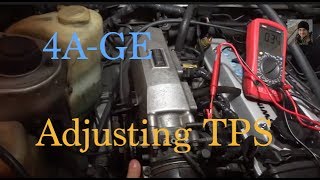
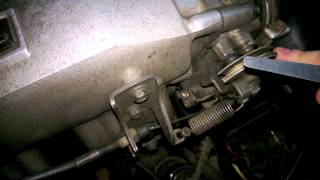
On these older Corollas, a new TPS often needs to be adjusted after installation. This is not a simple plug-and-play part for many models in this year range. Adjustment requires a multimeter and feeler gauges to set the sensor to the correct base reading at idle. 🎬 Watch: How to properly adjust the TPS on a Corolla. Skipping this step can make the car run worse than before.
OEM vs. Aftermarket TPS: What's the Best Choice?

For a classic car like the 1985-1997 Corolla, finding parts can be a mix of options. The original equipment (OEM) sensor was made by Denso. While a new Denso sensor is always a top-quality choice, it can be expensive or hard to find. High-quality aftermarket sensors offer a great balance of performance and value.
Brand Quality Tiers for Your Corolla:
- Top Tier (Recommended): Brands like NGK (NTK) and Standard Motor Products (Standard Ignition) have a strong reputation for producing reliable sensors that meet or exceed OEM specifications. Forum discussions among Toyota owners frequently recommend these brands as the best alternative to OEM.
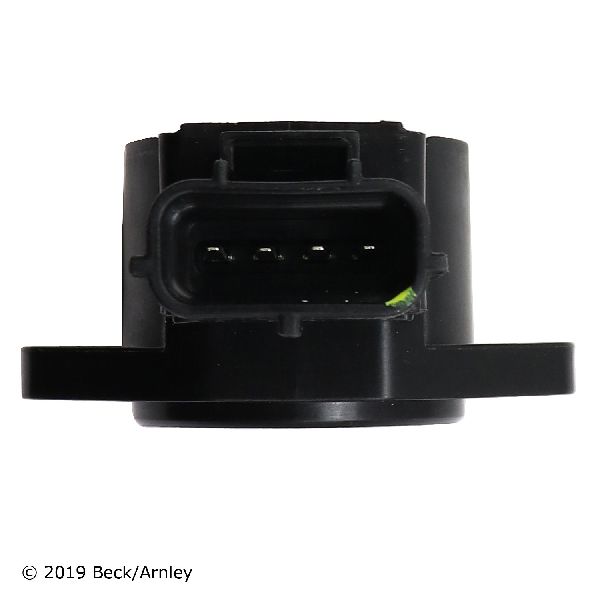
- Mid Tier (Good Value): Beck Arnley is a well-known brand that often re-packages parts from various manufacturers. Sometimes you might even get an OEM Denso part in a Beck Arnley box, but it can be inconsistent. They are generally a solid choice but check the part upon arrival.
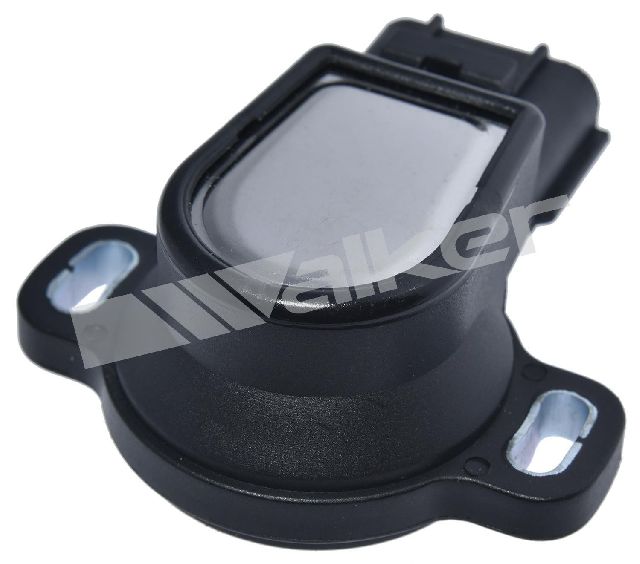
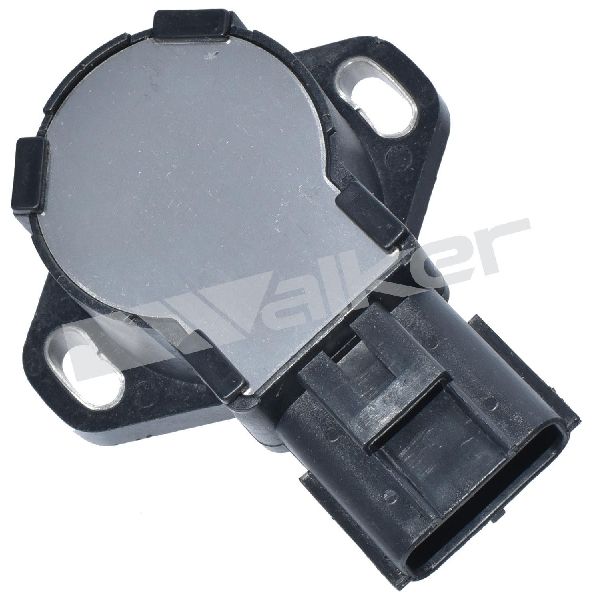
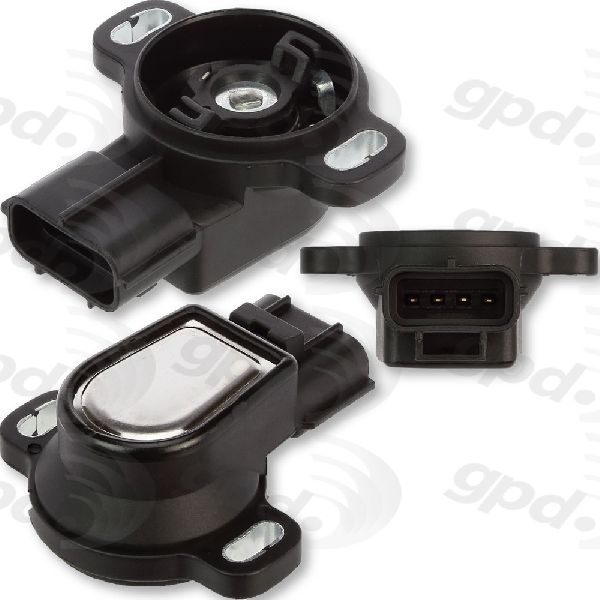
- Economy Tier (Budget-Friendly): Brands like Walker Products, Facet, and Global Parts offer the most affordable options. While they can get your car back on the road, their long-term reliability and consistency can be a gamble. They may be a good choice for a temporary fix or if budget is the primary concern.
Pro Tip: Given the low cost of labor (or your own time) and the critical function of the part, spending a little extra on a top-tier aftermarket brand like NGK or Standard Ignition is a wise investment for long-term reliability.
Cost to Replace a Corolla Throttle Position Sensor
| Part/Service | Estimated Cost |
|---|---|
| New Aftermarket Part | $35 - $255 |
| New OEM (Denso) Part | $150 - $300+ |
| Shop Labor | $75 - $150 |
| Total Professional Replacement (Aftermarket) | $110 - $405 |
Frequently Asked Questions (FAQ)

Is the throttle position sensor hard to replace myself?
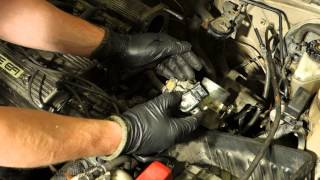
For most DIY mechanics, this is a relatively easy job. The TPS is located on the side of the throttle body and is held on by two screws. 🎬 See this walkthrough on how to replace the sensor. The main challenge is not the removal, but the adjustment process which requires a multimeter to ensure it's calibrated correctly. Total time is usually under an hour.
Can I just clean my old TPS?
No. The throttle position sensor is a sealed electronic component. The problems are usually caused by internal wear on the sensor's electrical contacts, not dirt. While you should clean the throttle body itself when you replace the sensor, cleaning the TPS will not fix it.
Were there any recalls for the Corolla TPS?
No, there have been no specific recalls issued by the NHTSA for the throttle position sensor on 1985-1997 Toyota Corollas. There were well-known recalls for accelerator pedals on later model Toyotas, but these did not involve the TPS itself.
What happens if I don't replace a bad TPS?
Driving with a faulty TPS can be unsafe. The car may stall in traffic, fail to accelerate when you need to merge, or have unpredictable power surges. It will also fail an emissions test and cause long-term strain on other components like the transmission and catalytic converter due to incorrect fuel mixtures and shifting patterns.
Helpful Videos

Technical Specifications
OEM Part Numbers: 89452-12050 89452-22090 89452-10040 89452-20130 89452-28010
Typically a 3-pin or 4-pin potentiometer-style sensor mounted to the throttle body. Requires adjustment via multimeter and feeler gauges on most models within this year range.
We Have This Part in Stock


The information in this article is provided for general reference and educational purposes only. Vehicle specifications, procedures, and part compatibility can vary by production date, trim level, and region. Always consult your vehicle's factory service manual and verify part numbers before purchasing or performing repairs. Safety-critical components such as airbags, seat belts, and braking systems should be installed by a qualified professional.
- Toyota Corolla: