

Chrysler Imperial Engine Coolant Bypass Hose: A Comprehensive Guide (1985-1993)
Address coolant leaks and overheating in your Imperial by understanding this critical cooling system component.
- Verify your Imperial's engine (V8 for 1985-87, V6 for 1990-93) to ensure you order the correct hose.
- Symptoms include coolant leaks, overheating, and a sweet smell from the engine.
- Both Continental and Gates are reputable aftermarket brands for this part.
- It is wise to replace hose clamps and inspect other cooling hoses during the repair.
Understanding the Engine Coolant Bypass Hose in Your Imperial
The Chrysler Imperial models from 1985-1993 span two different vehicle generations, which use different engines and, therefore, different coolant bypass hoses. It is critical to identify your vehicle's specific year and engine to get the correct part.
- 1985-1987 Imperial: This generation typically used a 5.2L V8 engine. The cooling system layout is distinct from the later models.
- 1990-1993 Imperial: This generation was equipped with either a 3.3L or 3.8L V6 engine. These engines have their own specific molded bypass hose.
Because of its constant exposure to high temperatures and pressure, the rubber bypass hose will degrade over time. Cracks, brittleness, and swelling are common signs of age, which can lead to coolant leaks and potential engine damage.
Symptoms of a Failing Bypass Hose
A bad coolant bypass hose will show several warning signs. Ignoring them can lead to serious engine overheating.
- Coolant Puddles: The most obvious sign is a puddle of green, orange, or pink fluid under the front of your car. A leak from the bypass hose may drip onto other engine parts, making the exact source hard to find at first.
- Sweet Smell: Leaking coolant evaporates on hot engine surfaces, producing a distinct sweet, syrup-like smell from the engine bay.
- Low Coolant Level: You may notice the coolant level in the reservoir is consistently low, requiring frequent top-offs. This can be caused by a slow, seeping leak that isn't large enough to form a puddle.
- Engine Overheating: If the hose fails completely, it will cause a significant loss of coolant, leading to the engine's temperature gauge rising into the red. Steam may also be visible from under the hood.
Known Issues & Recalls
As of early 2026, there are no specific recalls or technical service bulletins (TSBs) from the National Highway Traffic Safety Administration (NHTSA) related to the engine coolant bypass hose for the 1985-1993 Chrysler Imperial. However, a recall was issued for the 1990-1993 models concerning the ABS hydraulic control unit.
Choosing the Right Aftermarket Bypass Hose
For a vehicle of this age, finding a new Original Equipment Manufacturer (OEM) hose from Chrysler is highly unlikely. Aftermarket brands are the most practical and available option. Both Continental and Gates are well-regarded manufacturers of cooling system components.
- Brand Quality: Both Gates and Continental produce high-quality EPDM rubber hoses engineered to resist heat, chemicals, and electrochemical degradation, which is a leading cause of hose failure. Forum discussions among mechanics show that both brands are trusted, with fitment being the primary difference.
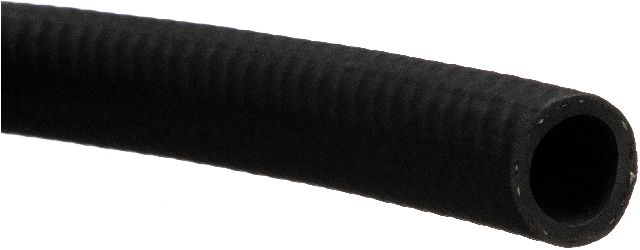
- Molded vs. Universal: The bypass hose for these Imperials is a molded part, meaning it is pre-shaped to fit the specific engine layout. Do not use a generic, straight piece of hose, as it can kink and restrict coolant flow.
Estimated Replacement Costs
The cost for a new aftermarket engine coolant bypass hose is relatively low. The main cost of a professional repair will be labor.
| Part/Service | Estimated Cost |
|---|---|
| New Aftermarket Bypass Hose | $80.54 - $81.22 |
| Shop Labor | $90 - $180 |
| Total Professional Replacement | $170 - $262 |
Cost estimates are for the part and labor only and do not include coolant or other related parts.
Frequently Asked Questions
Can I replace the coolant bypass hose myself?
Yes, this is a feasible DIY job for someone with basic mechanical skills. The main steps involve draining the cooling system, accessing the hose (which may require removing other components), replacing the hose and clamps, and then refilling and bleeding the cooling system to remove air pockets. Ensure the engine is completely cool before starting.
What type of coolant should I use in my Imperial?
For these model years, a conventional green Inorganic Additive Technology (IAT) coolant is typically appropriate. However, always consult your owner's manual or a reliable service guide for the exact specification. Using the wrong type of coolant can cause corrosion and damage to the cooling system.
Why is the aftermarket hose so expensive?
While some bypass hoses are simple straight tubes, the hose for your Imperial is likely a complex, molded assembly with multiple branches or specific angles. The complexity of manufacturing these specific shapes for an older, less common vehicle contributes to a higher price compared to a simple radiator hose.
Should I replace other hoses at the same time?
Yes. If the bypass hose has failed due to age, it is very likely that the upper and lower radiator hoses, as well as heater hoses, are also nearing the end of their service life. It is a cost-effective and preventative measure to replace all major coolant hoses at the same time.
Technical Specifications
This is a molded EPDM rubber hose, specific to the engine type (3.3L/3.8L V6 or 5.2L V8). It is not interchangeable with universal hose stock.
We Have This Part in Stock


The information in this article is provided for general reference and educational purposes only. Vehicle specifications, procedures, and part compatibility can vary by production date, trim level, and region. Always consult your vehicle's factory service manual and verify part numbers before purchasing or performing repairs. Safety-critical components such as airbags, seat belts, and braking systems should be installed by a qualified professional.
- Chrysler Imperial: