

Ford Bronco Vehicle Speed Sensor (VSS) Explained: 1985-1992
Fix your Bronco's erratic speedometer and harsh shifting by understanding and choosing the right Vehicle Speed Sensor.
- First, identify your system: a cable-driven sensor (older models) or a differential-mounted sensor (newer models, '90+).
- A bad VSS is a primary cause of severe shifting problems in Broncos with the E4OD automatic transmission.
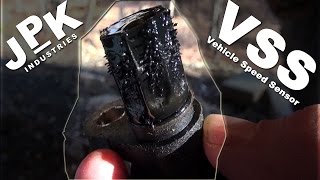
- Before replacing the sensor, inspect and clean it. Clean the magnetic tip on differential sensors or check the plastic gear on cable-driven sensors.
- For reliability, especially with an E4OD transmission, choosing a Motorcraft or a trusted aftermarket brand like Standard Ignition is recommended.
Is Your Bronco's Speedometer or Shifting Acting Up?
If you own a 1985 to 1992 Ford Bronco, a faulty Vehicle Speed Sensor (VSS) can cause some of the most common and frustrating problems. These issues often appear as a wildly bouncing speedometer needle, or worse, harsh and unpredictable automatic transmission shifting. Because this generation of Bronco spans a transition from mechanical to electronic parts, there are two main types of speed sensors you might have.
Two Types of Speed Sensors in This Generation
It is critical to know which system your Bronco uses before buying a part:
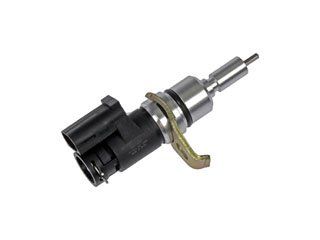
- Cable-Driven Sensor (approx. 1985-1990): On models with a cable-driven speedometer, the VSS is often a small electronic sensor that screws in-line with the speedometer cable. Its main job is usually to provide a signal for the cruise control. The speedometer itself is turned by a physical, spinning cable.
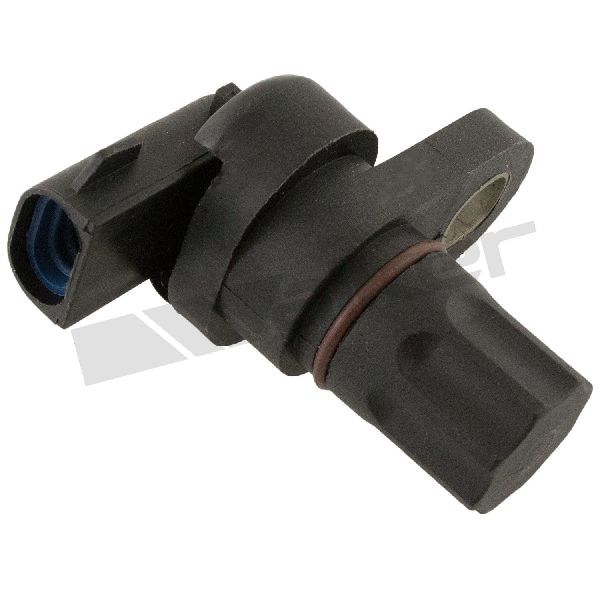
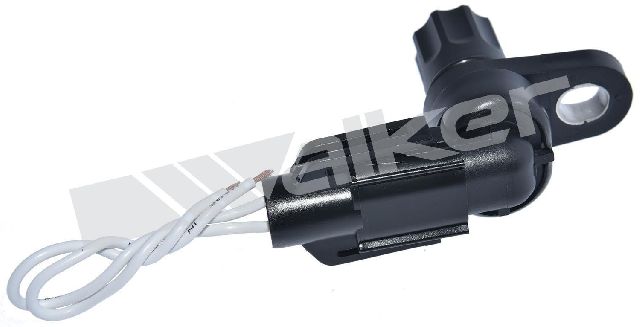
- Rear Differential Sensor (approx. 1990-1992): On later models with electronic speedometers and the E4OD automatic transmission, the VSS is typically located on the top of the rear differential housing. This sensor is also the Rear Anti-lock Brake System (RABS) sensor. It reads the teeth on a ring inside the differential to generate a speed signal. This signal is essential for the speedometer, ABS, cruise control, and automatic transmission shifting.
Common Symptoms of a Failing VSS
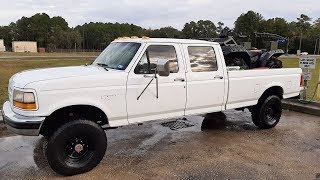
- Harsh or Erratic Automatic Shifting: The most serious symptom. The E4OD transmission will slam into gear, shift at the wrong time, or fail to shift into overdrive. 🎬 Watch: How a bad VSS causes harsh shifting issues.
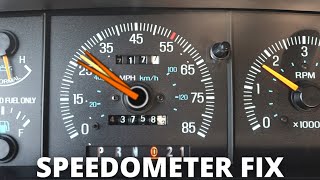
- Dead or Bouncing Speedometer: The speedometer needle may jump around wildly or not move at all. 🎬 See this guide on fixing a bouncing speedometer needle.
- Flashing Overdrive (O/D) Light: The O/D OFF light on the shifter may start blinking.
- Cruise Control Doesn't Work: The system needs a steady speed signal to function.
- ABS Light On: Since the VSS is often the same as the ABS sensor, a failure can trigger the ABS warning light.
Choosing the Right Aftermarket VSS: Brand Quality
When replacing your VSS, you have several options. While an OEM part from Motorcraft is always a safe bet, high-quality aftermarket brands can offer excellent performance for a lower price.
| Brand Tier | Brands | Our Price Range | Quality & Reputation |
|---|---|---|---|
| Premium / OEM | Motorcraft, NGK | $50 - $271 | Motorcraft is the original Ford part, offering a perfect fit and trusted reliability. NGK (and its sensor brand NTK) is a top-tier sensor manufacturer known for quality that meets or exceeds OEM standards. |
| Trusted Aftermarket | Standard Ignition (SMP) | $30 - $70 | Standard Ignition is a well-respected brand in the repair community, known for making reliable parts that work correctly out of the box. A solid choice for a dependable repair. |
| Budget-Friendly | Dorman, Walker Products, True Tech | $21 - $50 | These brands provide a cost-effective solution. Dorman is known for making a wide range of parts and sometimes improves on the original design, though quality can vary. Walker and True Tech are typically entry-level price point brands. |
Frequently Asked Questions (FAQ)
Where is the VSS located on my 1985-1992 Bronco?
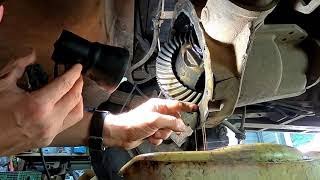
It depends on the year and transmission. On later models (approx. '90-'92), it's most likely on top of the rear differential, held by one bolt. 🎬 Watch: A quick walkthrough of the VSS replacement process. On older models, it's a small sensor that the speedometer cable screws into, usually located at the transmission or transfer case.
Is the VSS the same as the ABS sensor?
On many 1990-1992 Broncos, yes. The sensor on the rear differential provides the signal for both the Rear Anti-lock Brakes (RABS) and the vehicle speed. This is a common point of confusion at parts stores.
Can a bad VSS cause my Bronco not to start?
No. A failing VSS will not prevent the engine from starting. It will only cause problems once the vehicle is moving.
How do I test my VSS?
For the differential sensor, you can test its resistance with a multimeter (ohms) to see if it's within spec. You can also check for an AC voltage signal while spinning the wheels. However, the easiest first step is to remove it, clean the tip of any metal shavings, and check the wiring for damage.
Helpful Videos
Technical Specifications
OEM Part Numbers: E9TZ-9E731-A E3AZ-9E731-A F85Z-9E731-AB
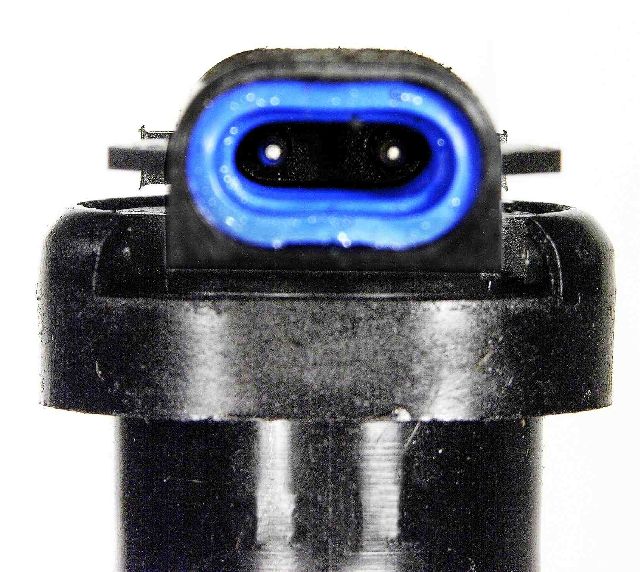
Location: Transmission/Transfer Case (cable-driven) or Rear Differential (magnetic pickup). Connector: Typically a 2-pin electrical connector.
We Have This Part in Stock


The information in this article is provided for general reference and educational purposes only. Vehicle specifications, procedures, and part compatibility can vary by production date, trim level, and region. Always consult your vehicle's factory service manual and verify part numbers before purchasing or performing repairs. Safety-critical components such as airbags, seat belts, and braking systems should be installed by a qualified professional.
- Ford Bronco: