

A Guide to the 1985-1991 Subaru XT A/C System Valve Core & Cap Kit
Fixing a weak or non-working air conditioner on your classic XT often starts with these small, but critical, parts.
- A leaking A/C valve core is a very common cause of slowly weakening A/C performance on an 1985-1991 Subaru XT.
- You must know if your XT's A/C system uses the original R-12 refrigerant or has been converted to R-134a before buying parts.
- Aftermarket kits from brands like Four Seasons are affordable and reliable, but the seals must match your refrigerant type.
- Replacement requires a full A/C system evacuation and recharge by a professional with the proper equipment; this is not a simple DIY parts swap.
Is Your XT's A/C Losing Its Cool? Check the Valve Cores.
If the air conditioning in your 1985-1991 Subaru XT isn't blowing as cold as it used to, a slow refrigerant leak is the most likely cause. While there are many places a leak can occur, a common and often overlooked source is the A/C service port valve cores. After more than 30 years, the tiny rubber seals inside these valves can dry out, shrink, and fail, allowing refrigerant to escape slowly over time. The caps also lose their sealing ability, letting dirt in and refrigerant out.
The R-12 vs. R-134a Issue
Your 1985-1991 Subaru XT was built to use R-12 refrigerant. Production of R-12 was banned in 1996, so most vehicles have either been converted to the modern R-134a standard or their A/C systems no longer function. This is the single most important factor when buying a valve core kit. The seals must be compatible with the type of refrigerant and oil in your system. Kits compatible with R-134a use different seal materials (often green or black) to handle the different pressures and oil. Using the wrong seals will lead to rapid failure.
Choosing the Right Aftermarket Valve Core Kit
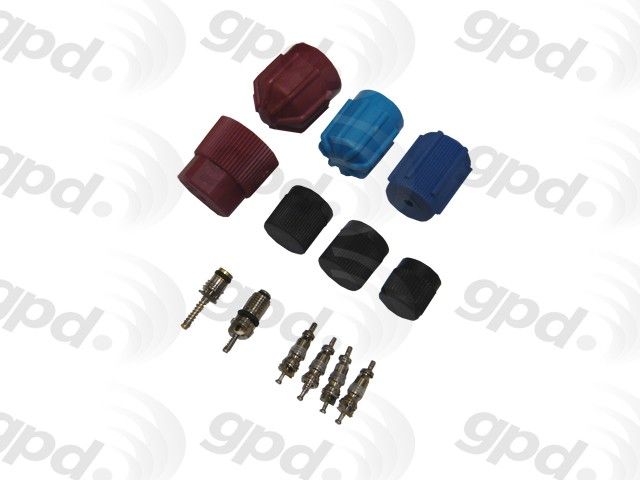
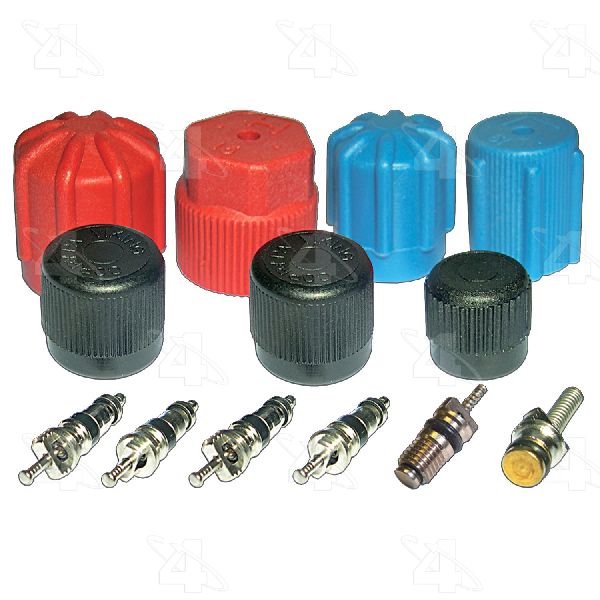
For a vehicle of this age, finding original OEM valve cores is unlikely and unnecessary. Aftermarket kits from brands like Four Seasons and Global Parts (GPD) are readily available and offer reliable performance for this component. The key is not brand name, but ensuring the kit is specified as compatible with your refrigerant type (R-12 or R-134a). Many modern kits are made with HNBR (Hydrogenated Nitrile Butadiene Rubber) seals that are compatible with both.
| Part Type | Estimated Cost |
|---|---|
| New Aftermarket Kit | $8.39 - $22.84 |
| New OEM Kit | Not Available |
| Shop Labor (Evacuate & Recharge) | $150 - $300 |
Pro Tip: The cost of the valve core kit is very small compared to the labor. The A/C system must be legally and safely evacuated by a professional before the old cores can be removed. The system is then vacuum tested for other leaks and recharged with the correct amount of refrigerant and oil. Do not attempt to remove the valve cores on a charged system; it is dangerous and illegal to release refrigerant into the atmosphere.
Frequently Asked Questions
Can I replace the A/C valve cores myself?
Physically unscrewing the old valve core and installing a new one is simple, but it can ONLY be done on an empty A/C system. The proper job requires expensive equipment to recover the old refrigerant, pull a deep vacuum to remove moisture, and recharge with the precise amount of new refrigerant and oil. For this reason, it is a job best left to a professional A/C technician.
How do I know if my XT has been converted to R-134a?
Look for adapter fittings on the A/C service ports. R-134a systems use quick-disconnect fittings, which are larger than the original R-12 threaded fittings. There should also be a sticker under the hood indicating the conversion. If you are unsure, a professional A/C shop can identify the refrigerant type for you.
What happens if I ignore a leaking valve core?
The A/C system will eventually lose all its refrigerant and stop cooling entirely. More importantly, a leak allows moisture to enter the system. Moisture can mix with refrigerant and oil to create corrosive acids that can damage expensive components like the compressor and condenser from the inside out.
Should I replace the caps too?
Yes. The caps are not just for dust. They provide a crucial secondary seal. Old caps can have cracked or compressed seals that no longer hold pressure. A new kit will include new caps, and you should always use them.
Technical Specifications
Kit must be compatible with the vehicle's refrigerant type (R-12 or R-134a). Many modern kits are compatible with both. Kit should include two valve cores and two service port caps.
We Have This Part in Stock

The information in this article is provided for general reference and educational purposes only. Vehicle specifications, procedures, and part compatibility can vary by production date, trim level, and region. Always consult your vehicle's factory service manual and verify part numbers before purchasing or performing repairs. Safety-critical components such as airbags, seat belts, and braking systems should be installed by a qualified professional.
- Subaru XT: