

Ford F-800 Distributor Cap Guide for 1985-1991 Models
Solve rough running, stalling, and hard starts in your 1985-1991 Ford F-800 by understanding and replacing your distributor cap.
- A bad distributor cap is a common cause of misfires, stalling, and no-starts, especially in wet weather.
- Always replace the distributor rotor at the same time as the cap for a complete repair.
- Choose an aftermarket cap with solid brass terminals for better performance and a longer lifespan.
- To avoid firing order mistakes, transfer the spark plug wires from the old cap to the new one individually.
Is Your Ford F-800 Distributor Cap Failing?
The distributor cap on your 1985-1991 F-800 is a maintenance part that wears out over time. High voltage, heat, and engine vibration eventually cause the plastic to crack and the metal contacts inside to corrode or wear down. When this happens, the spark your engine needs to run properly gets weak or misdirected. This can lead to a range of problems, from poor performance to your truck not starting at all. Ignoring the signs can leave you stranded.
Common Failure Symptoms
- Engine Misfires or Runs Rough: This is the most frequent sign. You may feel the engine stumbling or shaking, especially under load or during acceleration. This occurs when cracks or corrosion inside the cap prevent a consistent spark from reaching the plugs.
- Hard Starting: If your truck cranks for a long time before it starts, a bad cap could be the cause. This problem often gets worse in damp or rainy weather, as moisture can get inside a cracked cap and short out the spark.
- Stalling: A failing cap can cause the engine to stall unexpectedly, which is a major safety concern in a heavy-duty truck.
- Visible Damage: Often, you can see the problem just by looking. Remove the cap and inspect it for fine cracks in the plastic, white or green corrosion on the metal terminals, or black lines that look like pencil marks (carbon tracking) on the inside surface. Also check the center button; it should be springy and not worn down.
Pro Tip: Check for Moisture
The ignition systems on these Ford trucks are known for being sensitive to moisture. A common cause of a no-start condition after a heavy rain is a cracked distributor cap allowing condensation to form inside, shorting out the ignition spark. If your truck suddenly runs poorly or won't start after it rains, the distributor cap is one of the first places to check.
Choosing the Right Aftermarket Distributor Cap
For a vehicle like the 1985-1991 F-800, OEM (Original Equipment Manufacturer) parts are often discontinued. The aftermarket is your primary source for a new distributor cap. Quality can vary, but focusing on a few key features will help you choose a reliable part.
Brand Tiers & Quality
When shopping for a replacement, the material of the electrical contacts inside the cap is the most important factor. Cheaper caps use aluminum terminals, while higher-quality caps use solid brass.
- Premium Brands (e.g., Standard Ignition): Standard Motor Products (SMP) has a long history of making quality ignition components. While they offer different product lines, their standard red-box parts are generally considered a reliable, quality replacement. These caps often feature brass terminals, which offer better conductivity and corrosion resistance than aluminum, leading to a longer service life.
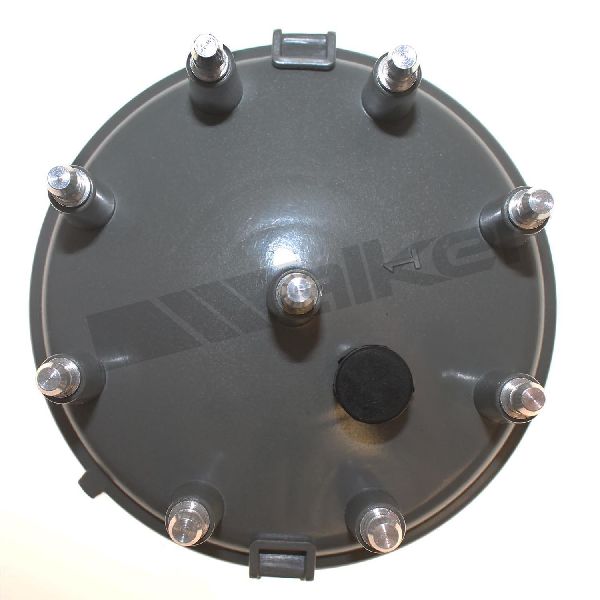
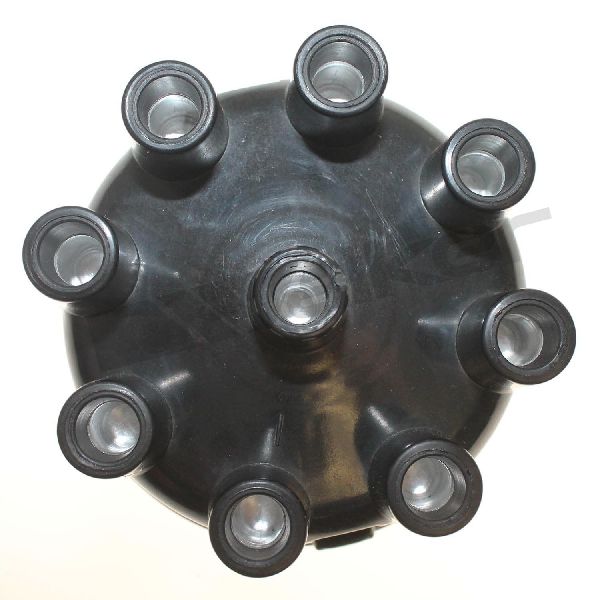
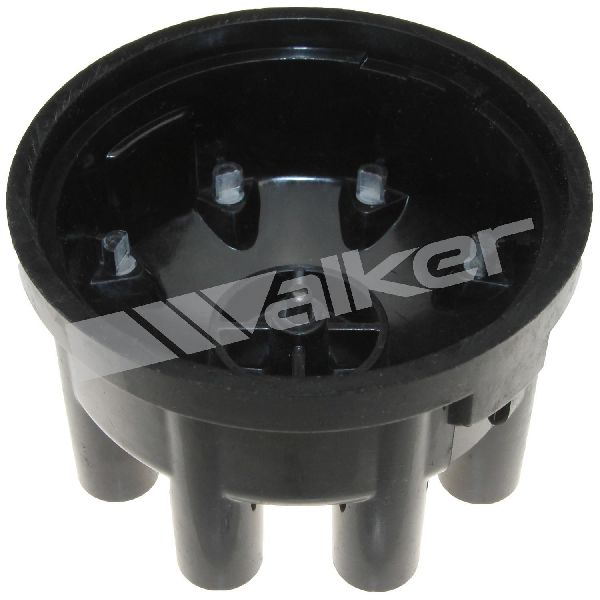
- Standard Brands (e.g., Walker Products): Walker is another known aftermarket brand. While specific reviews for their distributor caps are not widely available, they provide a functional replacement that meets basic requirements. These parts are a cost-effective choice for getting a truck back on the road, but you should verify if they use brass or aluminum terminals.
Always choose a cap with brass terminals if possible. They provide a stronger, more consistent spark and resist corrosion much better than the aluminum terminals found on many budget-friendly options.
Distributor Cap Replacement Cost for 1985-1991 Ford F-800
| Part Type | Price Range |
|---|---|
| New Aftermarket Distributor Cap | $18.53 - $28.19 |
| Shop Labor | $50 - $100 |
| New OEM Distributor Cap | Likely Discontinued |
Cost estimates are for the part only and do not include the distributor rotor, which should always be replaced at the same time. Labor costs are estimates and will vary by location.
Frequently Asked Questions (FAQ)
Should I replace the distributor rotor at the same time?
Yes, always. The rotor is the spinning component inside the cap that actually distributes the spark. It wears out at the same rate as the cap. Replacing the cap without replacing the rotor is like changing only one brake pad. For a complete and lasting repair, replace both parts together.
What is the most common mistake when replacing a distributor cap?
Mixing up the spark plug wires. The engine's firing order is precise. If you connect the wires to the wrong terminals on the new cap, the engine will not run or will backfire. The best way to avoid this is to transfer the wires from the old cap to the new cap one at a time.
What is dielectric grease and should I use it?
Dielectric grease is a non-conductive, silicone-based grease that seals out moisture and prevents corrosion on electrical connectors. It's a good idea to apply a small amount to the inside of each spark plug wire boot before connecting it to the new cap. This helps keep moisture out and makes it easier to remove the wires in the future. Some mechanics also put a tiny dab on the rotor tip.
Why are brass terminals better than aluminum?
Brass is a better electrical conductor than aluminum and is far more resistant to corrosion. Over time, the high-energy spark creates corrosion (a white or greenish powder) on the terminals, which weakens the connection. Brass terminals maintain a clean, strong connection for much longer, ensuring reliable engine performance.
Technical Specifications
The primary specification difference in aftermarket caps is the terminal material. Look for caps with solid brass terminals instead of aluminum for superior conductivity and corrosion resistance.
We Have This Part in Stock


The information in this article is provided for general reference and educational purposes only. Vehicle specifications, procedures, and part compatibility can vary by production date, trim level, and region. Always consult your vehicle's factory service manual and verify part numbers before purchasing or performing repairs. Safety-critical components such as airbags, seat belts, and braking systems should be installed by a qualified professional.
- Ford F-800: