

A/C Receiver Drier Guide for the 1985-1990 Nissan Maxima
Keep your classic Maxima's air conditioning running cold by understanding this critical component.
- The A/C receiver drier is a critical filter that must be replaced any time the A/C system is opened for service.
- Failure to replace the drier can cause damage to a new A/C compressor and will likely void its warranty.
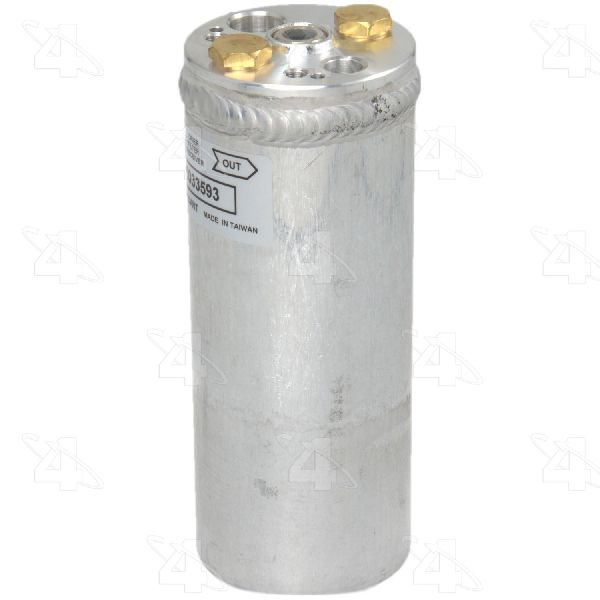
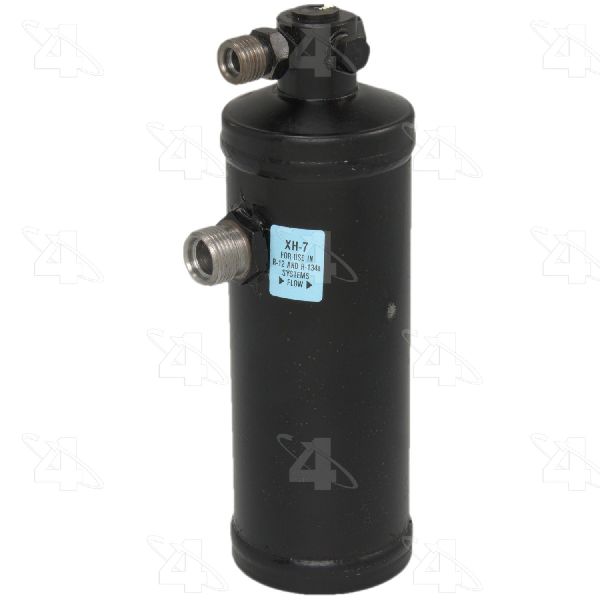
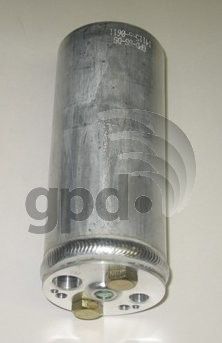
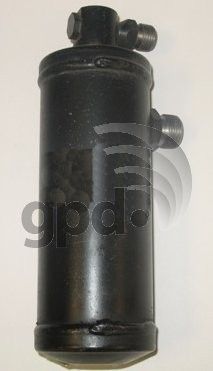
- For the 1985-1990 Maxima, aftermarket brands like Four Seasons and Global Parts are readily available and suitable replacements.
- Replacing this part requires special equipment to handle refrigerant, so it's a job best left to a professional mechanic.
Is Your Maxima's A/C Not as Cold as It Used to Be?
If the air conditioning in your 1985-1990 Nissan Maxima isn't performing well, a failing A/C receiver drier could be a contributing factor. This part is not just a filter; it's a crucial protection device for your entire A/C system. Its primary role is to absorb moisture that can lead to corrosion and the formation of damaging acids when mixed with refrigerant. It also filters out debris that could clog other components. Because the desiccant material inside can only absorb a certain amount of moisture, the drier is considered a wear item. It is standard practice and often required for warranty purposes to replace the receiver drier any time the A/C system is opened for service, such as when replacing a compressor or a hose.
Symptoms of a Failing A/C Receiver Drier
A bad receiver drier can cause several issues. While some symptoms can point to other A/C problems, these are common indicators that the drier may need replacement:
- Poor A/C Performance: The most common symptom is a noticeable decrease in cooling. This can happen if the drier is clogged, restricting the flow of refrigerant.
- Moisture on Glass: If you see fog or moisture on the inside of your windows that is difficult to clear with the defrost setting, it could indicate excess moisture in the A/C system that the drier is no longer able to remove.
- Visible Corrosion or Damage: You might see rust or oily stains on the drier canister itself, indicating a leak.
- Rattling Noises: In rare cases, the desiccant bag inside can break apart, causing particles to circulate through the system. This can create noise and lead to a catastrophic failure of the A/C compressor.
Critical Replacement Rule
You must replace the A/C receiver drier whenever the A/C system is opened to the atmosphere. The desiccant inside becomes saturated with moisture from the air very quickly, making it ineffective. Failing to replace it can void the warranty on a new compressor and lead to premature failure of the new parts.
Choosing Your Aftermarket A/C Receiver Drier
For a vehicle like the 1985-1990 Maxima, new OEM parts are likely unavailable. Aftermarket parts are the most practical and accessible option. Brands like Four Seasons and Global Parts (often sold under the UAC brand) are common choices.
- Four Seasons: A well-known aftermarket brand, Four Seasons produces a wide range of climate control parts. They state their products are manufactured in ISO certified facilities and use quality materials. Forum discussions show that many users trust the brand for its reliability.
- Global Parts / UAC: This is another major supplier of aftermarket A/C components. They offer parts that are designed to meet or exceed OE fit and function. While some users have reported issues with UAC compressors, their driers are a common, budget-friendly option.
Pro Tip: For this specific part, the brand is less critical than the act of replacing it. Both Four Seasons and Global Parts/UAC offer driers that will function correctly. The most important factor is installing a new, sealed drier during any A/C repair to ensure the system is free of moisture.
Frequently Asked Questions (FAQ)
Why do I have to replace the drier when I replace my A/C compressor?
The receiver drier must be replaced with the compressor to protect the new compressor from any moisture or debris left in the system. Most compressor warranties require the replacement of the drier to be valid.
Can I replace just the A/C receiver drier myself?
While physically replacing the part is straightforward for someone with mechanical experience, it requires specialized equipment to safely recover the old refrigerant and then vacuum and recharge the system after installation. It is illegal and harmful to the environment to release refrigerant into the atmosphere. This job is typically best left to a qualified shop.
Is there a difference between a receiver drier and an accumulator?
Yes. While they perform similar functions, they are used in different types of A/C systems. Receiver driers are used in systems with an expansion valve, like your Maxima, and are located on the high-pressure side. Accumulators are used in systems with an orifice tube and are on the low-pressure side.
Were there any recalls for the A/C on the 1985-1990 Maxima?
Searches of the NHTSA database and other sources did not reveal any specific recalls or technical service bulletins (TSBs) related to the A/C receiver drier for the 1985-1990 Nissan Maxima. Any issues would be considered general wear and tear for a vehicle of this age.
Technical Specifications
The A/C system in the 1985-1990 Nissan Maxima was originally designed for R12 refrigerant. If the system has been converted to R134a, ensure compatible oils and o-rings are used during the repair. The receiver drier is a canister-style component with threaded fittings for the A/C lines.
We Have This Part in Stock

The information in this article is provided for general reference and educational purposes only. Vehicle specifications, procedures, and part compatibility can vary by production date, trim level, and region. Always consult your vehicle's factory service manual and verify part numbers before purchasing or performing repairs. Safety-critical components such as airbags, seat belts, and braking systems should be installed by a qualified professional.
- Nissan Maxima: