

GMC Safari Throttle Position Sensor Guide for 1985-1990 Models
Solve common engine hesitation, stalling, and shifting problems in your first-generation Safari van.
- A failing TPS directly impacts both engine performance and automatic transmission shifting on your Safari.
- Symptoms include hesitation, poor acceleration, erratic shifting, and stalling.
- Replacement is very easy for a DIYer, typically taking less than 30 minutes.
- Choose a quality aftermarket brand like Standard Ignition or NGK for the best reliability.
Is Your Safari's Throttle Position Sensor Failing?
If you own a first-generation GMC Safari, you know it's a durable van. But parts wear out. The Throttle Position Sensor (TPS) is a common failure point that can cause confusing symptoms. Because it affects both fuel and transmission, owners sometimes misdiagnose the problem. Knowing the signs of a bad TPS can save you time and money.
Top Failure Symptoms
- Hesitation or Stumbling: The van may hesitate or stumble when you press the gas pedal.
- Poor Acceleration: You might feel like the van has no power, especially on hills or when trying to merge.
- Bad Automatic Shifting: The transmission may shift at the wrong times, either too early or too late. It can also cause issues with the torque converter locking and unlocking properly.
- Rough or Unstable Idle: The engine might idle too high, too low, or surge up and down.
- Stalling: The engine may stall when you come to a stop or even while driving.
- Check Engine Light: A failing TPS will often trigger the 'Check Engine' or 'Service Engine Soon' light. On these vans, this would likely store an OBDI fault code, such as Code 21 or 22.
Choosing the Right Aftermarket TPS
Since original GM parts for this era can be hard to find or expensive, the aftermarket is the go-to for most owners. However, quality can vary. Aftermarket brands for your Safari generally fall into a few tiers.
| Brand Tier | Brands | Notes |
|---|---|---|
| Premium Aftermarket | Standard Ignition (SMP), NGK | These brands have a strong reputation for quality and reliability. Forum discussions among GM enthusiasts often point to Standard Ignition parts as being very close to the original factory design and quality. NGK is also a well-regarded manufacturer of engine sensors. |
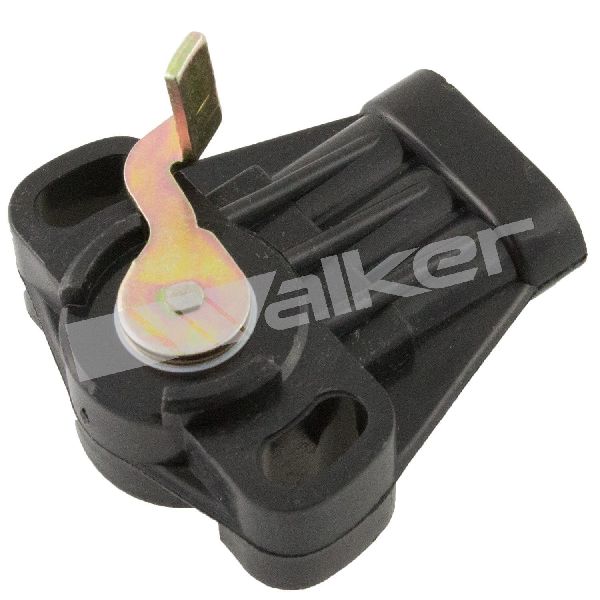
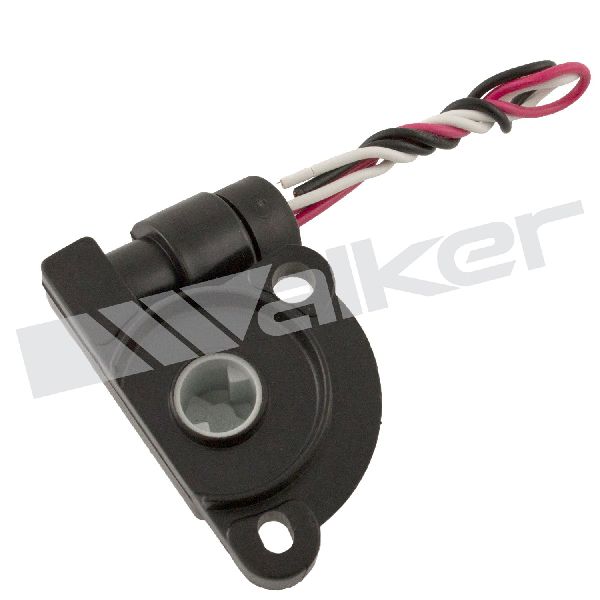
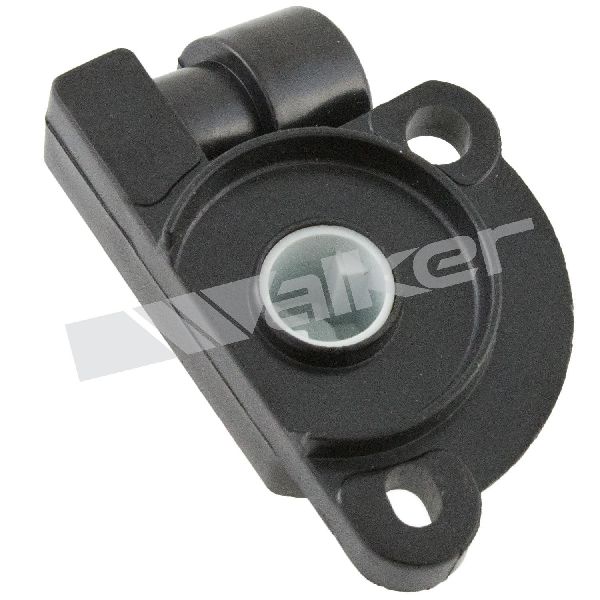
| Standard Aftermarket | Walker Products, Motorad | These brands offer a balance of value and quality. Walker Products is an ISO-certified company that tests its sensors. They are a reliable choice for daily drivers where budget is a consideration. |
| Economy | Global Parts, True Tech | These brands provide the most budget-friendly options. They can be a good choice for a quick fix, but may not offer the same long-term durability or precise calibration as higher-tiered brands. |
Known Issues, Recalls, or TSBs
As of early 2026, there are no active recalls or specific Technical Service Bulletins (TSBs) from the NHTSA or GMC related to the throttle position sensor for the 1985-1990 GMC Safari. Any issues you experience are likely due to the age and wear of the original part rather than a manufacturing defect.
DIY Replacement: An Easy Fix
Replacing the TPS on a 1985-1990 Safari with the 4.3L TBI engine is a straightforward job for a DIYer. Once the interior engine cover (doghouse) is removed, the sensor is right on the side of the throttle body, held on by two Torx screws. The job can often be done in under 30 minutes.
Pro Tip: Some new aftermarket sensors may not include a new rubber o-ring or seal. Inspect your new part, and if it's missing, carefully transfer the seal from your old sensor to the new one to prevent moisture from getting in.
Frequently Asked Questions (FAQ)
Can I test my TPS before replacing it?
Yes. You can test the TPS with a multimeter to check for smooth voltage changes as the throttle is opened and closed. With the key on and engine off, the voltage should be around 0.5 to 1.2 volts at idle and sweep smoothly up to around 4.5-5.0 volts at wide-open throttle. Any jumps or dead spots in the voltage indicate a bad sensor.
Do I need to adjust the new TPS?
No, the TPS on these GMC Safari models is not adjustable. It is designed to be bolted on in a fixed position. The mounting holes are not slotted, so you just need to install it and tighten the screws.
What tools do I need to replace the TPS?
You will typically need basic hand tools to remove the engine doghouse, a Torx screwdriver or socket (usually a T20 or T25), and possibly a small flathead screwdriver to help release the electrical connector clip.
Will a new TPS fix my bad gas mileage?
It might. If the old sensor was sending incorrect data to the computer, it could cause an overly rich fuel mixture. Replacing a faulty TPS can restore the proper air-fuel ratio and improve fuel economy.
Technical Specifications
OEM Part Numbers: 25036663
Mounts to the side of the throttle body assembly. Typically has a 3-pin electrical connector. Non-adjustable design.
We Have This Part in Stock


The information in this article is provided for general reference and educational purposes only. Vehicle specifications, procedures, and part compatibility can vary by production date, trim level, and region. Always consult your vehicle's factory service manual and verify part numbers before purchasing or performing repairs. Safety-critical components such as airbags, seat belts, and braking systems should be installed by a qualified professional.
- GMC Safari: