

Chevrolet Astro Throttle Position Sensor (1985-1990): A Mechanic's Guide
Solve common running problems like hesitation, stalling, and poor acceleration in your first-generation Astro van.
- A faulty TPS is a very common cause of hesitation, stalling, and poor power on 1985-1990 Astros.
- For best results and reliability, choose a premium aftermarket brand like ACDelco or Standard Motor Products (SMP).
- Replacement is an easy DIY job that takes less than 30 minutes with basic tools.
- Verify your connector type before buying, as GM used different styles during this period.
Is a Failing Throttle Position Sensor Causing Your Astro's Problems?
If your 1985-1990 Chevrolet Astro is hesitating, idling rough, or won't accelerate properly, a bad throttle position sensor (TPS) is a likely culprit. Because these first-generation vans use a Throttle Body Injection (TBI) system, they are very sensitive to the information from the TPS. When the sensor starts to fail, it sends incorrect signals to the engine's computer, leading to a host of drivability issues. This guide will help you understand the symptoms, choose the right replacement part, and get your van running reliably again.
Symptoms of a Bad TPS on a 1985-1990 Astro
A failing TPS can mimic other problems, but here are the classic signs for this specific vehicle:
- Hesitation or Stumbling: The van may bog down or hesitate when you press the gas pedal.
- Poor Acceleration: It might feel like the van has no power, even with the pedal pushed down.
- Rough or High Idle: The engine may idle erratically, too fast, or stall when you come to a stop.
- Sudden Surges: The van might unexpectedly speed up without you pressing the pedal further.
- Check Engine Light: Your 'Service Engine Soon' light may come on. For these OBD-I vehicles, this often means a Code 21 (signal voltage too high) or Code 22 (signal voltage too low) is stored.
Known Issues & Recalls
As of early 2026, there are no specific NHTSA recalls for the throttle position sensor on the 1985-1990 Chevrolet Astro. Most recalls for this vehicle are over 15 years old and relate to other issues like seat bolts. The primary issues with the TPS are related to age and wear of the electronic components inside the sensor.
Choosing the Right Aftermarket TPS
Since original GM parts for this van are largely discontinued, you'll be choosing from aftermarket brands. Quality can vary, so it's important to know the players. For a critical sensor like the TPS, spending a little more for a quality part can prevent future headaches.
| Brand Tier | Brands | Typical Cost | Notes |
|---|---|---|---|
| Premium Aftermarket | ACDelco, NGK/NTK, Standard Ignition (SMP) | $60 - $119 | ACDelco is GM's official parts brand and the closest you'll get to original equipment quality, making it a top choice. Standard Motor Products (SMP) and NGK (NTK Sensors) are highly respected in the industry for producing reliable electronics that often meet or exceed OEM standards. |
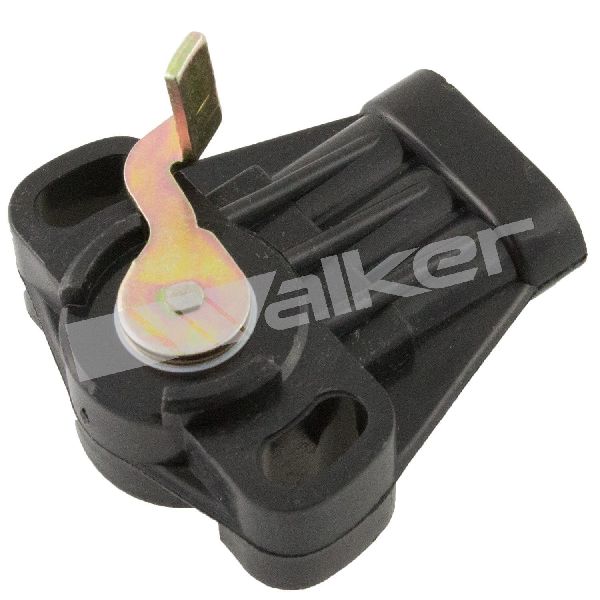
| Standard Replacement | Walker Products, Delphi | $40 - $75 | These brands are well-known in the aftermarket and generally offer a good balance of quality and price. They are a solid choice for a daily driver or a budget-conscious repair. |
| Value Options | True Tech, Global Parts, Motorad | $24 - $50 | These brands provide a low-cost alternative. While functional, some forum users have reported issues with lower-cost sensors having incorrect voltage readings out of the box, which can cause persistent Check Engine lights or performance problems. They may be suitable for a quick fix, but long-term reliability can be a gamble. |
A Note on Connectors
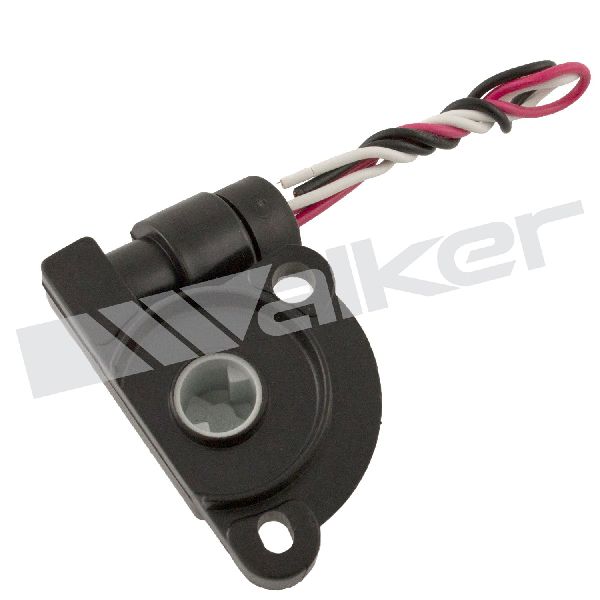
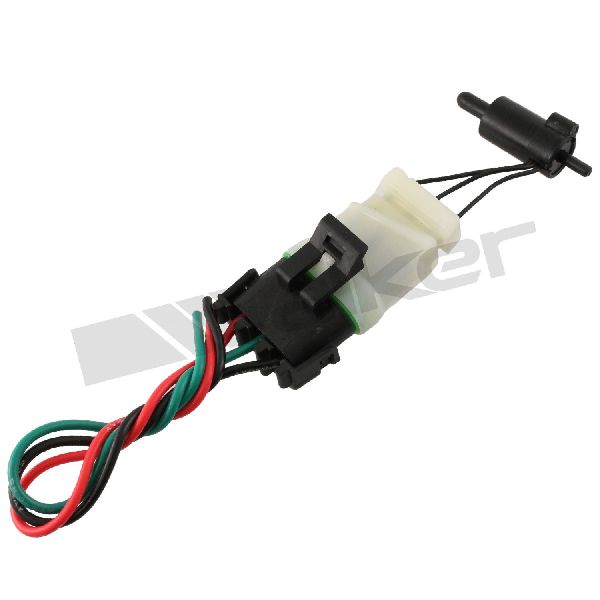
Pay attention to the electrical connector on your original TPS. GM used different connector styles (Metri-Pack vs. Weather-Pack) during this period. Always visually match the new part's connector to your old one before purchasing to avoid installation issues.
Frequently Asked Questions (FAQ)
Where is the TPS located on my Astro?
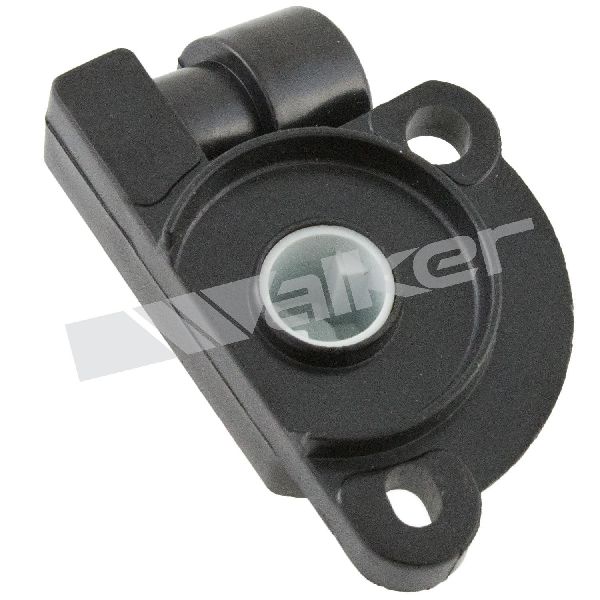
The throttle position sensor is mounted on the side of the throttle body. You'll find the throttle body under the large, round air cleaner assembly on top of the engine. The TPS is a small, black plastic component with a 3-wire electrical connector.
Is replacing the TPS a difficult job?
No, this is a very simple job for a DIY mechanic. It typically involves removing the air cleaner, unplugging the electrical connector, and removing two screws (usually Torx or small bolts). The entire process usually takes less than 30 minutes.
Do I need to adjust or calibrate the new TPS?
For some GM vehicles of this era, adjustment is recommended to ensure the idle voltage is correct (typically around 0.5 volts). However, many systems are designed to self-calibrate by reading the base voltage at startup. If you install a new sensor and still have issues, you may need to use a multimeter to check the voltage and slightly rotate the sensor in its slotted mounting holes (if possible) to achieve the correct reading before tightening the screws.
Can a bad TPS feel like a transmission problem?
Yes. The engine computer shares TPS data with the transmission control module to help determine shift points. A faulty sensor can cause late or erratic shifting, which can easily be mistaken for an internal transmission issue.
Technical Specifications
OEM Part Numbers: 17111822 17106682 17087654 17112404 17112679
3-terminal potentiometer sensor mounted to the throttle body. Operates on a 5-volt reference signal. Output voltage typically ranges from ~0.5V at idle to ~4.5V at wide-open throttle.
We Have This Part in Stock


The information in this article is provided for general reference and educational purposes only. Vehicle specifications, procedures, and part compatibility can vary by production date, trim level, and region. Always consult your vehicle's factory service manual and verify part numbers before purchasing or performing repairs. Safety-critical components such as airbags, seat belts, and braking systems should be installed by a qualified professional.
- Chevrolet Astro: