

Buick Electra Suspension Stabilizer Bar Bushing Replacement Guide (1985-1990)
Eliminate suspension clunks and restore the smooth, stable ride your 1985-1990 Buick Electra was known for.
- Clunking over bumps is the #1 sign of failure for these bushings on an Electra.
- This is a highly recommended DIY project for beginners; the main challenge is often rust on the bracket bolts.
- Always replace bushings in pairs (left and right) to ensure balanced handling.
- For this vehicle, aftermarket brands like Moog, Delphi, or Mevotech are excellent choices as OEM parts are likely unavailable.
Is Your Electra Making Clunking Noises?
If you're hearing a clunking, rattling, or knocking sound from the front of your car when you drive over bumps or uneven roads, worn stabilizer bar bushings are a very common cause. These parts are made of rubber and simply wear out after decades of use. When they fail, the metal stabilizer bar can move around and knock against the vehicle's frame, creating noise and affecting how the car handles.
Common Symptoms of Bad Stabilizer Bar Bushings
- Clunking or Rattling Noises: The most frequent symptom. You'll hear a rhythmic clunk or pop from the front end when going over bumps, dips, or even into a driveway.
- Excessive Body Roll: The car may feel like it sways or leans more than it should during turns, feeling less stable.
- Loose or Vague Steering: Your steering might feel less responsive, and the car may seem to wander slightly at highway speeds.
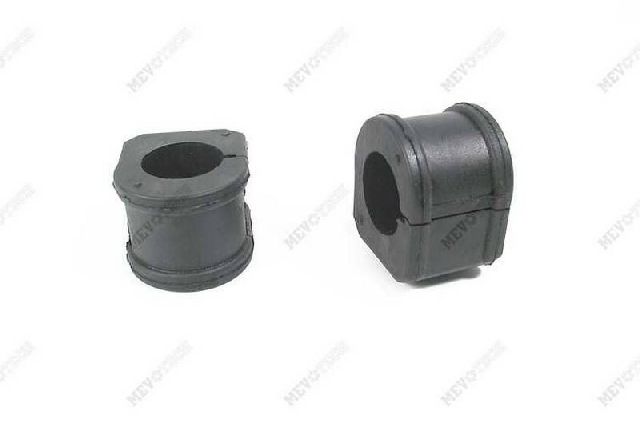
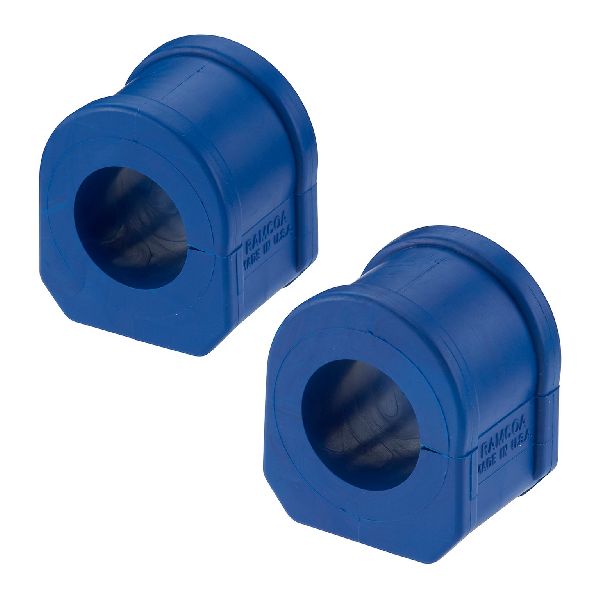
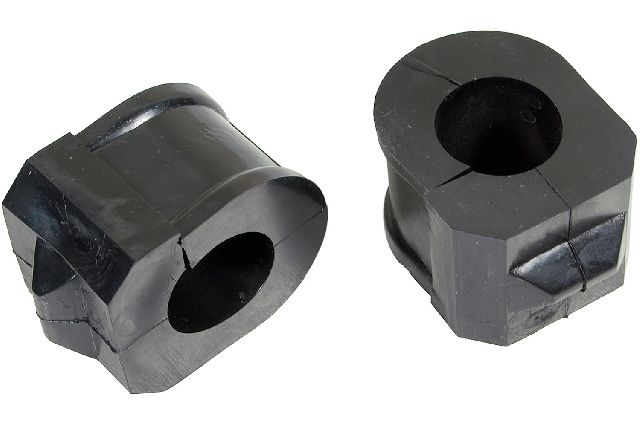
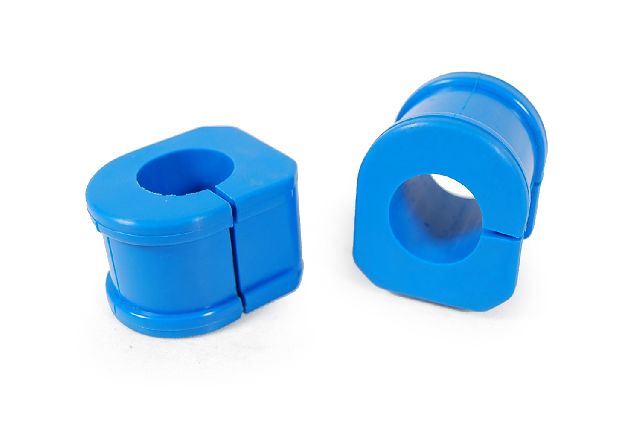
- Visible Wear: You may be able to see that the rubber bushings are cracked, hardened, or have a noticeable gap around the stabilizer bar.
Choosing the Right Aftermarket Bushing Kit
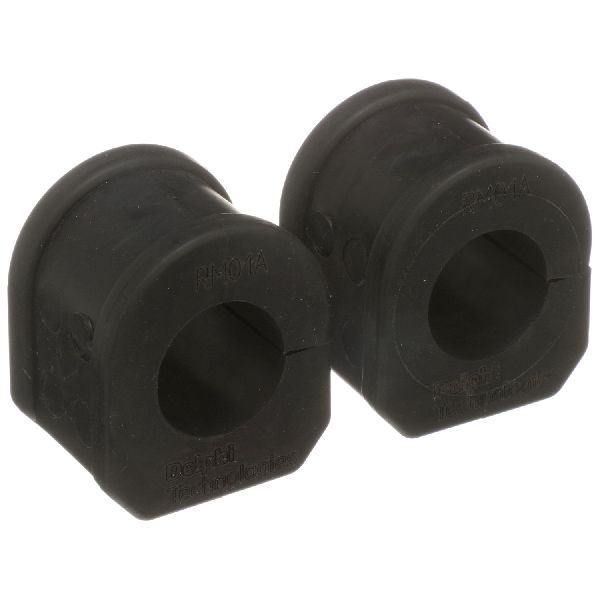
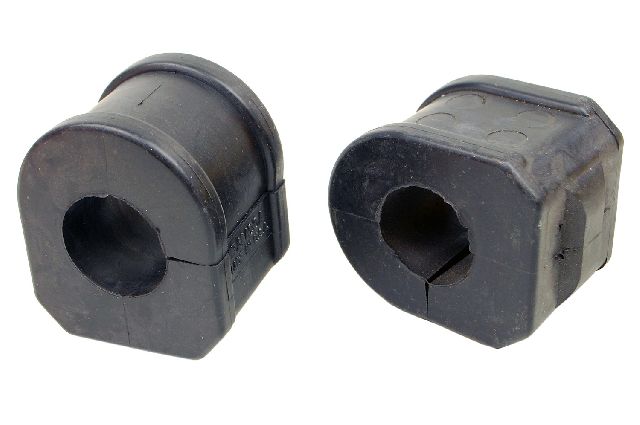
For a vehicle from this era, original GM parts are likely discontinued and difficult to find. The aftermarket is your primary source, offering a range of options that meet or exceed original quality. When choosing a new kit, it's helpful to think of the brands in tiers.
Brand Quality Tiers
Your choice depends on your budget and how you use your vehicle. All options will solve the immediate problem, but some are built for longer service life.
- Premium (Moog, Delphi): These brands are well-regarded for producing high-quality suspension components that often meet or exceed original equipment (OE) standards. They tend to use durable materials and are a top choice for professionals and those who want the longest-lasting repair.
- Mid-Grade (Mevotech): Mevotech is often seen as a good balance between quality and affordability. Their parts are considered reliable for daily driving and offer a solid value proposition.
- Economy (Dorman, QuickSteer): These brands provide cost-effective solutions that get the job done. Dorman is known for making a huge range of direct-fit replacement parts, and while some users have mixed experiences, they are a popular choice for budget-conscious repairs.
Pro-Tip: Replace in Pairs
Stabilizer bar bushings should be replaced in pairs (both the left and right side) at the same time. If one side has failed due to age and wear, the other is not far behind. Replacing only one can lead to unbalanced handling.
Cost to Replace Stabilizer Bar Bushings
This is one of the more affordable suspension repairs you can perform. The parts are inexpensive, and the labor is straightforward.
| Item | Estimated Cost |
|---|---|
| New Aftermarket Bushing Kit | $6.60 - $28.33 |
| Shop Labor | $100 - $225 |
| Total Estimated Cost (Installed) | $107 - $254 |
Frequently Asked Questions (FAQ)
Is this a good DIY project for a beginner?
Yes, this is an excellent project for a beginner with basic hand tools. The process involves safely lifting and supporting the front of the vehicle, removing the two bolts on each bushing bracket, swapping the old bushing for the new one, and re-installing the bracket. The most common difficulty is dealing with rusted bolts, so spraying them with penetrating oil ahead of time is highly recommended.
Do I need a wheel alignment after replacing the bushings?
No. Replacing the stabilizer bar bushings does not change your vehicle's alignment angles. An alignment is not necessary for this specific job.
Are there any recalls or TSBs for this part on my Electra?
No specific safety recalls or Technical Service Bulletins (TSBs) from GM or the NHTSA were found for the suspension stabilizer bar bushings on the 1985-1990 Buick Electra. While there was a recall for the 1990 model, it concerned the seat belt owner's manual. The lack of bulletins is common for a vehicle of this age and a standard wear-and-tear part.
Should I use rubber or polyurethane bushings?
Most direct-fit aftermarket kits for the Electra will use a high-quality synthetic rubber similar to the original. Some performance brands offer polyurethane bushings, which are harder and provide a stiffer, more responsive feel but can sometimes transmit more noise or vibration. For a stock Electra, a quality rubber or OE-style bushing will restore the original ride quality and is usually the best choice.
Technical Specifications
Due to the vehicle's age, specific OEM part numbers are not readily available. The key to ordering is to ensure the bushing kit is specified for the 1985-1990 Buick Electra. Bushings are sized to the diameter of the vehicle's specific stabilizer bar. Always verify fitment using your vehicle's year, make, and model.
We Have This Part in Stock

The information in this article is provided for general reference and educational purposes only. Vehicle specifications, procedures, and part compatibility can vary by production date, trim level, and region. Always consult your vehicle's factory service manual and verify part numbers before purchasing or performing repairs. Safety-critical components such as airbags, seat belts, and braking systems should be installed by a qualified professional.
- Buick Electra: