

Steering Tie Rod End Guide for 1985-1989 Cadillac DeVille
Restore your classic Cadillac's steering precision by addressing worn tie rod ends.
- Worn tie rod ends on your DeVille will cause loose steering, clunking noises, and uneven tire wear.
- A complete failure is a major safety risk; inspect and replace worn tie rods promptly.
- Premium aftermarket brands like Moog, Mevotech, Delphi, and ACDelco Professional are highly recommended for this repair.
- A professional wheel alignment is mandatory after replacing any tie rod end.
Is Your DeVille's Steering Feeling Loose?
A common issue with aging vehicles like the 1985-1989 Cadillac DeVille is the wear and tear of steering components. If you notice your steering wheel shakes, the car wanders on the road, or you hear clunking noises when turning, it might be time to inspect your tie rod ends. These parts have a ball-and-socket joint that wears out over time, creating play in the steering system.
Safety First
A completely failed tie rod end can separate, causing a total loss of steering control on one wheel. This is a critical safety issue. If you suspect your tie rod ends are bad, it's important to get them inspected and replaced promptly.
Symptoms of a Failing Tie Rod End
- Loose Steering: A feeling of excessive play or a "dead spot" in the steering wheel.
- Shaky Steering Wheel: Vibrations that can be felt through the steering wheel, especially at higher speeds.
- Clunking or Popping Noises: Sounds from the front end, particularly during low-speed turns.
- Uneven Tire Wear: Worn tie rods can throw off the wheel alignment, causing tires to wear out unevenly on the inner or outer edges.
- Vehicle Pulling: The car may pull to one side, requiring constant steering correction.
Choosing the Right Aftermarket Part
For a classic vehicle like the 1985-1989 DeVille, aftermarket parts are plentiful and often provide excellent value. Original Equipment (OE) parts from Cadillac may be difficult to find or prohibitively expensive. High-quality aftermarket brands often meet or exceed original specifications. Some are even engineered to solve common failure points of the original design.
Brand Quality Tiers
When shopping for new tie rod ends, you'll find several brands available. Here’s a general breakdown of their reputation in the market:
- Premium Brands (Moog, Mevotech TTX/Supreme, Delphi, ACDelco Professional): These brands are well-regarded by professional mechanics. Moog is famous for its "Problem Solver" line, which often features stronger designs and greaseable fittings for longer life. Mevotech's higher-end lines are also known for durability, sometimes outlasting competitors in harsh conditions. ACDelco Professional is a trusted choice, being the premium aftermarket line from General Motors. Delphi is also a respected OE supplier with a strong aftermarket presence.
- Standard/Economy Brands (Dorman, QuickSteer, MAS Industries, Suspensia): These brands offer a cost-effective solution for repairs. They are suitable for daily driving and can be a good option if budget is the primary concern. While their quality has improved over the years, premium brands are generally recommended for longevity and durability, especially in critical components like steering parts.
Inner vs. Outer and Left vs. Right
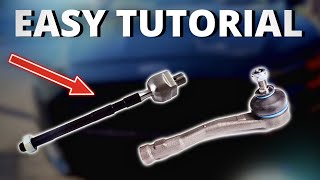
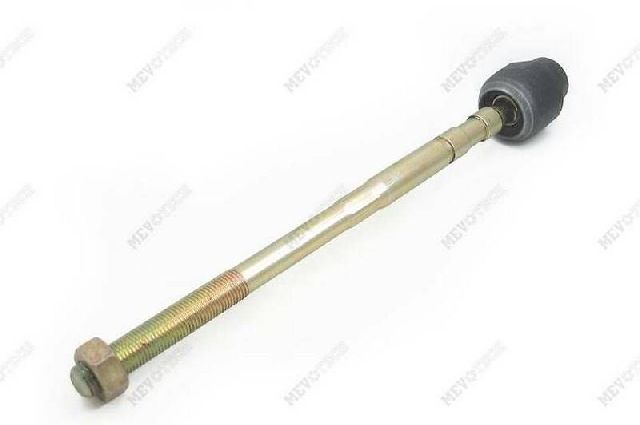
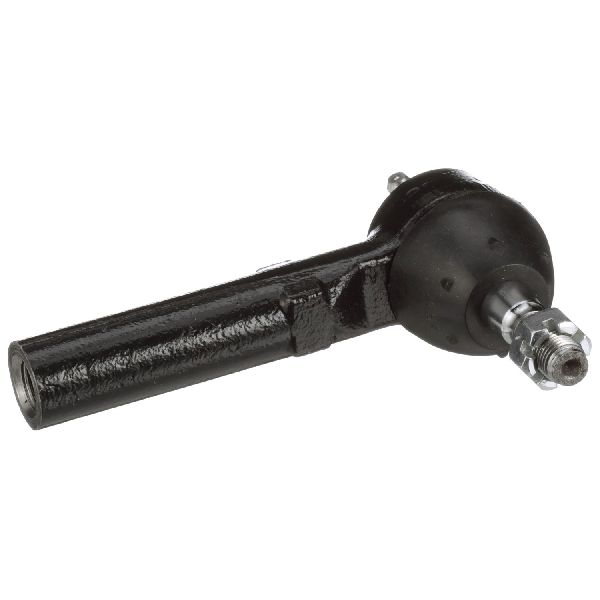
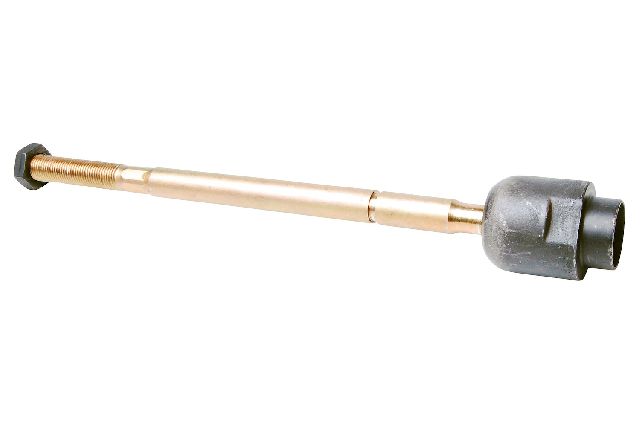
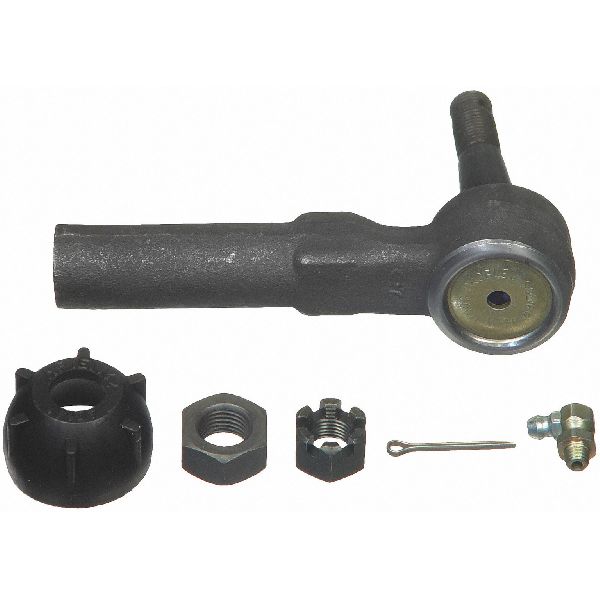
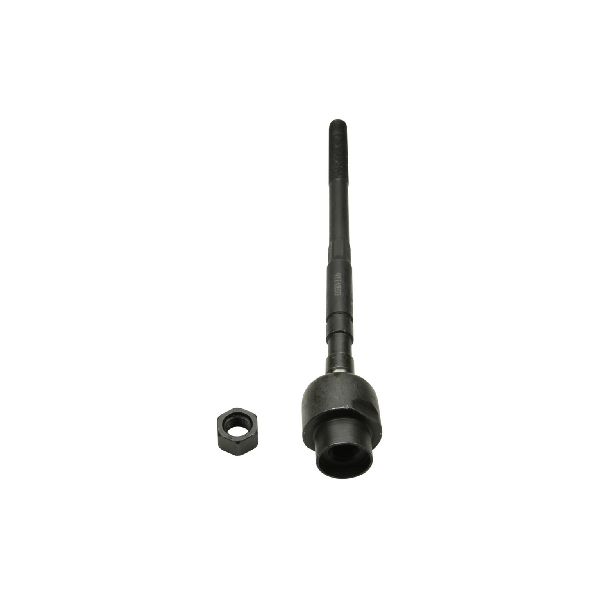
Your DeVille has both inner and outer tie rod ends on each side. The outer ends tend to wear out more frequently. It is often recommended to replace them in pairs (both outers or both inners) to ensure even wear and handling. Always verify if the part is for the driver (left) or passenger (right) side, as they are not always interchangeable.
Estimated Costs for Replacement
The cost to replace a tie rod end can vary based on the brand you choose and local labor rates. The parts themselves are relatively inexpensive.
| Item | Estimated Cost |
|---|---|
| New Aftermarket Tie Rod End (Single) | $13 - $50 |
| Shop Labor (per side) | $80 - $150 |
| Wheel Alignment (Required) | $100 - $200 |
| Total (per side, professional install) | $193 - $400 |
Note: A wheel alignment is required after replacing any tie rod end to ensure your vehicle drives straight and to prevent premature tire wear.
Frequently Asked Questions
Do I need to replace the inner and outer tie rods at the same time?
Not necessarily, but it's good practice. If an outer tie rod has failed, the inner one has likely experienced similar wear. Replacing both at once can save you money on labor and the cost of a second wheel alignment down the road.
What are greasable vs. sealed tie rod ends?
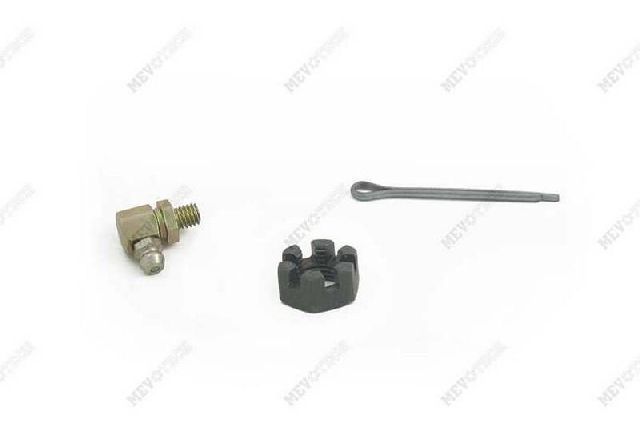
Some aftermarket tie rods (like many from Moog) have a grease fitting (zerk) that allows you to add new grease periodically. This can flush out contaminants and extend the part's life. Sealed units are maintenance-free but cannot be re-lubricated. For a classic car that may see less frequent use, either type is acceptable, but greasable parts may offer a longer service life if maintained.
Can I replace a tie rod end myself?
Yes, this is a feasible DIY job for someone with moderate mechanical experience and the right tools. 🎬 Watch this step-by-step guide on how to replace tie rods. You will need a jack, jack stands, a wrench set, and a special tie rod end puller or a large hammer to separate the joint. However, you will still need to take the car to a shop for a professional wheel alignment afterward.
Were there any recalls for the 1985-1989 DeVille steering?
Searches of the NHTSA database did not show any specific recalls for steering tie rod ends for the 1985-1989 Cadillac DeVille. Always check for the most current information using your vehicle's VIN on the NHTSA website.
Helpful Videos
Technical Specifications
The 1985-1989 Cadillac DeVille uses a rack-and-pinion steering system with inner and outer tie rod ends on both the driver and passenger sides. Parts are often specific to the side (left/right) and position (inner/outer).
We Have This Part in Stock

The information in this article is provided for general reference and educational purposes only. Vehicle specifications, procedures, and part compatibility can vary by production date, trim level, and region. Always consult your vehicle's factory service manual and verify part numbers before purchasing or performing repairs. Safety-critical components such as airbags, seat belts, and braking systems should be installed by a qualified professional.
- Cadillac DeVille: