

Throttle Position Sensor (TPS) Guide for 1984-1997 Ford E-350 Econoline Club Wagon
Fix stalling, rough idle, and poor shifting by understanding how to choose the right Throttle Position Sensor for your van.
- A failing TPS is a common cause of stalling, rough idle, and erratic automatic transmission shifting on these vans.
- Replacement is a simple, DIY-friendly job that usually takes less than 30 minutes with basic tools.
- While budget brands are available, choosing a reputable aftermarket brand like Standard Ignition or Delphi can prevent premature failure.
- Before replacing the part, always inspect the wiring and connector for damage, as this can cause identical symptoms.
Is Your E-350 Stalling or Shifting Hard? It Could Be the TPS.
If you own an older Ford E-350 Club Wagon, you know they are built to last. However, some small electronic parts can cause big headaches. The Throttle Position Sensor (TPS) is one of them. When it starts to fail, you might experience a range of confusing issues. These can include sudden stalling when coming to a stop, a rough or surging idle, hesitation when you accelerate, and unpredictable, hard shifting in automatic models. 🎬 Watch: 9 common symptoms of a failing throttle position sensor In many cases, the check engine light will come on, but not always. Because these symptoms can point to other problems, it's a part that often gets overlooked.
Don't Ignore the Signs
A failing TPS can cause your van to stall unexpectedly or have a severe lack of power, which can be dangerous in traffic. It's best to diagnose and replace a faulty sensor as soon as symptoms appear to ensure your van remains safe and reliable.
Choosing the Right Aftermarket TPS for Your Van
When replacing the TPS on your 1984-1997 E-350, you don't necessarily need to pay for an expensive OEM (Original Equipment Manufacturer) part from Ford. The aftermarket offers several good options, but quality can vary. Forum discussions among Ford van and truck owners show that while some aftermarket brands work well, others can fail prematurely. It's generally recommended to stick with well-known, reputable brands.
Aftermarket Brand Tiers
- Premium Aftermarket (e.g., Standard Ignition, Delphi, NGK): These brands have a strong reputation for producing reliable sensors that are often calibrated to meet or exceed original specifications. They are a solid choice for owners who want peace of mind and performance close to the original Motorcraft part.
- Standard Aftermarket (e.g., Dorman, Walker Products): Dorman is a common brand that often provides a fair alternative to OEM parts and sometimes even improves on the original design. For a simple sensor like a TPS, these brands are generally considered a reliable and cost-effective choice for most owners.
- Budget Brands (e.g., Replacement, True Tech, Global Parts): While the low price is tempting, budget brands can be a gamble. Some owners report these parts failing quickly, sometimes within weeks, leading to repeated repairs. If your budget is tight, they are an option, but be aware of the potential for lower quality and a shorter lifespan.
| Part Type | Estimated Cost |
|---|---|
| New Aftermarket | $24 - $111 |
| Shop Labor for Installation | $75 - $150 |
Pro Tip: Check Your Wiring
Before replacing the sensor, inspect the wiring harness and connector. The engine bay of these vans gets hot, and over decades, wires can become brittle and cracked, or connectors can get corroded. Sometimes, the problem is a bad connection, not the sensor itself.
🎬 See how to test your TPS using a multimeterFrequently Asked Questions (FAQ)
Is replacing the TPS a difficult job on my E-350?
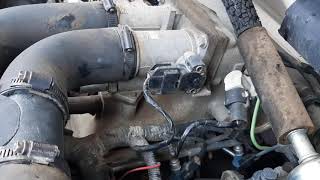
No, it's generally an easy job. The TPS is located on the side of the throttle body and is held on by two screws. Access can be a bit tight due to the engine cover ("doghouse") design, but the replacement itself is straightforward and requires only basic hand tools like a screwdriver. 🎬 Watch this walkthrough of a Ford TPS replacement It's a very DIY-friendly repair.
Do I need to adjust the new TPS?
For most 1984-1997 models, the new TPS should not require adjustment; they are designed to work correctly upon installation. However, on some older systems, particularly with the 7.3L IDI diesel, checking the voltage at idle (around 1.2V) and at wide-open throttle (around 4.5V) with a multimeter is recommended to ensure proper transmission function.
Will a bad TPS always cause a Check Engine Light?
Not always. While a completely failed sensor will usually trigger a fault code and turn on the light, an intermittently failing sensor might cause driveability problems without storing a code right away. This can make diagnosis tricky, which is why it's important to consider the TPS when symptoms like stalling or erratic shifting appear.
Are there any recalls for the TPS on my van?
No, searches of NHTSA data show no specific recalls for the Throttle Position Sensor on the 1984-1997 Ford E-350 Econoline Club Wagon. Any issues are considered general maintenance or repair items due to the vehicle's age.
Helpful Videos
Technical Specifications
OEM Part Numbers: F4SZ-9B989-AA
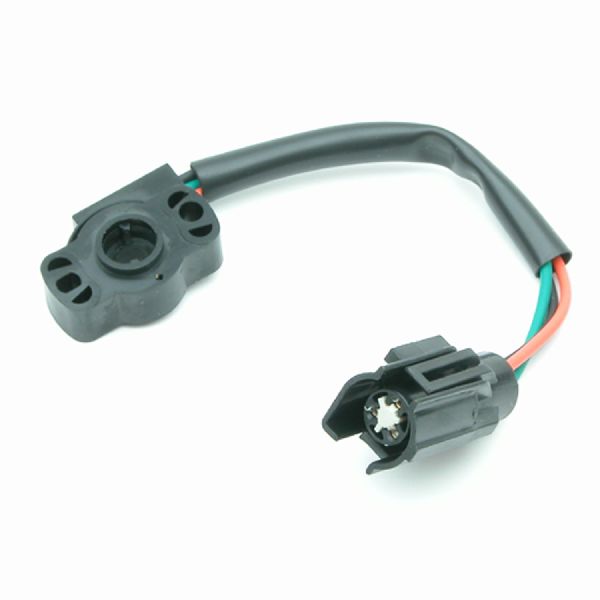
The TPS is a potentiometer-style sensor, typically with a 3-pin connector. It operates on a 5-volt reference signal and outputs a variable voltage based on throttle plate angle.
We Have This Part in Stock


The information in this article is provided for general reference and educational purposes only. Vehicle specifications, procedures, and part compatibility can vary by production date, trim level, and region. Always consult your vehicle's factory service manual and verify part numbers before purchasing or performing repairs. Safety-critical components such as airbags, seat belts, and braking systems should be installed by a qualified professional.
- Ford E-350 Econoline Club Wagon: