

A Practical Guide to Spark Plugs for the 1984-1991 Honda Civic
Keep your Civic's simple and reliable engine running strong with the right set of spark plugs.
- For best results, use standard copper spark plugs from OEM brands NGK or Denso.
- Expensive iridium or platinum plugs are not necessary for a stock 1984-1991 Civic.
- Always check and adjust the spark plug gap to 0.044 inches before installation.
- Replacing spark plugs is a very easy and fast DIY job that requires only basic tools.
Symptoms of Failing Spark Plugs
The simple D-series engines in these Civics are durable, but they depend on a good, strong spark. When spark plugs wear out, you'll likely notice it. The electrodes erode over time, increasing the gap and demanding more energy to create a spark. This can lead to several noticeable issues:
- Rough Idle: The engine may shake or vibrate more than usual when stopped.
- Engine Misfires: You might feel a hesitation or stumble during acceleration as a cylinder fails to fire correctly.
- Poor Fuel Economy: If the fuel isn't burning completely, your gas mileage will suffer.
- Hard Starting: A weak spark can make it difficult for the engine to start, especially when cold.
- Reduced Power: Your Civic may feel sluggish and less responsive than it used to. 🎬 Watch: A quick guide to common bad spark plug symptoms.
Check Engine Light
While these 3rd and 4th generation Civics have check engine lights, their OBD-I diagnostic systems are not as specific as modern cars. A failing spark plug might contribute to a code related to the ignition system or a random misfire, but it often won't point directly to a specific plug.
Choosing the Right Aftermarket Spark Plugs
For a 1984-1991 Honda Civic, choosing a spark plug is straightforward. You don't need the most expensive, high-tech option to get the best performance. In fact, the original style of plug is often the best choice.
OEM-Quality Brands: The Best Choice
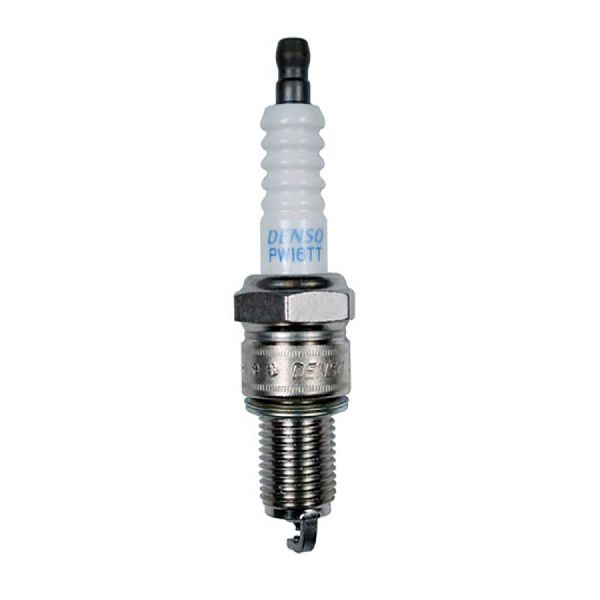
Honda has used NGK and Denso as their Original Equipment (OE) suppliers for decades. For this reason, they are the most recommended brands by mechanics and enthusiasts. Choosing an NGK or Denso plug that is listed for your specific year and engine is the safest bet for reliable performance.
- NGK: Widely considered the primary OE supplier for Honda. Their standard copper plugs (often called V-Power) are an excellent, affordable choice that matches the original design.
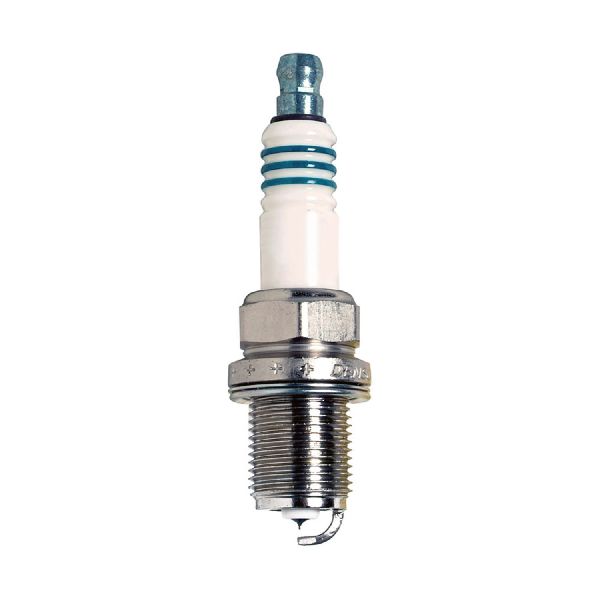
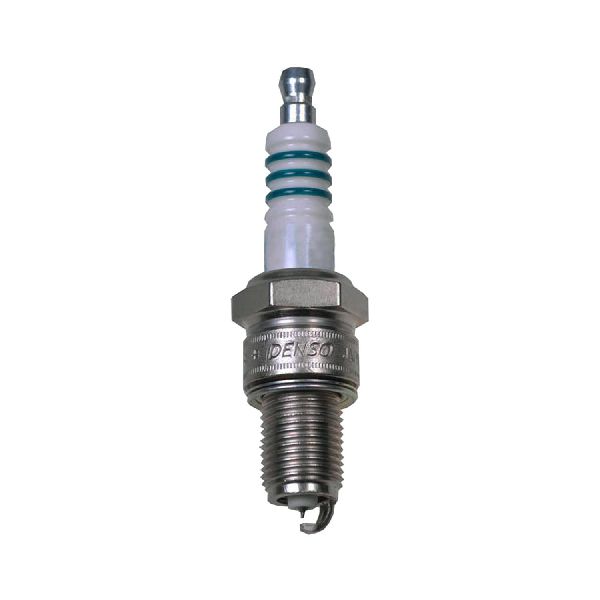
- Denso: Also an OE supplier for Honda, Denso plugs are considered equal in quality to NGK. Their U-Groove copper plugs are a very popular and effective option.
Budget-Friendly Brands
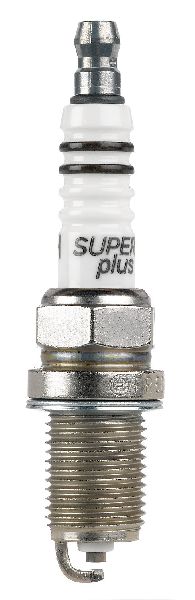
While NGK and Denso are preferred, other brands offer compatible plugs that will work. These are often basic copper plugs that can be a good value if you're on a tight budget.
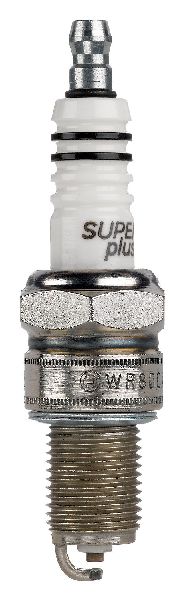
- Autolite & Champion: These brands offer standard copper plugs that are affordable and widely available. They are a functional alternative to the Japanese brands.
A Note on Plug Materials (Copper vs. Iridium/Platinum)
Your Civic originally came with standard copper spark plugs. Copper is the best conductor of electricity, which allows for a strong spark. The trade-off is that copper wears faster. Modern plugs use precious metals like platinum and iridium on the electrode tip to extend the lifespan to 100,000 miles. While you can use these plugs in your Civic, it's not necessary. The standard, affordable copper plugs from NGK or Denso will provide excellent performance and last for their recommended service interval (typically 15,000-30,000 miles). Given their low cost, sticking with the original copper technology is the most cost-effective strategy.
Always Check the Gap!
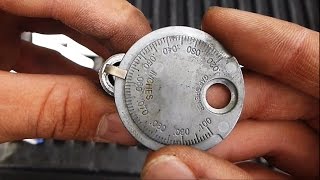
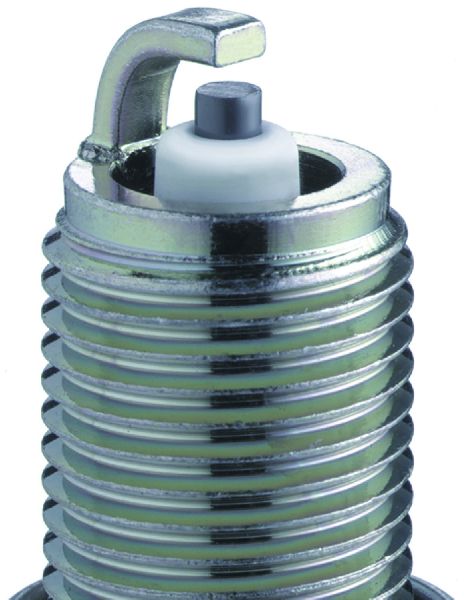
No matter which brand you buy, always verify the spark plug gap before installation. The correct gap for most 1984-1991 Civics is 0.044 inches, but check the specification for your specific plug. Use a simple gapping tool to measure and gently adjust the ground electrode. Never trust that the plugs are gapped correctly out of the box.
🎬 See how to properly gap your new spark plugs.Frequently Asked Questions
How often should I change the spark plugs on my 1984-1991 Civic?
If you use standard copper plugs, a good interval is every 15,000 to 30,000 miles. They are inexpensive, and changing them regularly is cheap insurance for a smooth-running engine.
Is it hard to change the spark plugs myself?
No, this is one of the easiest maintenance jobs you can do on this generation of Civic. The spark plugs are easily accessible on top of the engine. All you need is a ratchet, an extension, and a 5/8" spark plug socket.
🎬 Watch this walkthrough on changing plugs in your Civic.Should I use anti-seize on the new spark plug threads?
This is a debated topic. Some plug manufacturers, like NGK, say not to use it on their modern plated plugs. However, for a 30+ year old car with an iron head, a very small, light coating of anti-seize on the threads can make removal easier next time. The key is to use it sparingly and not get any on the electrode. If you do use it, you should reduce the torque setting slightly.
Are there any recalls or known issues for my Civic's spark plugs?
No. Searches of the NHTSA database show no recalls or Technical Service Bulletins (TSBs) related to spark plugs for the 1984-1991 Honda Civic. Any issues you encounter will likely be due to normal wear and tear on these aging components.
Helpful Videos


Technical Specifications
OEM Part Numbers: 98079-5614G
Socket Size: 5/8 inch Gap: 0.044 inches (1.1mm) Thread Size: M14x1.25
We Have This Part in Stock

The information in this article is provided for general reference and educational purposes only. Vehicle specifications, procedures, and part compatibility can vary by production date, trim level, and region. Always consult your vehicle's factory service manual and verify part numbers before purchasing or performing repairs. Safety-critical components such as airbags, seat belts, and braking systems should be installed by a qualified professional.
- Honda Civic: