

Jeep Cherokee XJ Power Steering Pump: An Owner's Guide (1984-1990)
If your classic XJ is whining, leaking, or hard to steer, your power steering pump is the likely culprit.
- Whining noises and fluid leaks are the most common signs of failure for the 1984-1990 XJ power steering pump.
- You must use a pulley puller/installer tool for the job; the pulley is not included with most new pumps.
- Thoroughly bleeding all air from the system after installation is critical to prevent noise and damage to the new pump.
- Aftermarket brand quality varies, from high-performance PSC to Jeep-specific Crown/Omix and budget-friendly Cardone/BBB, which have mixed reviews.
Is Your XJ's Power Steering Pump Failing?
A failing power steering pump in a 1984-1990 Jeep Cherokee XJ gives clear warning signs. Recognizing them early can prevent a complete loss of steering assist and potential damage to other steering components. The most common issues are leaks and unusual noises.
Common Symptoms of a Bad Power Steering Pump:
- Whining or Groaning Noises: This is the most classic symptom. A whining noise that gets louder when you turn the wheel or increases with engine RPM often points to a failing pump or low fluid. This can be caused by air getting into the system (aeration) or internal wear.
- Fluid Leaks: Finding reddish-brown fluid under the front of your Jeep is a strong indicator of a leak. Leaks can come from the pump's main shaft seal, the O-ring between the pump and the reservoir, or the high-pressure and return hoses connected to it.
- Stiff or Difficult Steering: If turning the wheel suddenly requires a lot of muscle, especially at low speeds, the pump is likely not generating enough pressure. This can happen intermittently at first and worsen over time.
- Squealing Belt: A squeal when you start the engine or make sharp turns could be a loose or fluid-contaminated serpentine belt, often caused by a leaking pump.
Check Your Hoses First!
Before condemning the pump, thoroughly inspect the high-pressure and low-pressure hoses. After decades of use, these hoses can become porous, cracked, or develop pinhole leaks, especially where they connect to the pump and steering box. Sometimes, a simple hose or O-ring replacement is all that's needed.
Choosing the Right Aftermarket Power Steering Pump
For a vehicle from this era, a new aftermarket pump is a practical and widely available choice. OEM Mopar parts are often discontinued and hard to find. Aftermarket brands offer a range from standard replacements to high-performance upgrades.
| Brand Tier | Brands | Best For | General Assessment |
|---|---|---|---|
| High-Performance / Off-Road | PSC Motor Sports | Modified XJs, off-roading, larger tires, hydro-assist conversions. | Considered a premium upgrade, PSC offers high-flow pumps designed for durability and consistent power at low RPMs. They are significantly more expensive and often recommended for demanding applications, not just daily driving. |
| Standard Replacement (Jeep Specialists) | Crown Automotive, Omix-Ada | Daily drivers, stock or lightly modified Jeeps seeking an OE-style fit. | Both are well-known Jeep-specific brands. Quality is generally considered good for factory-style replacements. Some owners prefer Crown over Omix, but experiences vary. These brands often acquire original tooling, aiming for a direct fit. |
| Standard Replacement (General Aftermarket) | BBB Industries, Cardone | Budget-conscious repairs for daily drivers. | These are massive suppliers of new and remanufactured parts. Quality can be inconsistent; forum discussions show mixed results, with some users experiencing multiple failures. However, others have had success. Buying from a vendor with a good warranty is often recommended with these brands. |
A Note on Remanufactured vs. New
This guide focuses on new aftermarket parts. While remanufactured pumps are available and cheaper, their quality is highly dependent on the rebuilder. Many forum users report negative experiences with remanufactured pumps from major brands like Cardone, citing premature failure or noise right out of the box. If choosing a remanufactured part, be prepared for the possibility of a warranty exchange.
Frequently Asked Questions (FAQ)
Do I need a special tool to replace the power steering pump?
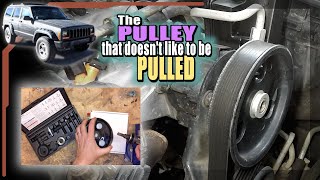
Yes, you will almost certainly need a power steering pump pulley puller/installer tool. The pulley from your old pump must be removed and pressed onto the new one, as most new pumps do not include a pulley. These tool kits can be rented for free from most local auto parts stores.
🎬 Watch: How to use the pulley puller tool correctly.Is replacing the power steering pump a difficult job for a DIYer?
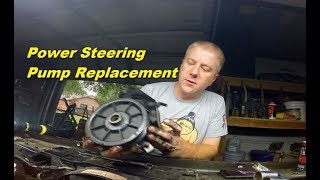
It's a moderately difficult job. It requires removing the serpentine belt, disconnecting fluid lines (which will be messy), and unbolting the pump. 🎬 Watch: A complete walkthrough of the pump replacement process. Accessing the bolts through the holes in the pulley can be tricky. The most critical part of the job is properly bleeding the air out of the system after installation to prevent noise and damage to the new pump.
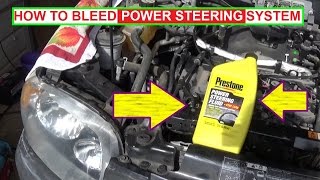
🎬 See this guide on bleeding the system the right way.What kind of fluid should I use in my XJ's power steering system?
Always use a quality power steering fluid. Do not use automatic transmission fluid (ATF) unless specifically called for, which is not typical for these models. Using the correct fluid is essential for the longevity of the seals and the pump itself. Some owners recommend fluids with anti-foaming additives.
My new pump is whining. What did I do wrong?
A whining noise from a new pump is almost always caused by air trapped in the system. The system needs to be bled thoroughly. This involves raising the front wheels off the ground and turning the steering wheel from lock to lock many times with the engine off, checking and topping off the fluid level as you go. If the noise persists, you could have a leak on the suction side of the pump (return hose) that is drawing in air, or you may have received a defective pump.
Are there any recalls on the 1984-1990 Cherokee power steering pump?
Searches of the National Highway Traffic Safety Administration (NHTSA) database did not reveal any specific recalls for the power steering pump on this generation of Jeep Cherokee. Given the vehicle's age, any recalls would have been issued long ago.
Helpful Videos
Technical Specifications
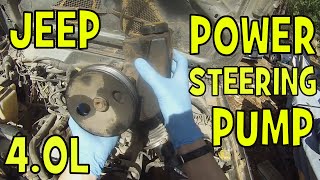
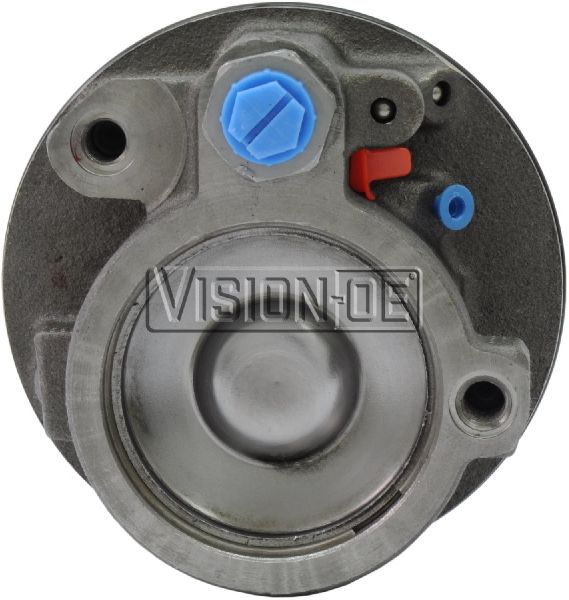
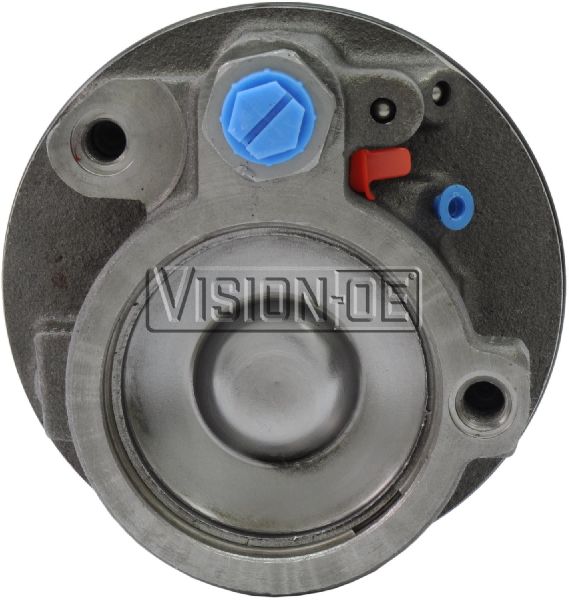
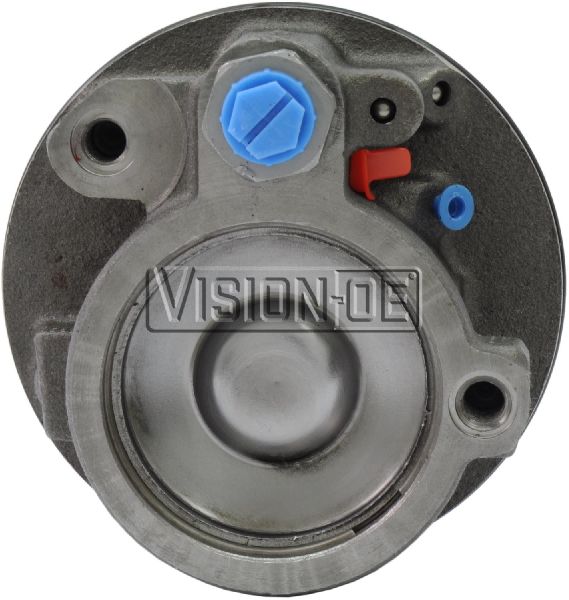
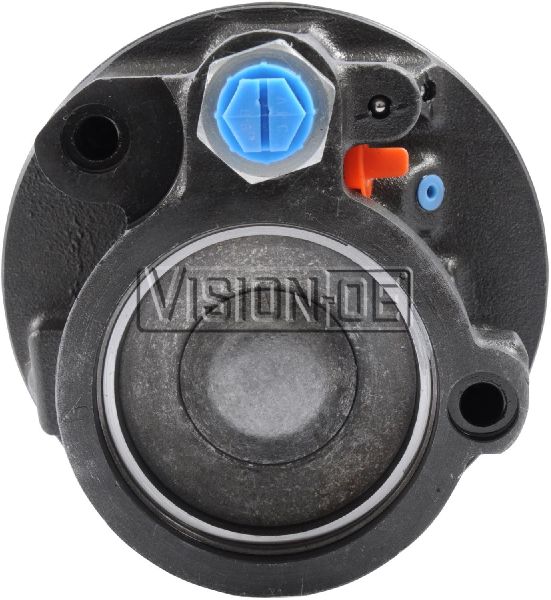
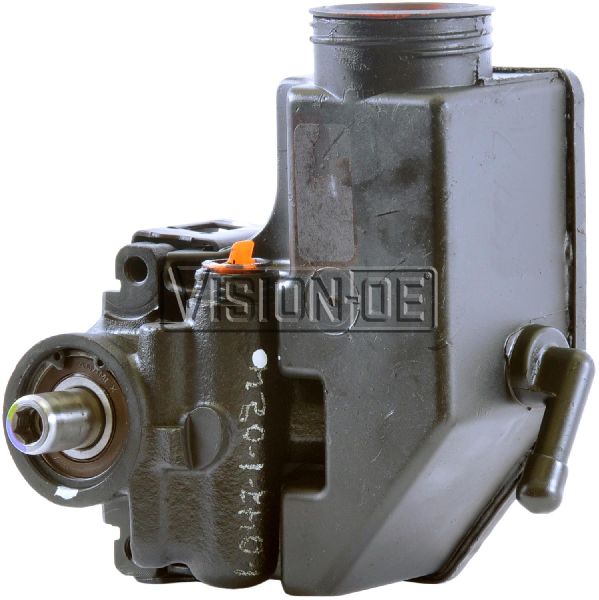
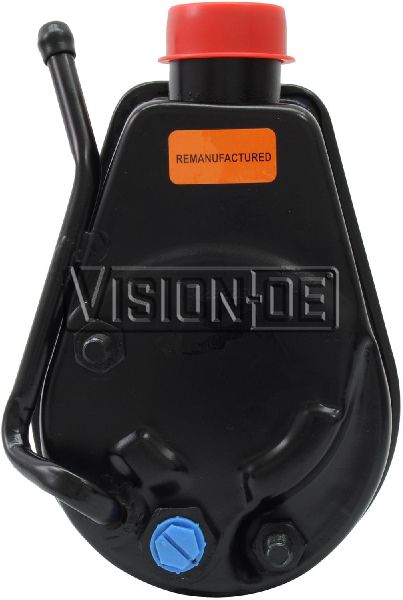
The 1984-1990 Jeep Cherokee typically uses a Saginaw-style vane pump with an integrated or attached 'ham-shaped' fluid reservoir. The pulley is pressed on and must be transferred from the old unit. Replacement requires a pulley puller/installer tool.
We Have This Part in Stock

The information in this article is provided for general reference and educational purposes only. Vehicle specifications, procedures, and part compatibility can vary by production date, trim level, and region. Always consult your vehicle's factory service manual and verify part numbers before purchasing or performing repairs. Safety-critical components such as airbags, seat belts, and braking systems should be installed by a qualified professional.
- Jeep Cherokee: