

Ford Bronco II Oxygen Sensor Guide: 1984-1990 Models
Everything you need to know before replacing the oxygen sensor on your 1984-1990 Ford Bronco II.
- Your Bronco II has only one O2 sensor, located upstream of the catalytic converter.
- A bad sensor will ruin gas mileage and can destroy the expensive catalytic converter.
- Choose a direct-fit sensor from a quality brand like Bosch, NGK, or Denso for best results.
- The old sensor will likely be seized; soak it in penetrating oil for a few days before attempting removal.
Is Your Bronco II Oxygen Sensor Failing?
The oxygen sensor in your 1984-1990 Bronco II is a simple part, but it works in a very hot and harsh environment. Over time, they wear out from age, mileage, and contamination from engine byproducts. When it starts to fail, your truck's computer gets bad information, leading to noticeable problems.
Key Failure Symptoms:
- Poor Gas Mileage: This is the most common sign. A bad sensor often causes the engine to run rich (too much fuel), wasting gas.
- Rough Idle or Stalling: Your Bronco II might idle erratically, bog down, or even stall when the sensor provides incorrect readings.
- Check Engine Light: On these trucks, a failing O2 sensor can trigger a Check Engine Light. Pulling the codes may reveal a Code 41, indicating a problem with the sensor circuit.
- Rotten Egg Smell: A strong sulfur or rotten egg smell from the exhaust points to an overly rich fuel mixture, which can damage the catalytic converter.
- Failed Emissions Test: An improperly functioning sensor will lead to high levels of pollutants in the exhaust, causing a failed smog check.
Don't Ignore a Bad O2 Sensor
While you can drive with a failing oxygen sensor, it's not recommended. Continuously running with a bad sensor will cause poor performance and terrible fuel economy. More importantly, it can quickly destroy your catalytic converter—a much more expensive part to replace.
Choosing the Right Aftermarket O2 Sensor
For a vehicle like the 1984-1990 Bronco II, you don't need to hunt down a rare, expensive OEM part from a dealer. High-quality aftermarket brands are readily available and perform just as well, with some being the original equipment supplier to Ford.
Brand Recommendations
- OEM-Grade (Excellent Quality): Brands like Bosch and NGK (NTK) are frequently cited as the original equipment manufacturers for Ford in this era. They are trusted choices for reliability and correct performance. Denso is another top-tier brand known for excellent quality that meets or exceeds OEM standards.
- Standard Replacement (Good Quality): Brands like Walker Products, Spectra, and Delphi offer reliable direct-fit sensors that are a good balance of quality and value. They are a solid choice for a standard repair.
- Value Brands: Economy brands like DriveWire can work, but quality can be inconsistent. For a critical sensor like this, spending a few extra dollars on a more reputable brand is a wise investment.
Installation Tips for Bronco II Owners
Replacing the O2 sensor on a Bronco II is known for being a tough job, mainly because the original sensor is likely rusted firmly in place.
- Location: Your Bronco II has one upstream oxygen sensor. You will find it on the passenger side of the vehicle, screwed into the exhaust Y-pipe just before the catalytic converter. 🎬 See this replacement walkthrough on a similar Ford chassis
- Get the Right Tools: You will need a special O2 sensor socket, which is a deep socket with a slit down the side for the wire. 🎬 Watch: How to use an O2 sensor socket correctly An angled socket or a breaker bar may be necessary for leverage.
- Soak It First: This is the most important step. Liberally spray the base of the old sensor with a high-quality penetrating oil (like PB Blaster or Kroil) for several days leading up to the job. This will make removal much easier.
- Use Anti-Seize: Your new sensor should come with a small packet of anti-seize compound. Apply it to the threads of the new sensor before installation to prevent it from getting stuck in the future. Do not get any on the sensor tip itself.
| Part Type | Estimated Cost |
|---|---|
| New Aftermarket O2 Sensor | $21 - $75 |
| Shop Labor | $75 - $150 |
| Total Estimated Cost | $96 - $225 |
Frequently Asked Questions
How many oxygen sensors does a 1984-1990 Bronco II have?
All fuel-injected 1984-1990 Bronco II models have only one oxygen sensor. It is an "upstream" sensor located before the catalytic converter. These vehicles do not have a downstream sensor.
Where is the oxygen sensor located?
It is screwed into the exhaust pipe on the passenger side of the vehicle, between the engine's exhaust manifold and the catalytic converter. You will need to look underneath the truck to see it clearly.
Are there any recalls for the Bronco II oxygen sensor?
No. Searches of the National Highway Traffic Safety Administration (NHTSA) database show no recalls or technical service bulletins (TSBs) specifically for the oxygen sensor on the 1984-1990 Ford Bronco II.
Can I clean my old O2 sensor?
While some people attempt to clean O2 sensors, it is not a reliable fix. The sensor fails because the internal chemical components are depleted, not just because it's dirty. Given the low cost of a new sensor and the difficulty of removal, it is best to replace it.
Helpful Videos
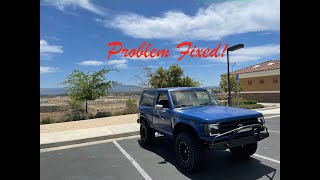
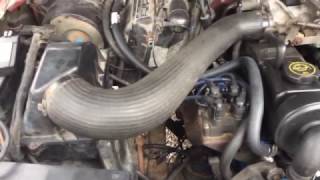
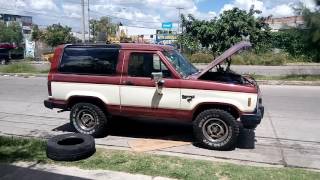
Technical Specifications
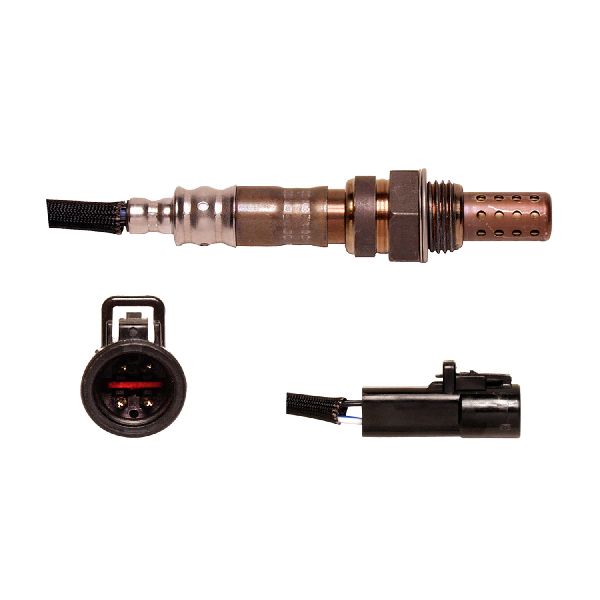
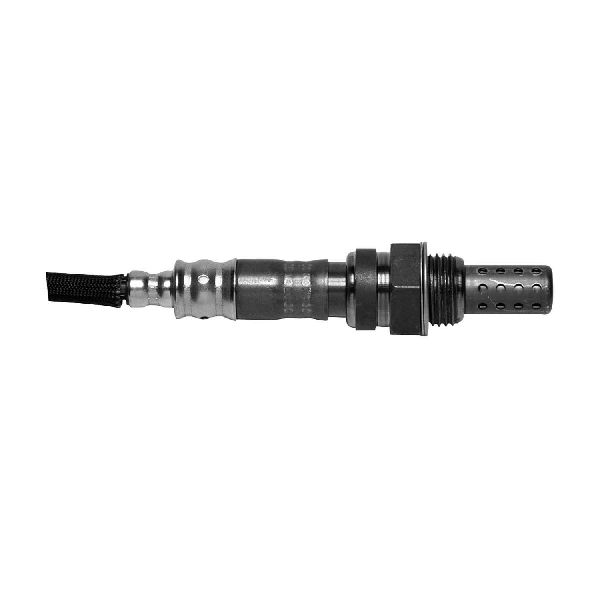
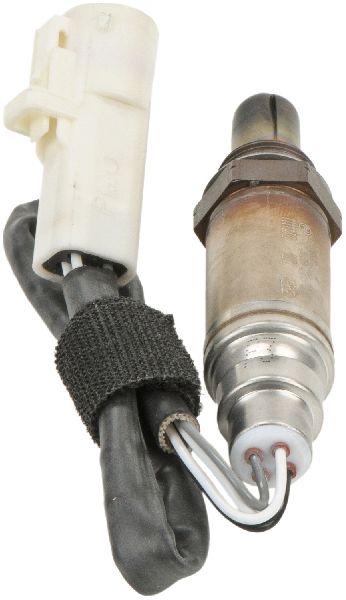
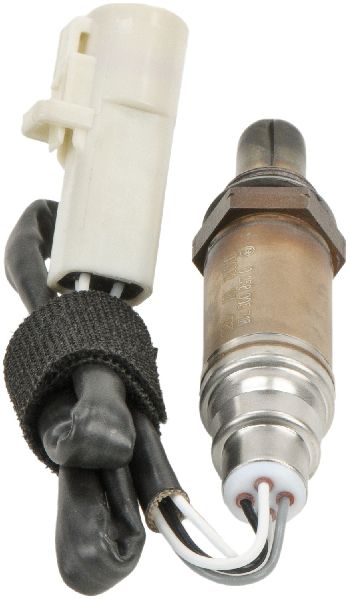
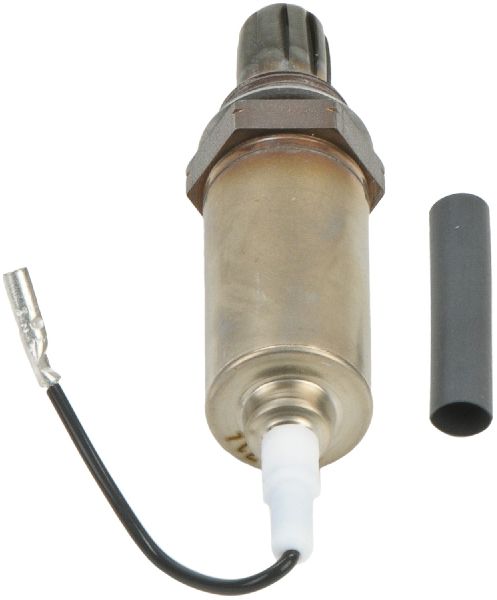
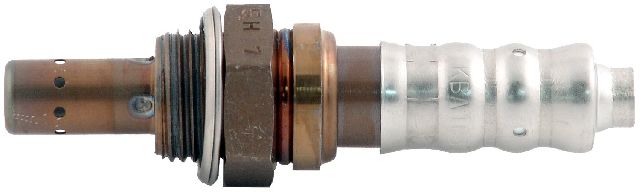
The 1984-1990 Ford Bronco II uses a single, upstream oxygen sensor. Depending on the year and emissions equipment, it may be an unheated 1-wire sensor or a heated 3-wire sensor. A direct-fit replacement is strongly recommended.
We Have This Part in Stock

The information in this article is provided for general reference and educational purposes only. Vehicle specifications, procedures, and part compatibility can vary by production date, trim level, and region. Always consult your vehicle's factory service manual and verify part numbers before purchasing or performing repairs. Safety-critical components such as airbags, seat belts, and braking systems should be installed by a qualified professional.
- Ford Bronco II: