

Accessory Drive Belt Guide for the 1984-1987 Peterbilt 349
Keep your classic Peterbilt 349 running strong by understanding its accessory drive belts.
- A failing belt will give warnings like squealing, visible cracks, or dashboard warning lights.
- For this heavy-duty truck, choose a premium aftermarket brand like Gates or Continental for maximum reliability.
- Always inspect the belt tensioner and pulleys when replacing a belt; a bad pulley can ruin a new belt quickly.
- Confirm if your truck uses a single serpentine belt or multiple V-belts before ordering parts.
Signs of a Failing Accessory Drive Belt
A failing belt on your Peterbilt 349 will give you warning signs. Ignoring them can lead to a breakdown and potentially expensive engine damage. Look out for these symptoms:
- Squealing or Chirping Noises: A high-pitched squeal when you start the engine or accelerate is a common sign of a slipping belt. A persistent chirp can point to a worn or misaligned belt.
- Visible Wear and Damage: Inspect the belts regularly. Look for cracks, frayed edges, a glazed or shiny appearance on the belt's surface, or missing chunks of rubber. Any visible damage means it's time for a replacement.
- Power System Issues: Since the belt drives the alternator, you might notice dimming headlights or a battery warning light on your dash if the belt is slipping or has failed.
- Overheating Engine: The accessory belt often drives the water pump. If the belt fails, the water pump stops circulating coolant, which will cause the engine to overheat quickly.
- Loss of Power Steering: If steering becomes difficult, the belt driving the power steering pump may be failing.
Warning: Complete Belt Failure
If the accessory drive belt breaks completely, your truck will lose power to critical systems immediately. This will cause the engine to overheat and the battery to stop charging, leaving you stranded. It is a critical failure that requires immediate attention.
Choosing the Right Aftermarket Belt
For a workhorse like the 1984-1987 Peterbilt 349, choosing a quality aftermarket belt is crucial. The brands available—Gates, Dayco, and Continental—are all established manufacturers. Here’s how they generally stack up in the heavy-duty market:
Tier 1: Premium / Heavy-Duty Brands (Best)
- Gates: Often considered a top-tier choice for heavy-duty applications. Gates belts, especially their FleetRunner™ or Micro-V® lines, are known for durability and reliability, making them a preferred brand for many professional mechanics.
- Continental (ContiTech): A major OEM supplier with a strong reputation for quality. Their belts are engineered for long life and quiet operation, putting them on par with Gates for performance in demanding environments.
Tier 2: Standard Replacement Brands (Good)
- Dayco: A well-known brand that offers a reliable and cost-effective solution. While some users have noted they may not last as long as premium options in extreme conditions, Dayco belts meet or exceed OEM specifications and are a solid choice for regular use.
Pro Tip: Check the Whole System
When replacing a belt, it's best practice to inspect the entire Front End Accessory Drive (FEAD) system. Check the tensioner for proper spring strength and the pulleys for any roughness or wobble. A worn tensioner or bad pulley can cause a new belt to fail prematurely. Consider replacing the belt, tensioner, and pulleys as a kit for best results.
Aftermarket Accessory Drive Belt Cost for 1984-1987 Peterbilt 349
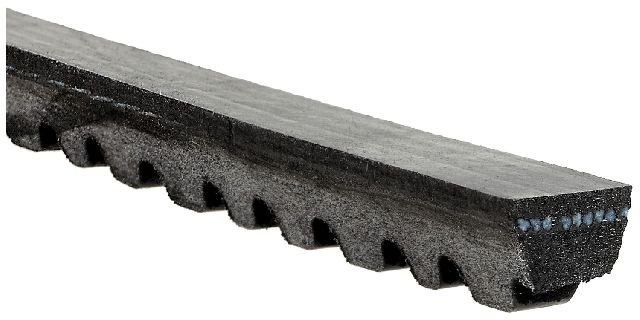
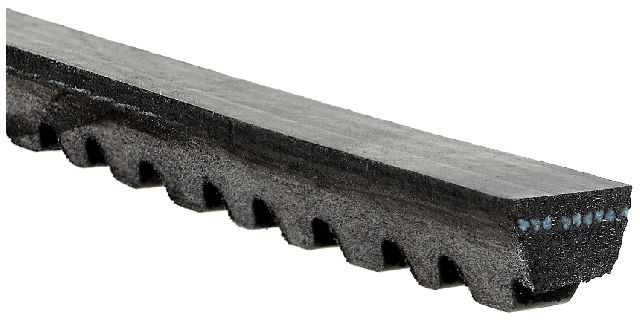
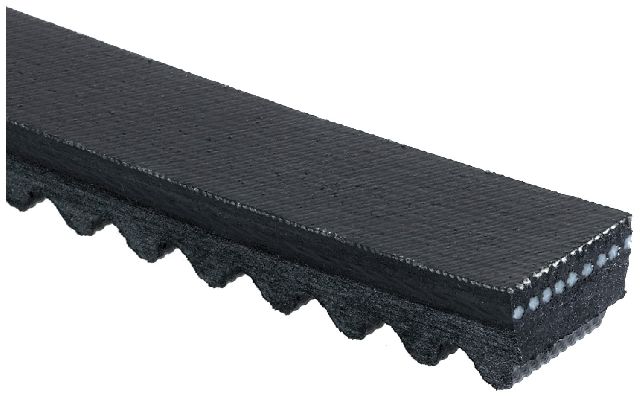
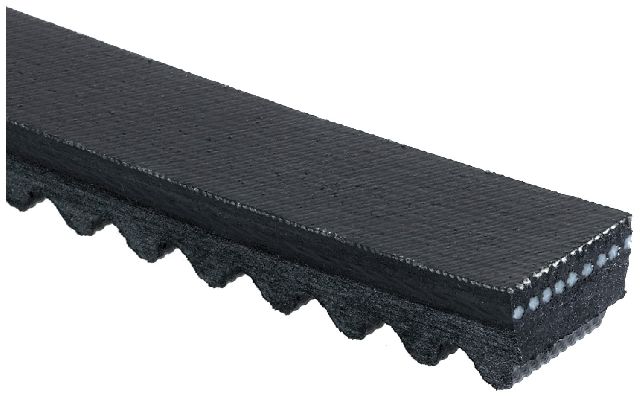
The cost for a new aftermarket accessory drive belt will vary based on the brand and the specific belt required for your engine's configuration. Note that older trucks like the 349 may use multiple individual V-belts instead of a single serpentine belt.
| Part Type | Price Range |
|---|---|
| New Aftermarket Accessory Drive Belt | $24.44 - $55.91 |
Frequently Asked Questions
How often should I replace the accessory drive belts on my Peterbilt 349?
For heavy-duty trucks, it's recommended to inspect belts during every oil change. There is no strict replacement interval for a vehicle of this age, but a full replacement of the front-end accessory drive system is often recommended around 300,000 miles on commercial vehicles. However, due to age, it's best to replace them at the first sign of cracking, fraying, or noise.
Does my truck have a serpentine belt or V-belts?
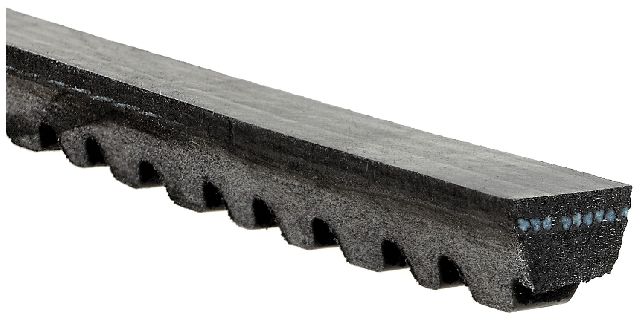
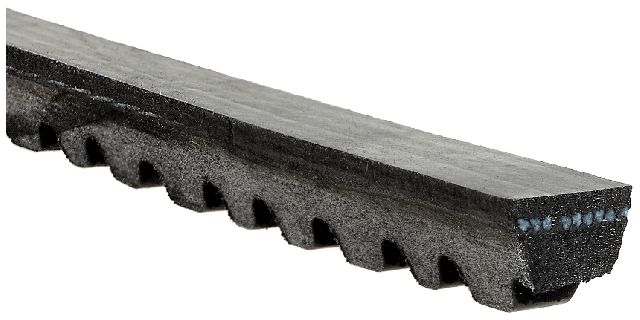
Trucks from this era could have either a single serpentine belt or, more commonly, multiple V-belts to drive different accessories. It's important to visually inspect your engine's setup or check your service manual to ensure you order the correct parts. Part listings often specify which component the belt drives, such as "Fan" or "Water Pump".
Can I replace the accessory drive belt myself?
For an experienced mechanic or owner, replacing an accessory drive belt is a feasible DIY job. It requires releasing the tension on the belt, removing the old one, and routing the new one correctly. However, access can be tight, and ensuring proper tension is critical. If you are not comfortable with the procedure, it's best to have a professional do the work.
Why is my new belt squealing?
A new belt can squeal for several reasons: incorrect tension (too loose), fluid contamination (oil or coolant on the pulleys), or a misaligned pulley. It can also be a sign that another component, like a tensioner or pulley bearing, is failing. Always ensure pulleys are clean and the belt is properly tensioned upon installation.
Technical Specifications
Belt length and rib count vary by engine and accessory configuration. Common aftermarket serpentine belts for this model include 6-rib and 8-rib designs with lengths around 43 inches to 63 inches. Many configurations use multiple V-belts. Always verify the specific belt needed for your truck's setup.
We Have This Part in Stock

The information in this article is provided for general reference and educational purposes only. Vehicle specifications, procedures, and part compatibility can vary by production date, trim level, and region. Always consult your vehicle's factory service manual and verify part numbers before purchasing or performing repairs. Safety-critical components such as airbags, seat belts, and braking systems should be installed by a qualified professional.
- Peterbilt 349: