

Ford Bronco Differential Bearing Set Guide for 1983-1987 Models
Hearing a whine or rumble from your rear axle? It might be time for new differential bearings.
- A whining, rumbling, or grinding noise from the rear axle that changes with speed is the primary symptom of failing differential bearings.
- This is not a DIY job for beginners; it requires special tools and expertise to set up the gears correctly.
- Use a high-quality aftermarket brand like Timken, as new OEM Ford parts are likely unavailable.
- Ignoring the problem can lead to catastrophic differential failure and a much more expensive repair.
Is Your Bronco's Rear Axle Making Noise?
A humming, whining, or rumbling noise from the rear of your 1983-1987 Ford Bronco that changes with speed is a classic sign of a failing differential bearing. You might notice the sound gets louder when you accelerate or when you let off the gas. Sometimes, the noise will change when you are turning. This is your truck's way of telling you that the bearings supporting the differential gears are wearing out.
Don't Ignore the Noise
Continuing to drive on bad differential bearings can lead to more severe damage. The metal-on-metal contact can destroy the expensive ring and pinion gears inside the differential, turning a bearing replacement into a much more costly axle rebuild. In a worst-case scenario, a seized bearing could cause the differential to lock up, creating a serious safety hazard.
Symptoms of a Failing Differential Bearing Set
- Whining or Howling Noise: A high-pitched whine that gets louder as you accelerate often points to worn gears, which can be caused by failing bearings.
- Rumbling or Whirring: A deep rumble or whirring sound that starts around 20 mph is a common symptom of worn carrier bearings. You may also hear a whirring noise when you decelerate, which often points to the pinion bearings.
- Grinding Sounds: A metallic grinding noise suggests the bearings are severely worn and metal parts are making contact.
- Clunking: A clunking sound when you shift into gear or on and off the gas can indicate excessive play, while a regular clunk every few feet could mean a broken gear tooth.
- Metal in the Oil: When changing your differential fluid, finding a large amount of metallic glitter is a sure sign of internal parts wearing down.
Choosing a Quality Aftermarket Bearing Set
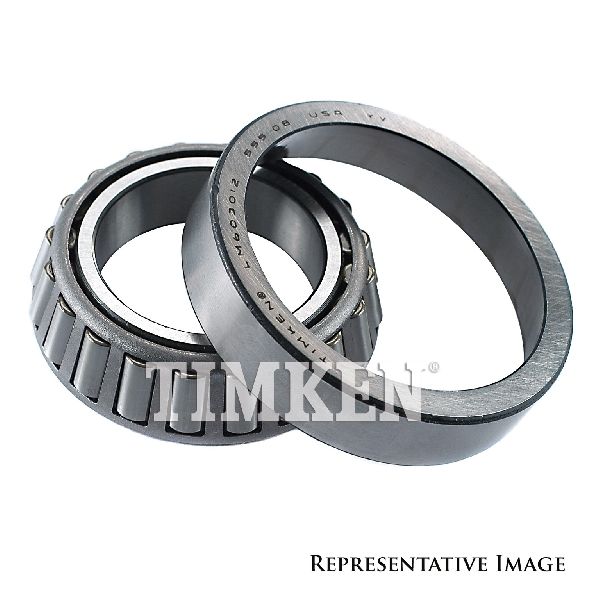
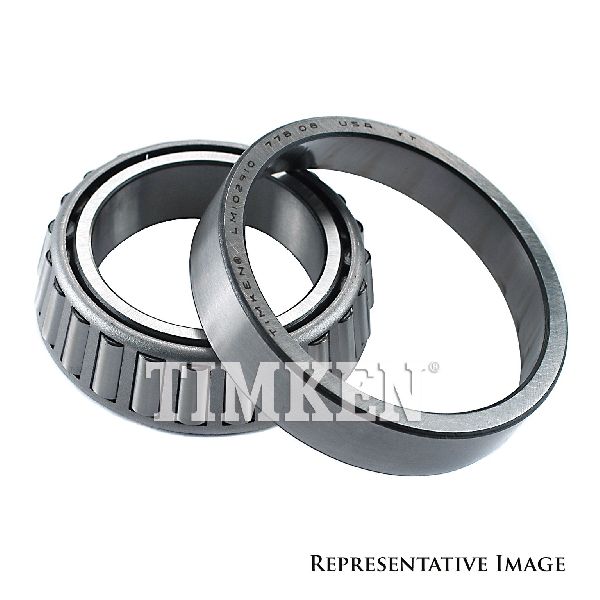
For a vehicle like the 1983-1987 Bronco, new original Ford parts are generally no longer available. The best choice is a high-quality aftermarket brand. Timken is widely regarded by mechanics as an industry-standard, top-tier brand for bearings. They are known for making durable parts that meet or exceed the quality of the original components. Choosing a reputable brand like Timken ensures you are getting a reliable part that will last, which is critical for a difficult job like this.
Cost to Replace Differential Bearings
Replacing differential bearings is a labor-intensive job. While the parts themselves are not very expensive, the labor costs make up the majority of the expense. This is not a simple bolt-off, bolt-on repair.
| Part/Service | Estimated Cost |
|---|---|
| New Aftermarket Bearing Set (Timken) | $38 - $40 |
| Shop Labor | $600 - $1,200 |
| Total Estimated Cost | $638 - $1,240 |
Note: Costs can vary based on your location and the specific shop. This estimate does not include the cost of gear oil, seals, or any other parts that may need to be replaced during the job.
Frequently Asked Questions
Is this a DIY job I can do at home?
For most home mechanics, this is not a recommended DIY project. Replacing differential bearings requires specialized tools like a hydraulic press, bearing pullers, and a dial indicator to set gear backlash. Incorrect installation can ruin the new bearings and gears very quickly. This job is best left to an experienced mechanic or a differential specialist.
What are carrier bearings vs. pinion bearings?
A differential bearing set includes several bearings. The pinion bearings support the pinion gear, which connects to the driveshaft. The carrier bearings support the differential carrier, which holds the ring gear and spider gears. Different noises can sometimes help a mechanic diagnose which set of bearings is failing.
Were there any recalls for the 1983-1987 Bronco differential?
No specific recalls or Technical Service Bulletins (TSBs) from the NHTSA were found for the differential bearings on the 1983-1987 Ford Bronco.
Should I replace anything else at the same time?
Yes. It is highly recommended to replace the pinion seal, axle seals, and the differential cover gasket whenever you replace the bearings. Your mechanic should also inspect the ring and pinion gears for any signs of damage. If the old bearings failed badly, the metal particles may have damaged other components.
Technical Specifications
The 1983-1987 Ford Bronco typically used a Ford 8.8-inch rear axle and a Dana 44 TTB front axle. Bearing kits must be matched to the specific axle in the vehicle.
We Have This Part in Stock

The information in this article is provided for general reference and educational purposes only. Vehicle specifications, procedures, and part compatibility can vary by production date, trim level, and region. Always consult your vehicle's factory service manual and verify part numbers before purchasing or performing repairs. Safety-critical components such as airbags, seat belts, and braking systems should be installed by a qualified professional.
- Ford Bronco: