

A Comprehensive Guide to the 1983-1987 Buick Century Power Steering Pump
If your Buick Century is whining, groaning, or hard to steer, the power steering pump is a likely culprit.
- Whining noises and stiff steering are the primary symptoms of a failing pump.
- Aftermarket pump quality is very mixed; consider a used OEM part as a reliable alternative.
- Always flush the old fluid and bleed the new system properly to avoid damaging the new pump.
- Stiff steering only when cold may point to a problem with the steering rack, not the pump.
Is Your Buick Century Power Steering Pump Failing?
A failing power steering pump rarely quits without warning. For the 1983-1987 Buick Century, the signs are classic. You will likely hear a distinct whining or groaning sound that gets louder when you turn the wheel. Another common symptom is stiff steering, which feels like you're fighting the car during parking or slow turns. You might also spot reddish or dark brown fluid puddles under the front of your engine, indicating a leak.
A Note on GM A-Body Steering Issues
The Buick Century from this era shares its A-body platform with other GM cars. These models were known for a condition called "morning sickness," where steering is extremely stiff when the car is cold and improves as it warms up. While this can be a pump issue, it is frequently caused by worn internal seals in the steering rack itself. If you only have stiff steering when the engine is cold, have the entire system inspected before replacing only the pump.
Choosing a New Aftermarket Power Steering Pump
Original Equipment (OEM) new pumps for a vehicle of this age are generally no longer produced by GM. This means your main options are new aftermarket pumps, remanufactured pumps, or used OEM parts.
Aftermarket quality for this part can be inconsistent. Here is an honest breakdown of the available brands based on owner and mechanic feedback:
- Cardone (A1 Cardone): This is one of the most widely available brands. However, owner experiences are very mixed, with many reporting premature failures, leaks, and noise right out of the box. While some have no issues, it is often considered a budget-tier option with a higher-than-average failure rate.
- BBB Industries: Similar to Cardone, BBB Industries is a common remanufacturer with a mixed reputation. Some mechanics consider them slightly better than Cardone, while others group them in the same budget-quality category.
- Mapco: There is limited specific feedback available for Mapco pumps on this particular GM application in the North American market.
The Professional's Secret: Used OEM
Many experienced mechanics and long-time owners of older GM cars prefer sourcing a low-mileage, used OEM pump from a salvage yard over a new budget-brand aftermarket pump. The factory-original pumps often had better build quality and durability. If you choose this route, inspect the part carefully and consider installing new seals.
What to Expect for Replacement Costs
The total cost depends on whether you do the work yourself or hire a shop. The most important part of the job is to flush all old, contaminated fluid from the system and properly bleed the air out after installation to prevent damaging the new pump.
| Part or Service | Estimated Cost |
|---|---|
| New Aftermarket Pump | $83.86 - $162.44 |
| Used OEM Pump (Salvage) | $40 - $80 |
| Shop Labor | $125 - $180 |
| Total (Shop Installed) | $210 - $345 |
Frequently Asked Questions (FAQ)
Why is my new power steering pump whining?
The most common cause of noise from a new pump is air trapped in the system. The system must be properly bled by turning the steering wheel from lock to lock several times with the engine off, and then again with the engine on, while checking the fluid level. If the noise persists, it could indicate a defective pump.
Do I need a special tool to replace the pulley?
Yes, in many cases you will need a specific power steering pump pulley puller and installer tool. These pumps often have a pulley that is press-fit onto the shaft. Attempting to remove it with a standard gear puller or by prying can damage the pulley or the pump. These tools can often be rented from auto parts stores.
Should I replace the hoses with the pump?
It is highly recommended. Old, brittle, or oil-soaked hoses can fail, causing a massive leak. More importantly, tiny pieces of the old hose's inner lining can break off and contaminate your new pump, causing it to fail prematurely. Replacing the high-pressure and return hoses is cheap insurance for your new pump.
Are there any recalls for the 1983-1987 Century power steering?
No, there are no open or recent recalls on the NHTSA database specifically for the power steering pump on the 1983-1987 Buick Century. Recalls found are for much newer models with different steering systems.
Technical Specifications
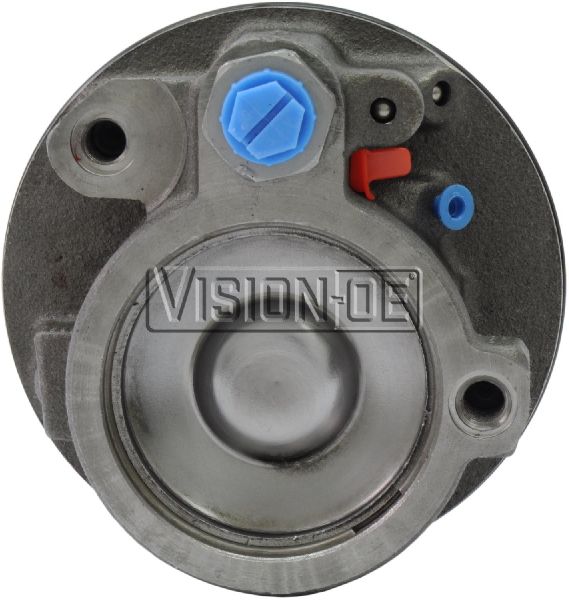
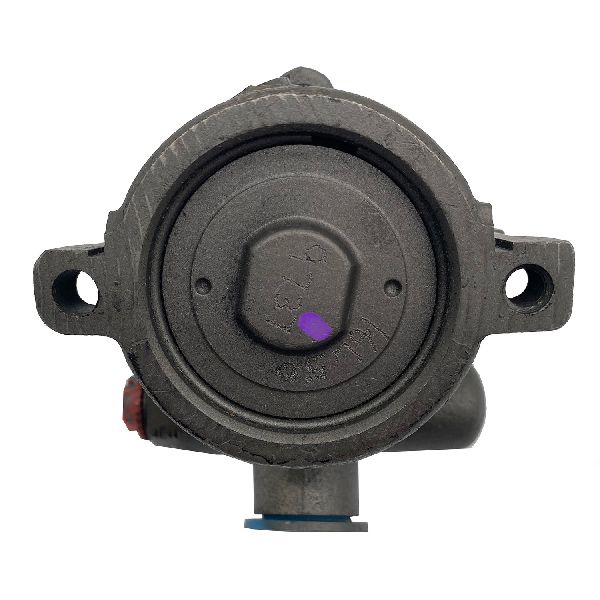
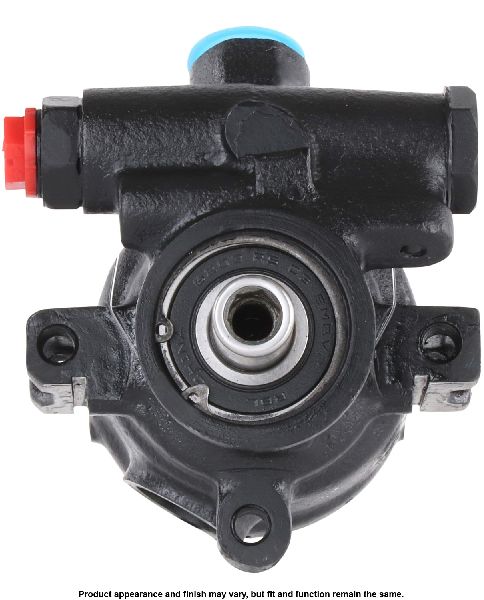
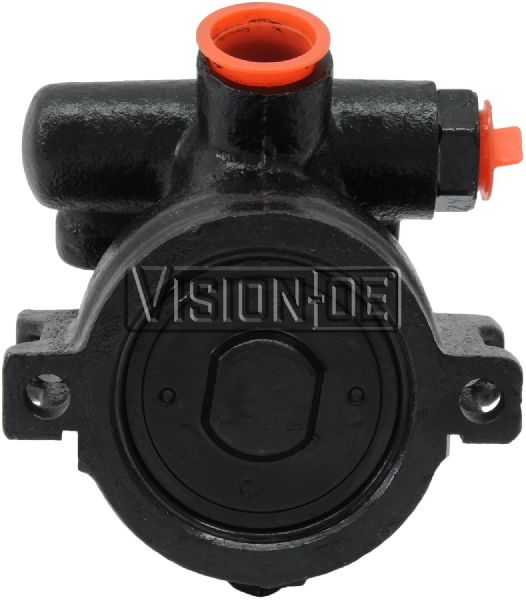
This vehicle uses a belt-driven hydraulic power steering pump. The pulley is typically press-fit and may need to be transferred from the old pump, requiring a special tool. The fluid reservoir may or may not be included with the replacement pump.
We Have This Part in Stock

The information in this article is provided for general reference and educational purposes only. Vehicle specifications, procedures, and part compatibility can vary by production date, trim level, and region. Always consult your vehicle's factory service manual and verify part numbers before purchasing or performing repairs. Safety-critical components such as airbags, seat belts, and braking systems should be installed by a qualified professional.
- Buick Century: