

Steering Tie Rod End Guide for the 1983-1984 Chrysler E Class
Fix loose steering and uneven tire wear on your classic Chrysler by choosing the right replacement tie rod ends.
- Symptoms of failure include loose steering, clunking noises, and uneven tire wear.
- A professional wheel alignment is mandatory after replacing tie rod ends to ensure safety and prevent tire damage.
- Aftermarket is the only viable option; brands like Moog and Delphi offer premium quality while Dorman and Mevotech provide good value.
- Parts are often shared with the Dodge 600 and Plymouth Caravelle of the same era, expanding your search options.
Is Your Chrysler E Class Steering Feeling Loose?
If you're noticing your 1983-1984 Chrysler E Class doesn't handle like it used to, the problem could be worn steering tie rod ends. These small joints wear out over time, leading to a variety of steering and suspension issues. Because the E Class shares its K-car based platform with more common models like the Dodge 600 and Chrysler LeBaron, these symptoms are well-understood for this generation of vehicle.
Symptoms of a Bad Tie Rod End
- Loose or Shaky Steering: A feeling of excessive play or looseness in the steering wheel is a classic sign. The car might feel like it's wandering on the road, and you may notice a vibration in the steering wheel that gets worse with speed.
- Clunking or Popping Noises: Worn tie rods will often make a clunking or rattling sound from the front end, especially when you're turning at low speeds or driving over bumps. This is the sound of the loose joint moving around.
- Uneven Tire Wear: One of the most visible signs is abnormal wear on the inside or outside edge of your front tires. This happens because a bad tie rod allows the wheel alignment to be knocked out of specification.
- Poor Wheel Alignment: If your car constantly pulls to one side or you can't seem to keep a good alignment, failing tie rod ends are a likely culprit.
Pro Tip: K-Platform Parts
The Chrysler E Class was only made for two years and is based on the extended 'E' version of Chrysler's K-car platform. This means many steering and suspension parts, including tie rod ends, are shared with the 1983-1988 Dodge 600, 1983-1987 Chrysler New Yorker, and 1985-1988 Plymouth Caravelle. If you have trouble finding a part listed specifically for the 'E Class', searching for these models can often yield the correct compatible part.
Choosing the Right Aftermarket Tie Rod End
For a vehicle of this age, original equipment (OEM) parts from Mopar are generally no longer available. The aftermarket is your primary source for new parts. Quality can vary, so it's important to choose a brand that fits your needs and budget.
Brand Quality Tiers
- Premium Brands (Moog, Delphi): These brands are known for high-quality components that often meet or exceed original specifications. Delphi is a well-regarded OE supplier for many manufacturers, and their parts are known for good performance and reliability. Moog has a long-standing reputation as a premium aftermarket choice, often featuring enhancements like greaseable fittings for longer service life. While some online discussions mention a recent dip in Moog's quality, they are still widely considered a top-tier option.
- Mid-Grade Brands (Mevotech): Mevotech offers a balance of quality and affordability. They have different product lines, with some (like their TTX series) being highly regarded. For a daily-driven classic, Mevotech can be a solid, cost-effective choice.
- Standard/Budget Brands (Dorman, Suspensia): Dorman provides a vast catalog of affordable replacement parts and is a common choice for budget-conscious repairs. The quality can be variable but is generally sufficient for normal driving. Suspensia is typically a budget-friendly option. While less is known about the brand, it can serve the purpose for a car that sees limited use.
Alignment is NOT Optional
Any time you replace a steering tie rod end, you MUST have a professional front-end alignment performed. Failure to do so will cause poor handling, unsafe driving characteristics, and will rapidly wear out your new tires. Counting the threads during installation can get the alignment close enough to drive to a shop, but it is not a substitute for a proper alignment.
Estimated Replacement Costs
The following table breaks down the potential costs for replacing tie rod ends on your E Class. Prices can vary based on your location and the specific parts chosen.
| Item | Estimated Cost |
|---|---|
| New Aftermarket Tie Rod Ends (Pair, Outer) | $18 - $100 |
| Shop Labor (1-2 Hours) | $100 - $250 |
| Required Wheel Alignment | $100 - $200 |
| Total Estimated Cost (Professional) | $218 - $550 |
Frequently Asked Questions (FAQ)
Can I replace just one tie rod end?
While you can replace only the failing part, it is highly recommended to replace tie rod ends in pairs (both outer ends, for example). If one has failed due to age and wear, the other is likely not far behind. Replacing them together saves on labor and ensures a single, comprehensive alignment.
Should I replace the inner and outer tie rods at the same time?
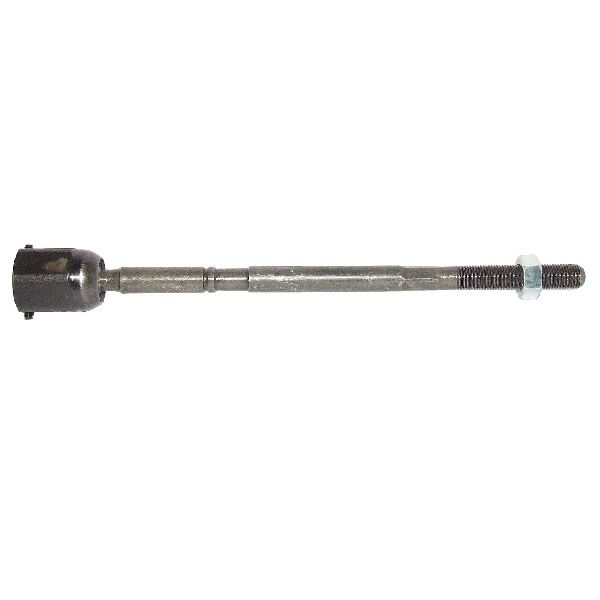
It's a good practice, especially on an older vehicle. The inner tie rods (which connect to the steering rack) wear out just like the outers. Replacing both inner and outer tie rods at the same time is more work but ensures the entire steering linkage is tight and new. This requires a special inner tie rod removal tool, which can often be rented from auto parts stores.
Is this a difficult DIY job?
For a home mechanic with the right tools, replacing outer tie rod ends is a manageable job. It requires safely lifting and supporting the vehicle, and you may need a special tool called a tie rod puller or separator to get the old part out of the steering knuckle. The most critical part is getting a professional alignment done immediately after the repair.
What is the difference between an inner and an outer tie rod end?
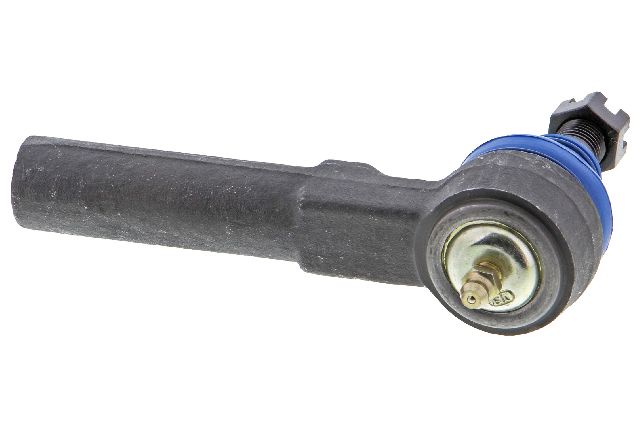
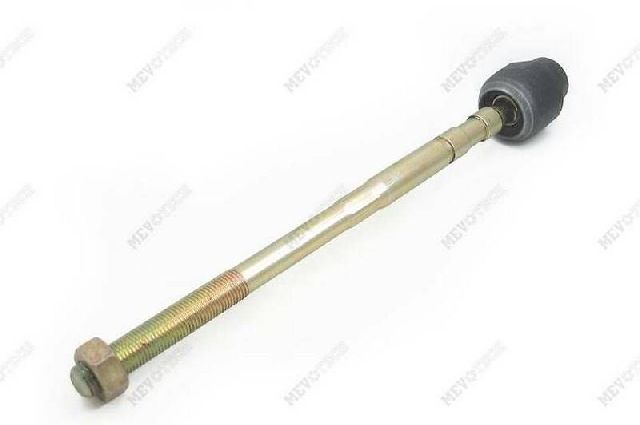
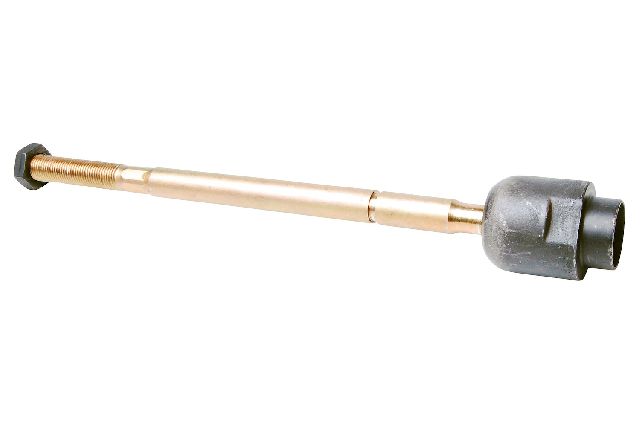
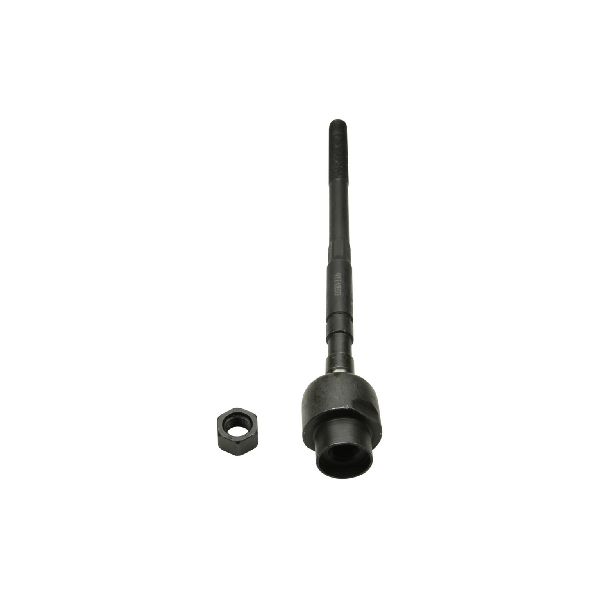
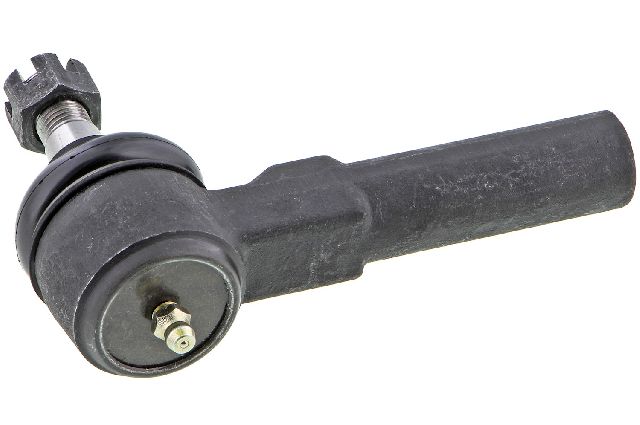
The outer tie rod end connects directly to the steering knuckle at the wheel. The inner tie rod end connects to the steering rack, which is located closer to the center of the car, under the engine. The two are threaded together, which allows for toe alignment adjustments.
Technical Specifications
OEM Part Numbers: 4147094 4147095 4147133 4147136 4333104 4333122 4333123 4333124 4333125 5205291
The 1983-1984 Chrysler E Class uses a front-wheel-drive rack-and-pinion steering system. It requires both inner and outer tie rod ends. Some aftermarket parts may come with grease fittings (zerks) for maintenance, while others are sealed for life. Ensure you select the correct part for the inner/outer and driver/passenger side as needed.
We Have This Part in Stock

The information in this article is provided for general reference and educational purposes only. Vehicle specifications, procedures, and part compatibility can vary by production date, trim level, and region. Always consult your vehicle's factory service manual and verify part numbers before purchasing or performing repairs. Safety-critical components such as airbags, seat belts, and braking systems should be installed by a qualified professional.
- Chrysler E Class: