

Chevrolet Cavalier 1982-1995 Catalytic Converter Replacement Guide
Is your Cavalier losing power or smelling like rotten eggs? Your catalytic converter might be the problem.
- Catalytic converters fail because of other engine problems; find and fix the root cause first to avoid damaging the new part.
- Your 1982-95 Cavalier uses an OBD-I system, so diagnosis relies on physical symptoms like power loss and smell, not specific codes.
- Aftermarket brands like Walker offer a good balance of quality and price, while Magnaflow is a premium option and AP/Eastern are budget-friendly.
- Due to the age of the vehicle, expect severe rust on exhaust bolts, which can make replacement much more difficult than on a newer car.
Is Your Cavalier's Catalytic Converter Failing?
On a 1982-1995 Chevrolet Cavalier, the signs of a failing catalytic converter are usually very noticeable. Because these cars were built before modern OBD-II diagnostics, you won't get a specific 'P0420' code. Instead, you need to pay attention to how your car drives and smells.
Common Failure Symptoms
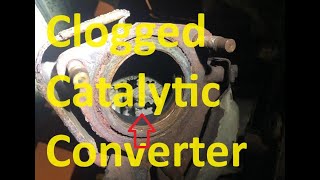
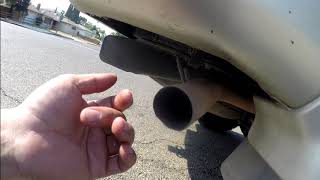
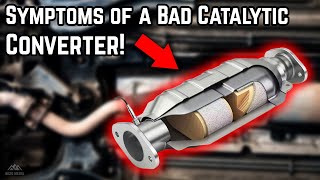
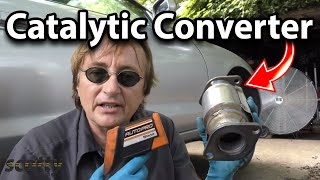
🎬 Watch: A visual guide to common clogged converter symptoms- Loss of Power: This is the most common sign. Your car may feel sluggish and struggle to accelerate, especially going uphill. A completely clogged converter can prevent the engine from revving properly or even starting.
- Rotten Egg Smell: A strong sulfur or rotten egg smell from the exhaust is a classic sign that the converter is not properly processing exhaust gases.
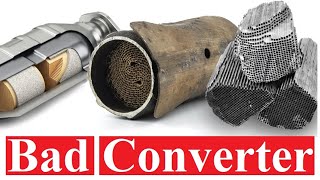
- Rattling Noises: If the ceramic honeycomb inside the converter breaks apart, you may hear a rattling or clunking sound from underneath the car.
- Poor Fuel Economy: When the engine can't breathe properly due to exhaust backpressure, it has to work harder, which uses more fuel.
- Failed Emissions Test: In states that require emissions testing, a bad converter is a guaranteed failure.
Find the Root Cause First!
A catalytic converter usually doesn't just fail on its own. It's often killed by another problem. Before you spend money on a new converter, make sure you or your mechanic fix the underlying issue. Common causes include bad spark plugs, a faulty oxygen sensor, incorrect engine timing, or an engine that burns oil. Installing a new converter without fixing the root cause will likely destroy the new part quickly.
Choosing the Right Aftermarket Converter
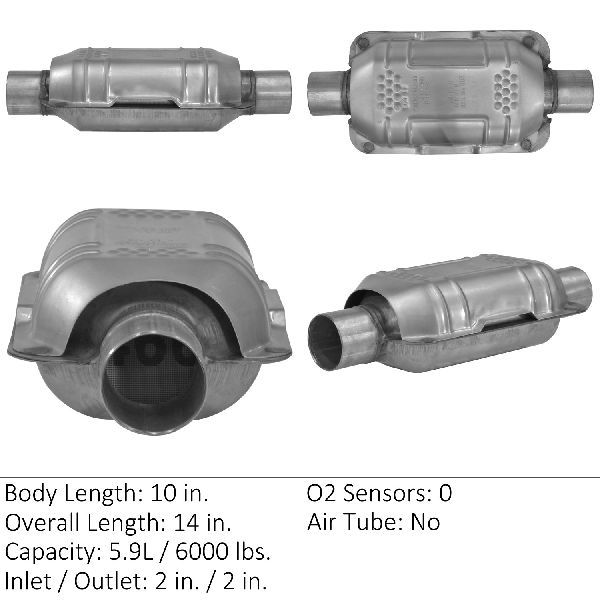
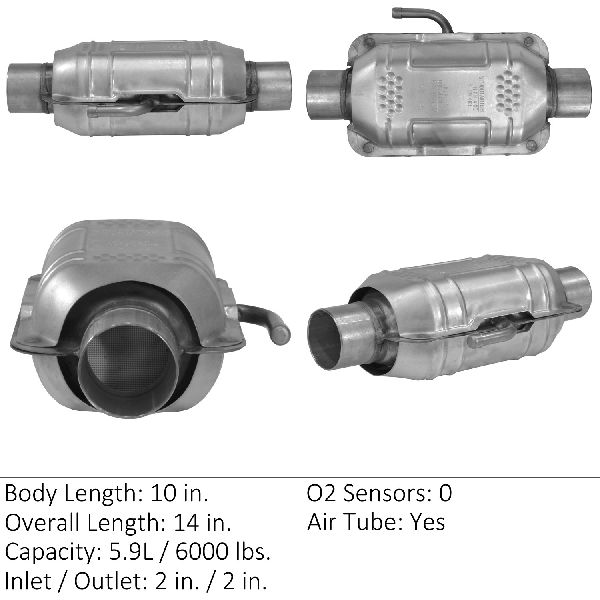
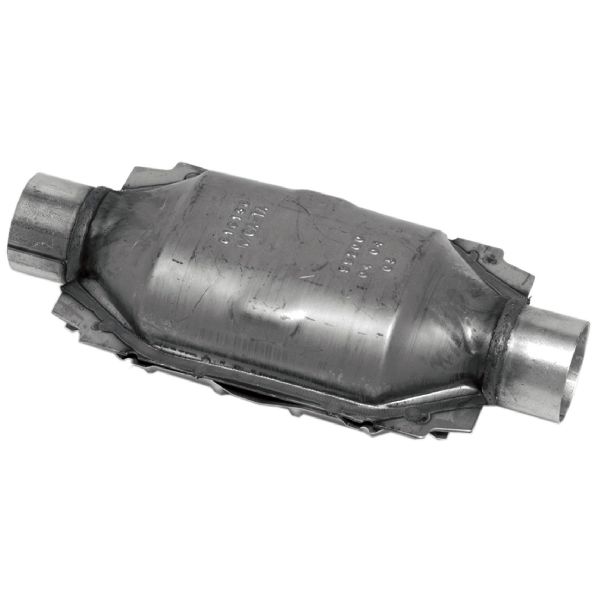
For a vehicle as old as the 1982-1995 Cavalier, an Original Equipment (OEM) converter is likely unavailable or extremely expensive. Aftermarket parts are the practical choice. They are available in two main types: Direct-Fit and Universal-Fit.
- Direct-Fit: These are designed to bolt right into your specific vehicle's exhaust system without modification. They are easier and faster to install.
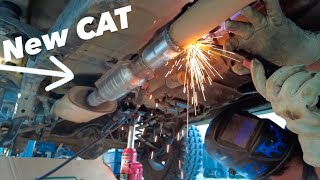
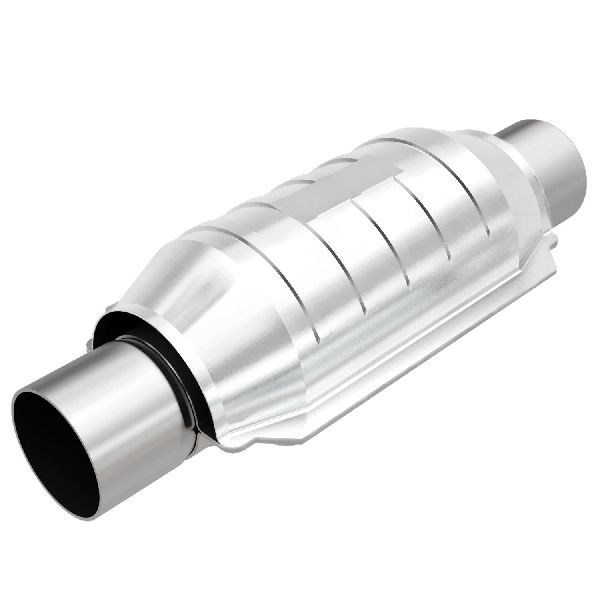
- Universal-Fit: These are cheaper but require cutting the old converter out and welding the new one in place. This adds labor time and cost if you're not doing it yourself.
Here’s a breakdown of the available brands:
Brand Tiers for Your Cavalier
Tier 1: Premium & Performance Brands
- MagnaFlow / MagnaFlow Performance Exhaust: Often considered a premium aftermarket brand, known for stainless steel construction and designs that can improve exhaust flow. They are a great choice if you're looking for longevity and potentially a slight performance gain, but they come at a higher price.
Tier 2: Standard Replacement Brands
- Walker Exhaust: One of the most trusted names in aftermarket exhaust parts. Walker converters are known for good quality and fit, offering a reliable balance between price and performance. Many consider them the go-to for a standard replacement.
Tier 3: Economy Brands
- AP Exhaust / Eastern Catalytic: These brands offer a cost-effective solution to get your car back on the road and pass emissions. While some users report occasional fitment issues, they provide a functional replacement at a budget-friendly price. They are a good choice for an older vehicle where the primary goal is affordability.
Cost to Replace a 1982-1995 Cavalier Catalytic Converter
| Part Type | Estimated Cost |
|---|---|
| New Aftermarket Converter (Part Only) | $84 - $1,078 |
| Shop Labor | $150 - $400 |
| Total Estimated Cost | $234 - $1,478 |
Costs are estimates. The wide price range for parts depends on whether it's a universal or direct-fit model and if it's compliant with strict California (CARB) emissions standards, which are more expensive. Labor costs vary based on shop rates and whether cutting and welding are needed.
Frequently Asked Questions
Do I need a CARB-compliant converter?
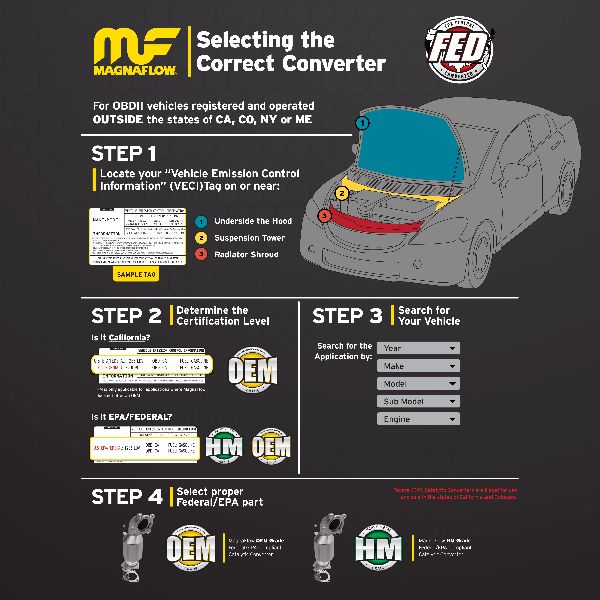
Only if your vehicle is registered in California or a state that has adopted CARB emissions standards (like New York, Maine, Colorado, etc.). For most states, a Federal/EPA compliant converter is sufficient and less expensive. Check your local regulations.
Can I just remove the catalytic converter?
No. Removing the catalytic converter is illegal and will cause your vehicle to fail any emissions inspection. It is also bad for the environment.
What are the OBD-I codes for a bad converter?
Your 1982-1995 Cavalier uses an OBD-I system, which does not have a specific code for catalytic converter efficiency. A 'Service Engine Soon' light might be on for a related problem, like a bad oxygen sensor (Code 13), which can cause the converter to fail. Diagnosis relies on physical symptoms like power loss and smell.
Can I replace the catalytic converter myself?
If you have a direct-fit part and are experienced with auto repair, it is possible. However, due to heavy rust on vehicles of this age, bolts often break, requiring special tools like torches and saws. If you have a universal-fit converter, welding is required. For most people, professional installation is recommended.
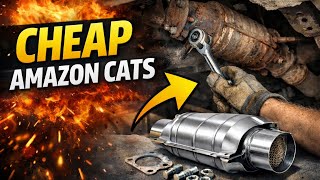
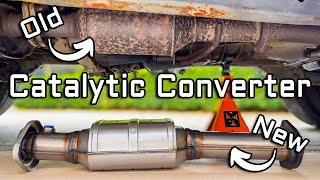
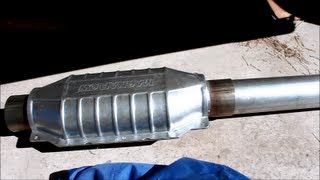
🎬 Watch this DIY tutorial on how to replace your converterHelpful Videos

Technical Specifications
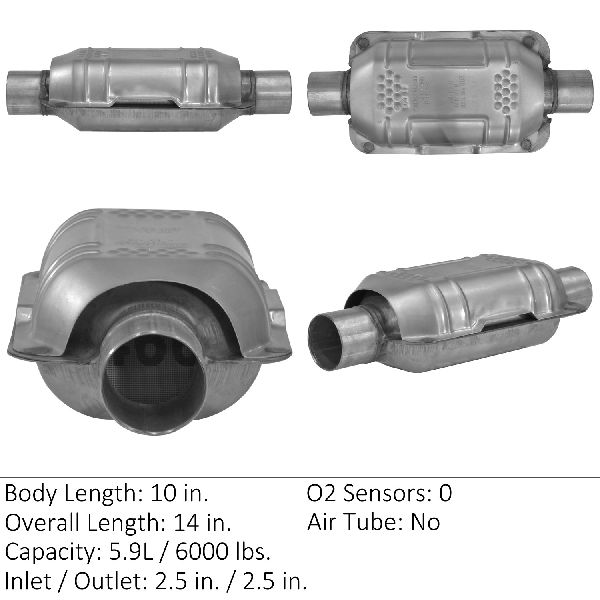
Varies by engine size (e.g., 2.0L, 2.2L, 2.8L V6, 3.1L V6) and model year. Both direct-fit and universal-fit options are available. Check for Federal (EPA) or California (CARB) emissions compliance based on your state's laws.
We Have This Part in Stock

The information in this article is provided for general reference and educational purposes only. Vehicle specifications, procedures, and part compatibility can vary by production date, trim level, and region. Always consult your vehicle's factory service manual and verify part numbers before purchasing or performing repairs. Safety-critical components such as airbags, seat belts, and braking systems should be installed by a qualified professional.
- Chevrolet Cavalier: