

A/C Compressor Guide for the 1982-1988 Ford F-150
Get your classic Bullnose or Bricknose F-150's air conditioning blowing cold again by understanding the heart of the system.
- Always replace the accumulator/drier and orifice tube when installing a new compressor to prevent premature failure.
- Your truck's original R12 system must be properly converted to R134a, which includes flushing the old oil and replacing O-rings.
- A catastrophic compressor failure ('Black Death') requires flushing the entire A/C system to remove metal shavings.
- Buying a complete A/C kit is often the most reliable and cost-effective way to do the job right the first time.
Is Your F-150's A/C Compressor Failing?

For 1982-1988 Ford F-150s, the A/C system is relatively simple, but a failing compressor can show several clear signs. If your truck's air conditioning isn't what it used to be, look for these common symptoms.
Symptoms of a Bad A/C Compressor
- No Cold Air: The most obvious sign. If the compressor isn't working, the refrigerant doesn't circulate, and the air from your vents will be warm.
- Grinding or Squealing Noises: Loud noises when you turn the A/C on often mean the compressor's internal parts or bearings are worn out and failing. If the noise happens even with the A/C off, the pulley bearing could be bad.
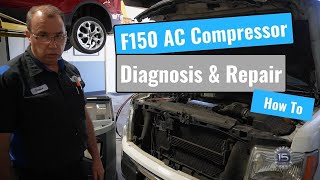
- A/C Clutch Doesn't Engage: 🎬 Watch this diagnostic guide to identify a failing compressor. The compressor is driven by a belt and uses an electromagnetic clutch to engage and disengage. When you turn on the A/C, you should hear a "click" as the clutch engages. If it doesn't, it could be an electrical issue, a bad clutch coil, or the system might be too low on refrigerant.
- Leaking Fluid: The compressor has seals that can leak refrigerant and oil. You might see a greasy, dirty area on the compressor body or find traces of refrigerant dye if it has been added previously.
Black Death: A Catastrophic Failure
When a compressor fails internally, it can send metal shavings throughout the entire A/C system. This is often called "Black Death." If this happens, simply replacing the compressor isn't enough. The entire system—hoses, condenser, and evaporator—must be thoroughly flushed, and the accumulator/drier and orifice tube MUST be replaced to prevent the new compressor from failing immediately.
Choosing the Right Aftermarket Compressor

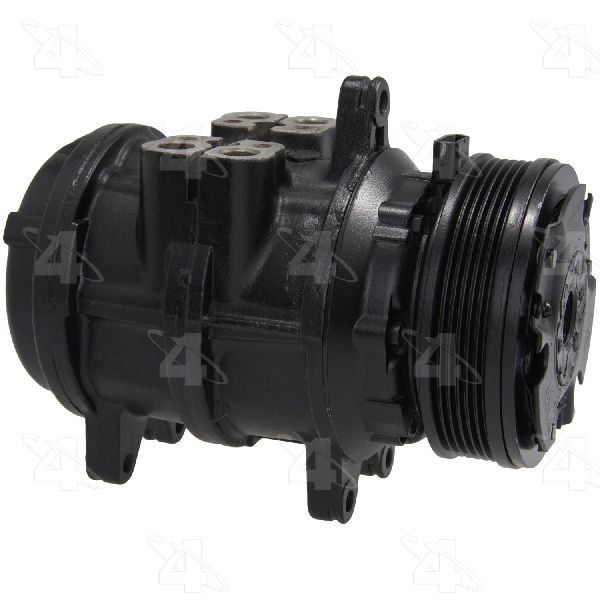
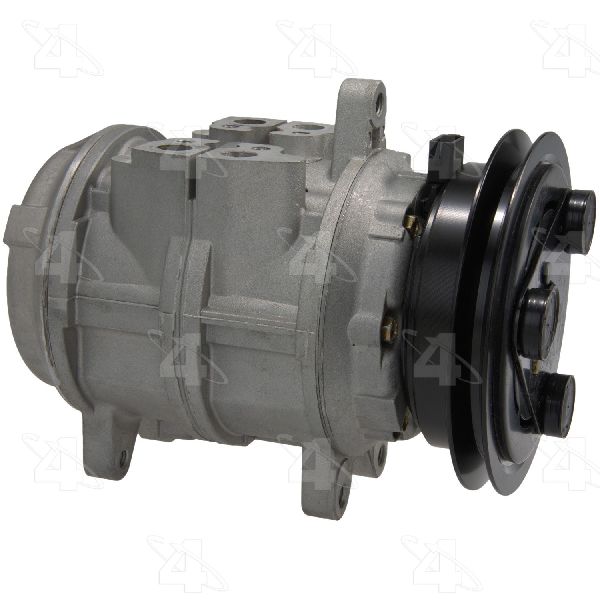
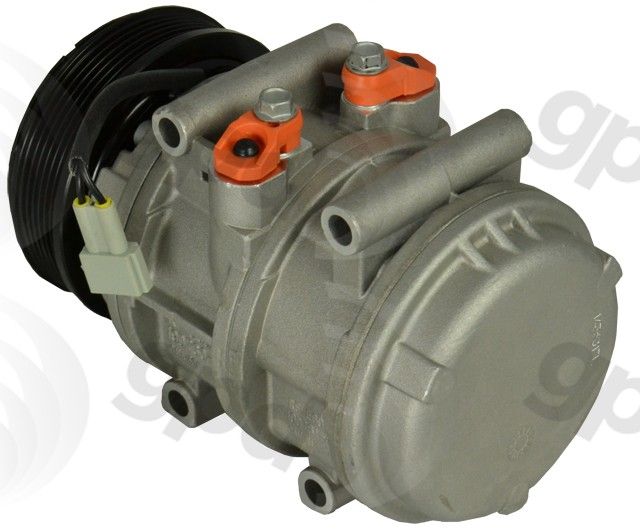
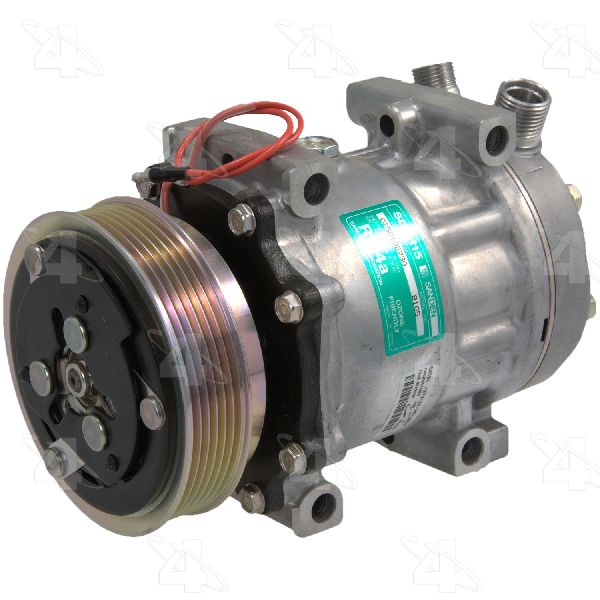
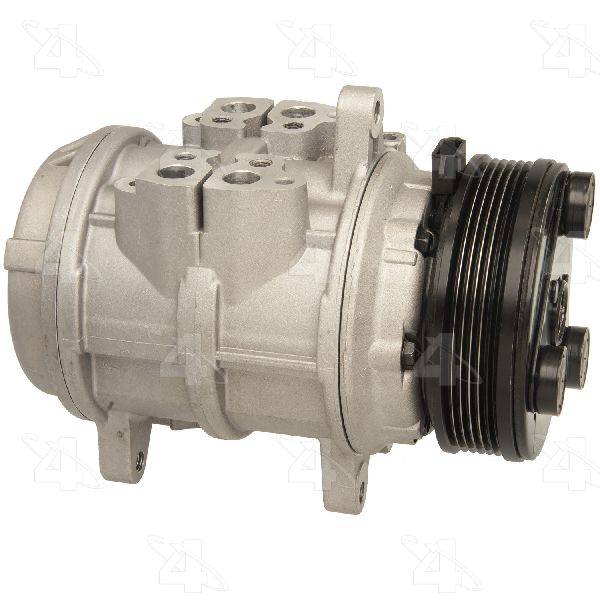
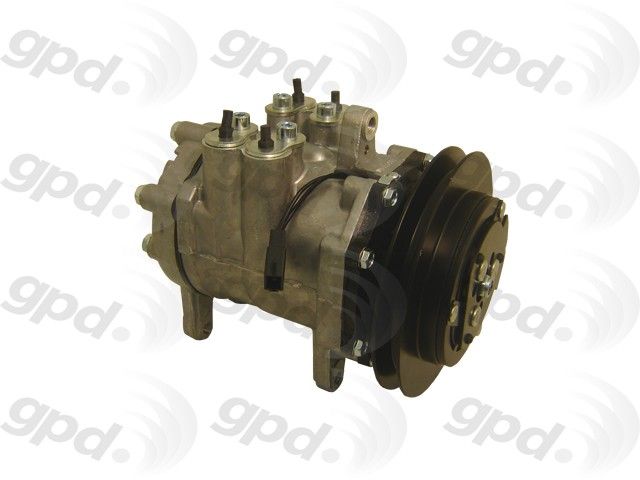
For a truck as old as a 1982-1988 F-150, finding a new OEM (Original Equipment Manufacturer) Ford compressor is nearly impossible. Your realistic options are new aftermarket or remanufactured parts. This guide focuses on new aftermarket compressors.
OEM vs. Aftermarket Quality
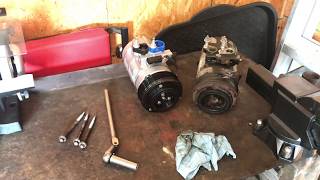
Original compressors on these trucks were built to last but are now 30-40 years old. Modern aftermarket brands like Four Seasons and Global Parts Distributors (GPD) are the most common choices. Forum discussions show mixed but generally acceptable experiences with these brands. Some users report Four Seasons compressors working well for years, while others have experienced early failures with remanufactured units from any brand. 🎬 See why some owners avoid remanufactured Four Seasons parts. Given the price point, a new aftermarket compressor from a reputable brand is often a good balance of cost and reliability for these older trucks.
Always Buy a Kit!
To ensure your new compressor lasts, it's highly recommended to buy a complete A/C kit. These kits typically include the compressor, a new accumulator/drier, an orifice tube, and the necessary O-rings and seals. Replacing these related parts is critical for a successful and long-lasting repair.
R12 vs. R134a: What You Need to Know

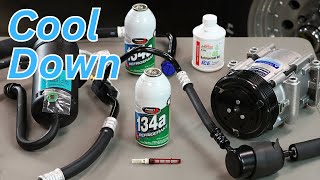
Your 1982-1988 F-150 originally came with R12 refrigerant, which is no longer readily available and is very expensive. Most systems have either been converted to the modern R134a standard or will need to be during the compressor replacement. A proper conversion involves:
- Replacing the accumulator/drier.
- Replacing the orifice tube (a red one is often used for R134a conversions).
- Flushing all old mineral oil (for R12) out of the system.
- Using the correct PAG or Ester oil for R134a.
- Replacing all O-rings with R134a-compatible (green) ones.
Failing to do a proper conversion will result in poor cooling performance and potential damage to your new compressor.
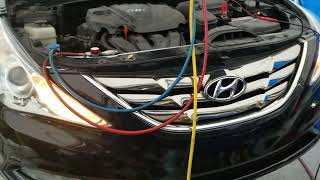
🎬 Follow this step-by-step R12 to R134a conversion tutorial.| Part/Service | Estimated Cost |
|---|---|
| New Aftermarket A/C Compressor | $270 - $432 |
| New Aftermarket A/C Kit (Compressor, Drier, Orifice Tube, etc.) | $350 - $550 |
| Shop Labor for Replacement | $250 - $600 |
Frequently Asked Questions (FAQ)
Do I have to replace other parts with the compressor?
Yes. At a minimum, you MUST replace the accumulator/drier and the orifice tube. The accumulator contains a desiccant that removes moisture from the system, and it can only absorb so much. Opening the system to replace the compressor exposes it to air and moisture, saturating the old accumulator. Failure to replace it will cause your new compressor to fail quickly.
Can I replace just the A/C clutch?
Sometimes, but it's often not worth it. If the compressor is old, another part of it may fail soon after. Also, if the clutch failed because the compressor itself is starting to seize, a new clutch won't solve the root problem. Given the affordable cost of a new compressor assembly, replacing the entire unit is usually the smarter choice.
What kind of oil do I need for my new compressor?
This depends on the refrigerant you are using. If converting to R134a, you will use PAG oil (often PAG 46 or PAG 100) or Ester oil. New compressors often come pre-charged with a small amount of oil, but you must verify the type and add the correct total system amount according to the manufacturer's instructions. The wrong oil or incorrect amount can destroy the compressor.
Are there any recalls or TSBs for my truck's A/C?
No recalls were found specifically for A/C compressor failure on the 1982-1988 F-150. However, Ford did issue Technical Service Bulletins (TSBs) regarding the availability of A/C retrofit kits for converting to newer refrigerants and warnings about using non-approved refrigerants.
Helpful Videos
Technical Specifications
Compressor Type: Ford FS6 (common for later years in this range), York-style (common for earlier years). Refrigerant Type (Original): R12. Refrigerant Type (Conversion): R134a. Clutch Type: Electromagnetic.
We Have This Part in Stock

The information in this article is provided for general reference and educational purposes only. Vehicle specifications, procedures, and part compatibility can vary by production date, trim level, and region. Always consult your vehicle's factory service manual and verify part numbers before purchasing or performing repairs. Safety-critical components such as airbags, seat belts, and braking systems should be installed by a qualified professional.
- Ford F-150: