

Engine Coolant Temperature Sensor Guide for the 1982-1983 Pontiac J2000
Learn to spot the signs of a failing coolant sensor in your J2000 and choose the right aftermarket replacement.
- A failing ECT sensor directly impacts your J2000's fuel mixture, causing poor mileage and rough running.
- This is a simple, low-cost repair that is feasible for most DIY mechanics.
- For best results and longevity, choose a premium aftermarket brand like NGK or Standard Ignition.
- Be prepared to replace the sensor's electrical connector, as the original plastic can be brittle after 40+ years.
Is Your J2000's Coolant Temp Sensor Failing?
A bad Engine Coolant Temperature (ECT) sensor can cause problems that seem much bigger than they are. Because the sensor's reading affects fuel and timing, a false signal can make the engine run poorly. If the sensor incorrectly tells the computer the engine is cold when it's actually warm, the computer will enrich the fuel mixture, leading to poor gas mileage, black smoke from the exhaust, and potentially fouled spark plugs over time. Conversely, if it tells the computer the engine is warm when it's cold, you may experience hard starting and rough idling.
OBD-I Codes are Different
Your 1982-1983 J2000 uses an early diagnostic system called OBD-I, not the modern OBD-II system found in cars from 1996 and newer. While a failing ECT sensor will trigger the 'Check Engine' light, the codes are different. For early GM vehicles, you might see codes like 14 or 15, which point to the coolant sensor circuit. These codes are typically retrieved by bridging two pins on the diagnostic connector under the dash and counting the flashes of the Check Engine light.
Choosing the Right Aftermarket Sensor
For a vehicle like the 1982-1983 J2000, original equipment (OEM) ACDelco parts can be difficult to find as new old stock (NOS) and may be expensive. Aftermarket sensors are the most practical and widely available option. Quality among aftermarket brands can vary, but for a critical sensor like this, it's wise to choose a reputable brand.
Premium Aftermarket Brands ($18 - $24):
- NGK (NTK): As a major OE supplier, NTK sensors are known for their quality, rigorous testing, and matching OE performance. They are often considered a top-tier choice for reliability.
- Standard Ignition (SMP): A long-standing brand in the aftermarket, Standard Motor Products offers high-quality components that are factory-tested to ensure performance. Some users report their quality is as good as or better than the original parts.
Standard Aftermarket Brands ($12 - $18):
- Four Seasons: While well-known for climate control parts, Four Seasons also produces a range of engine management sensors that offer a balance of quality and value.
- Holstein: Holstein promotes its parts as being made in the same factories as OEM components, with a low failure rate and a good warranty. They aim to provide OE quality at a lower price point.
- Motorad: Motorad manufactures a wide range of thermostats and sensors, stating their parts meet or exceed OEM specifications and are 100% factory calibrated. User reviews can be mixed, with some experiencing premature failures on other parts like thermostats.
Economy Brands:
- True Tech: Generally positioned as a budget-friendly option, these sensors will get the job done but may not have the same level of quality control or longevity as premium brands.
Pro Tip: Consider the Connector
On older vehicles, the plastic wiring connector that plugs into the sensor can become brittle and break during replacement. Some brands, like Standard Ignition, offer kits that include a new sensor and a replacement connector pigtail, which is a smart purchase to avoid a second trip to the parts store. A poor connection was a known issue on these vehicles.
Typical Replacement Costs
| Part Type | Estimated Cost |
|---|---|
| New Aftermarket Part | $12.58 - $23.49 |
| New OEM (ACDelco NOS) | $30 - $50+ (If available) |
| Shop Labor | $50 - $100 |
Frequently Asked Questions (FAQ)
Where is the ECT sensor located on a 1982-1983 J2000?
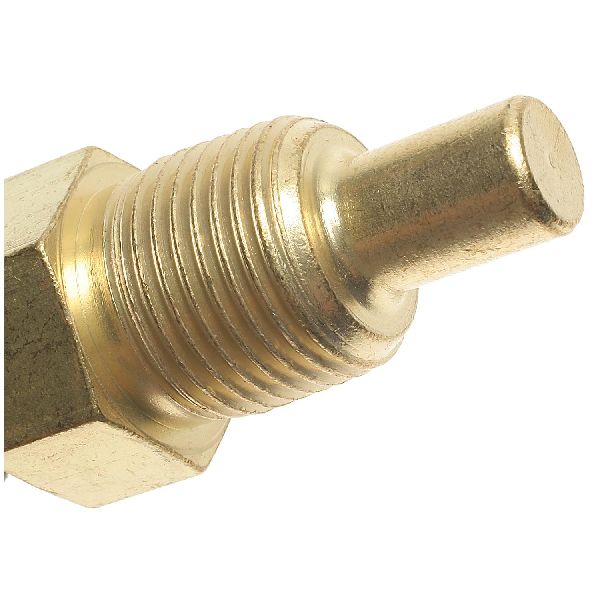
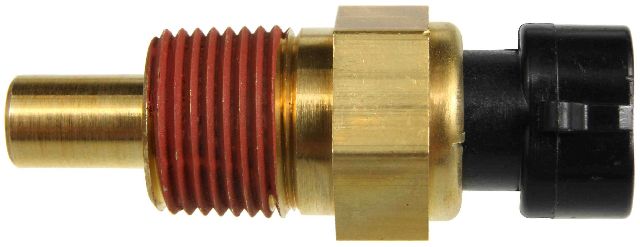
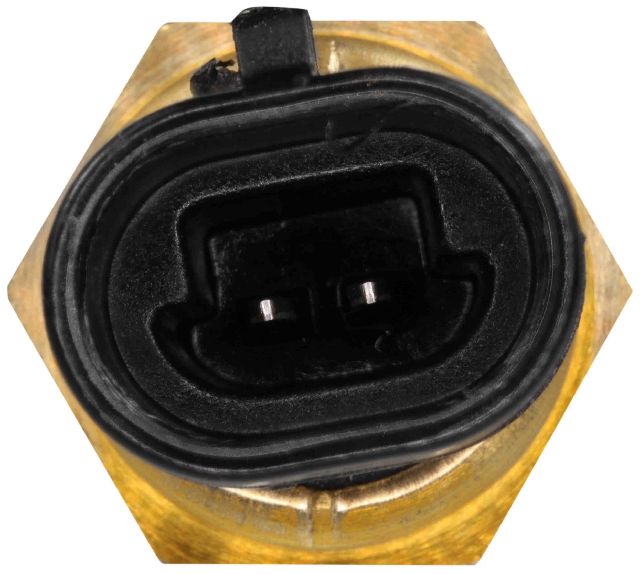
On the 1.8L and 2.0L engines used in the J2000, the Engine Coolant Temperature sensor for the computer is typically located on or near the thermostat housing, where the upper radiator hose connects to the engine. It will be a small, brass-colored sensor with a two-wire electrical connector.
Can I replace this sensor myself?
Yes, this is a very DIY-friendly job for a home mechanic with basic tools. The sensor is usually easy to access. The main steps involve letting the engine cool completely, partially draining the coolant, unplugging the old sensor, unscrewing it, and then installing the new one. Be prepared for some coolant to spill when you remove the old sensor.
What happens if I don't replace a bad ECT sensor?
Driving with a bad sensor is not recommended. It can lead to persistently poor fuel economy, engine flooding, hard starting, and a constant Check Engine light. Over time, running too rich can damage your spark plugs and potentially the catalytic converter, leading to more expensive repairs.
Does my J2000 have one or two coolant sensors?
It's common for vehicles of this era to have two separate coolant temperature units. One is a two-wire sensor that sends information to the engine computer (this part). The other is a one-wire sender that operates the temperature gauge on your dashboard. Make sure you are replacing the correct one for the symptoms you are experiencing. A bad ECT sensor affects engine performance, while a bad sender affects the gauge reading.
Technical Specifications
OEM Part Numbers: ACDelco 213-52 GM 10045847
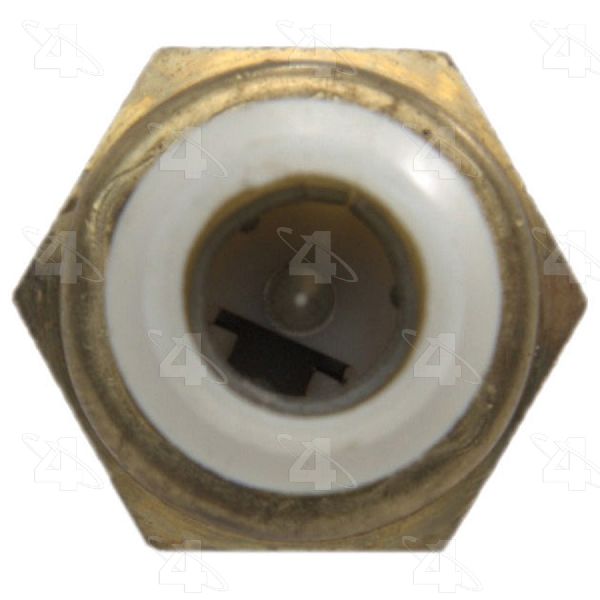
Thread Size: 3/8" - 18 NPTF. Connector: 2-Blade Terminal. The sensor is a thermistor, meaning its resistance changes with temperature. At around 68°F (20°C), the resistance should be approximately 3520 ohms. At boiling point 212°F (100°C), it should be around 177 ohms.
We Have This Part in Stock


The information in this article is provided for general reference and educational purposes only. Vehicle specifications, procedures, and part compatibility can vary by production date, trim level, and region. Always consult your vehicle's factory service manual and verify part numbers before purchasing or performing repairs. Safety-critical components such as airbags, seat belts, and braking systems should be installed by a qualified professional.
- Pontiac J2000: