

1982-1983 Pontiac J2000 Coolant Temperature Sensor Guide
A failing coolant temperature sensor can cause poor fuel economy and rough running in your J2000; here's how to fix it.
- A bad ECT sensor is a common cause of poor fuel economy, hard starting, and a Check Engine Light on the 1982-83 J2000.
- This vehicle uses the OBD-I system; look for codes 14 or 15 by counting Check Engine light flashes.
- Replacement is a simple, low-cost DIY job that takes less than an hour with basic tools.
- New aftermarket sensors are the most reliable and cost-effective option, as new OEM parts are unavailable.
Is Your J2000's Coolant Temp Sensor Failing?
A faulty Engine Coolant Temperature (ECT) sensor can cause issues that seem much more severe than they are. Because the sensor's reading directly impacts fuel delivery and timing, a wrong signal can make the engine run poorly. If the sensor tells the computer the engine is cold when it's warm, the computer will supply too much fuel. This leads to poor gas mileage, black smoke from the exhaust, and can foul spark plugs over time. Conversely, if it incorrectly signals that the engine is warm when it's cold, you may experience hard starting, stalling, and rough idling.
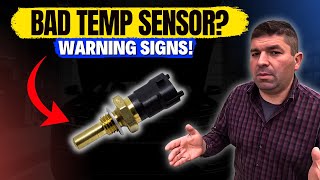
🎬 Watch a breakdown of common symptoms and replacement costs.Understanding OBD-I Trouble Codes
Your 1982-1983 J2000 uses an early diagnostic system called OBD-I, not the modern OBD-II system found in cars from 1996 and newer. A failing ECT sensor can trigger the 'Check Engine' light. On these early GM vehicles, this may set a Code 14 (indicating high temperature) or Code 15 (indicating low temperature). These codes are retrieved by jumping two pins on the diagnostic connector and counting the flashes of the Check Engine light.
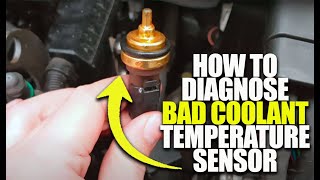
🎬 Learn how to diagnose a bad sensor in this guide.Choosing the Right Aftermarket Sensor
For a vehicle from the early 1980s, finding new original equipment (OEM) parts is nearly impossible. Used OEM sensors from a salvage yard are an option, but they come with age and unknown reliability. A new aftermarket sensor is the most practical and reliable choice for your J2000. The technology for this type of sensor is well-established, and quality aftermarket replacements are designed to meet or exceed original specifications. Given the low cost of the part, a new aftermarket sensor provides the best value and peace of mind.
Part & Labor Cost Estimates
| Part Type | Estimated Cost |
|---|---|
| New Aftermarket Sensor | $18.79 |
| Shop Labor | $55 - $110 |
| Total Estimated Cost | $73.79 - $128.79 |
Pro Tip: Check the Connector
After 40+ years, the plastic electrical connector for the ECT sensor can become brittle and may break during replacement. It's a good idea to inspect the connector and be prepared to replace it with a new pigtail if needed. These are readily available from parts suppliers.
Frequently Asked Questions (FAQ)
Where is the ECT sensor located on a 1982-1983 J2000?
On the 1.8L and 2.0L engines used in the J2000, the ECT sensor for the computer is typically a two-wire sensor located on or near the thermostat housing, where the upper radiator hose connects to the engine. Be careful not to confuse it with the single-wire sender for the dashboard temperature gauge.
Can I replace this sensor myself?
Yes, this is a very DIY-friendly job. The sensor is usually easy to access and requires basic hand tools. You will lose a small amount of coolant when you remove the old sensor, so have a catch pan ready and be prepared to top off the coolant after installation.
What are the OBD-I codes for a bad coolant sensor?
For early GM vehicles like the J2000, a faulty coolant sensor circuit will typically trigger a Code 14 (low resistance/high temp indicated) or a Code 15 (high resistance/low temp indicated).
Is there a recall on the J2000 for the coolant sensor?
No, there are no specific recalls on the 1982-1983 Pontiac J2000 for the coolant temperature sensor. A recall in 1987 for 1983-84 J-body cars was related to a front seat anchor. The NHTSA database shows no actions related to this component.
Helpful Videos
Technical Specifications
The sensor for the ECM is a two-wire thermistor that changes resistance based on coolant temperature. It is distinct from the single-wire sender used for the dashboard temperature gauge.

The information in this article is provided for general reference and educational purposes only. Vehicle specifications, procedures, and part compatibility can vary by production date, trim level, and region. Always consult your vehicle's factory service manual and verify part numbers before purchasing or performing repairs. Safety-critical components such as airbags, seat belts, and braking systems should be installed by a qualified professional.
- Pontiac J2000: